
Last updated October 15, 2026
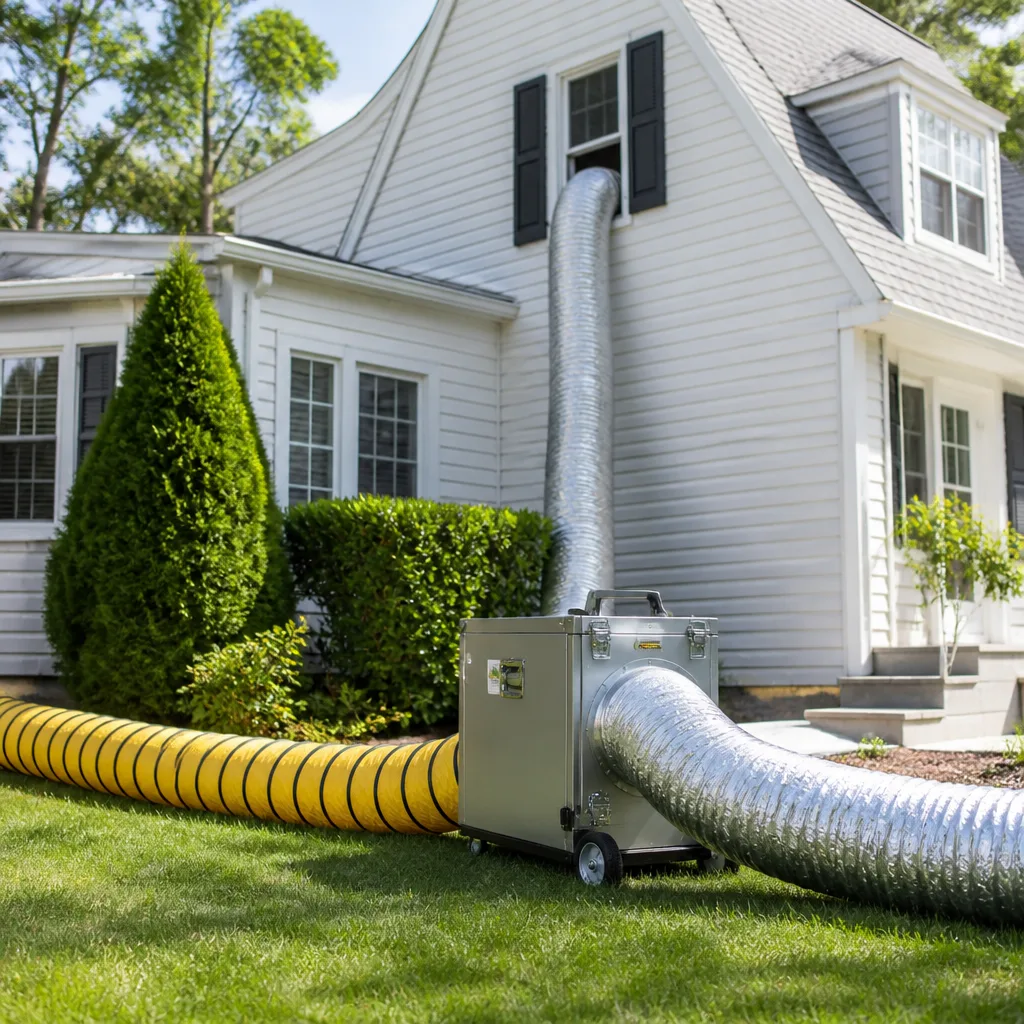 Whole-home duct cleaning
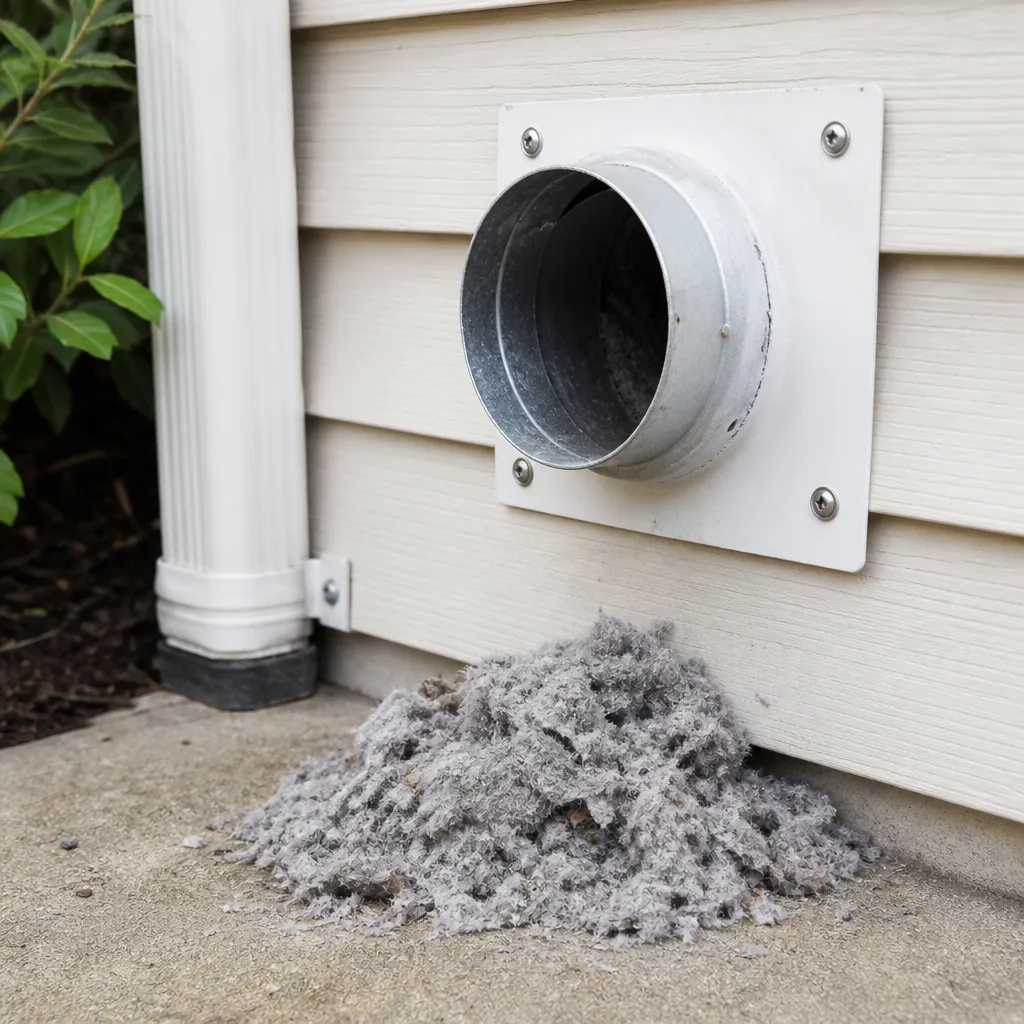 Dryer vent cleaning
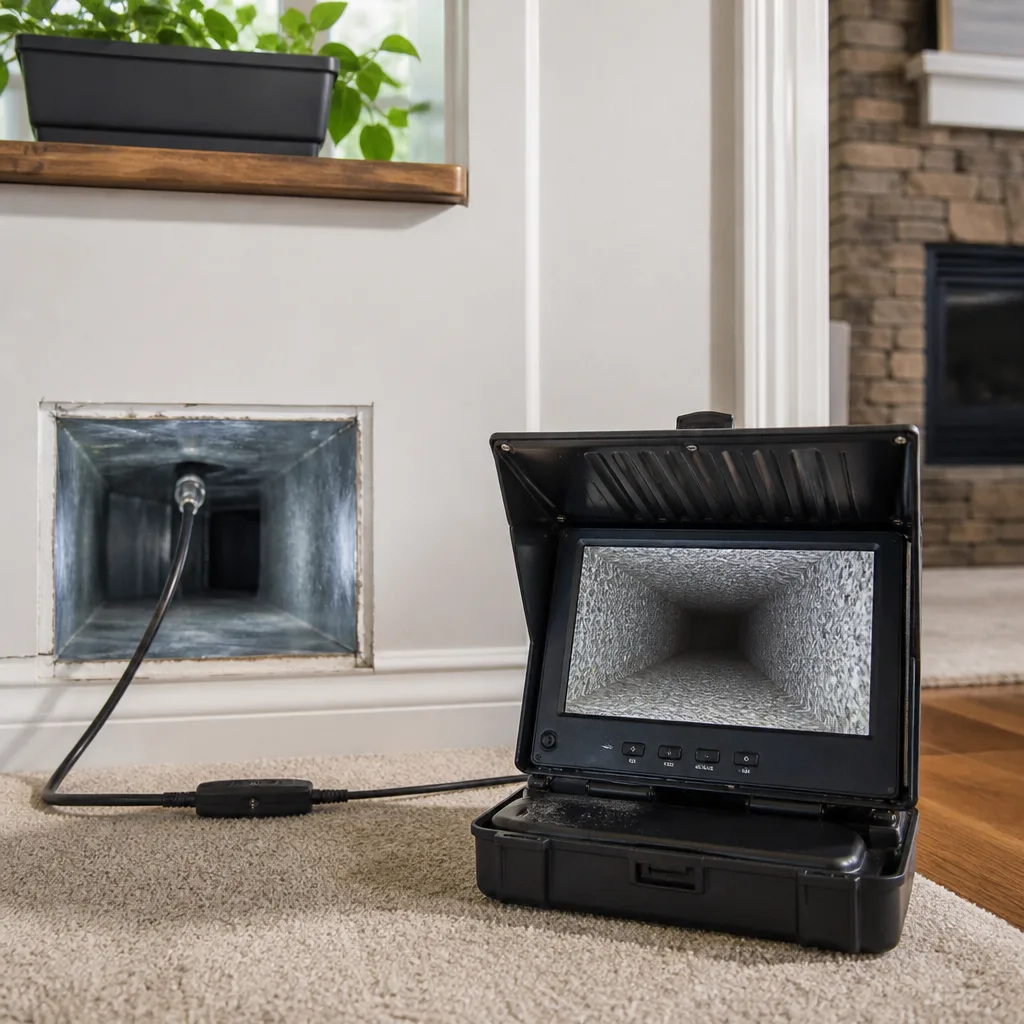 Camera inspection
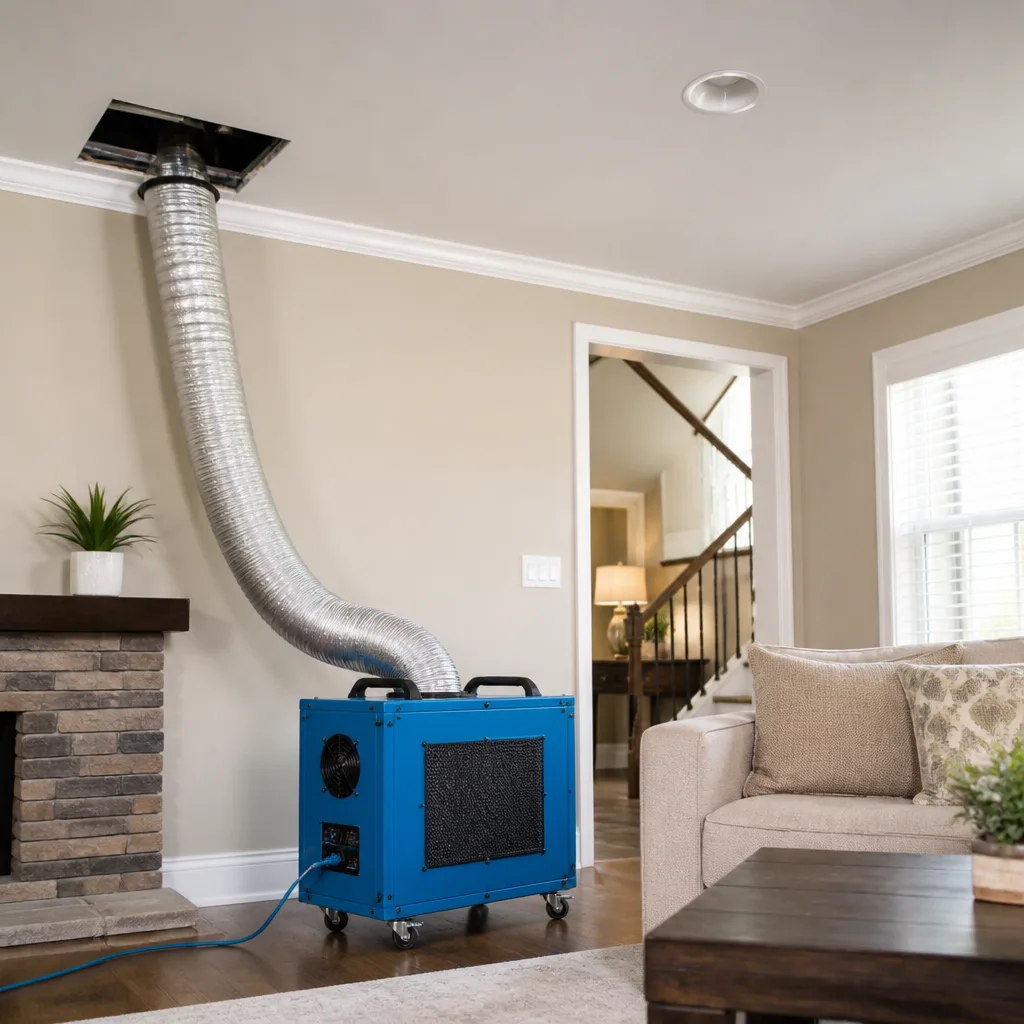 Sanitizing & deodorizing
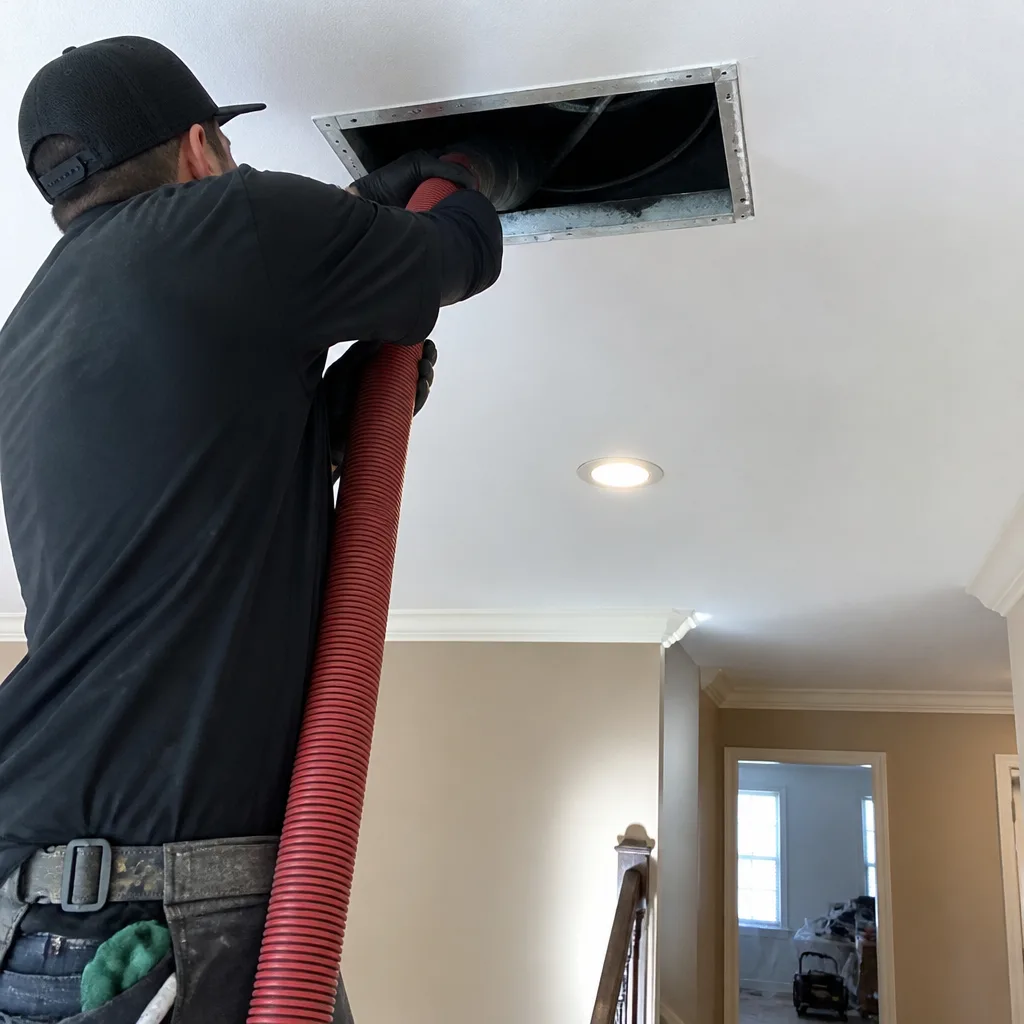
Whole-system duct and dryer vent check with before-and-after photos - you see exactly what came out of your vents
That "$99 whole-house special" is a bait ad - the real number appears once they are in your hallway, or the "clean" is a shop-vac at the register. We photograph the inside of your ducts before and after instead.
Air Duct Cleaning Permits, Codes & Inspections in CA: What You Need to Know
Here’s a sentence most Orange County homeowners have never heard: the permit status of your ductwork can surface during escrow and quietly derail a home sale. Not because of anything you did, but because a well-meaning technician “fixed” a disconnected duct section without paperwork three years ago. California draws a bright line between cleaning a duct and modifying it, and that line is where permits begin. Our Complete Guide to Air Duct Cleaning in Orange County walks through exactly where that boundary sits, what Title 24 says about duct sealing, and how to protect yourself before anyone sends a camera into your vents.
Quick Answer
Air duct cleaning itself does not require a permit anywhere in California, including Orange County. The moment a technician cuts into ductwork, replaces a section, reseals a joint, or installs equipment like UV lights inside your HVAC system, you have likely crossed into permit territory governed by California Mechanical Code and Title 24 energy standards. Most cleaning-only jobs stay safely on the no-permit side of that line, but the distinction matters more than most homeowners realize.
Styles & brands we work with
Table of Contents
- The Legal Line: Cleaning vs. Modification Under California Code
- What Title 24 Says About Duct Sealing and Why It Matters
- Orange County Jurisdictions: How Local Enforcement Varies
- When a C-20 HVAC Contractor Must Be Involved
- Home Sellers in Orange County: Permit History and Escrow Surprises
- How to Ask a Contractor to Document Their Scope of Work
- What Permits and Inspections Actually Cost in Southern California
- Common Mistakes to Avoid
The Legal Line: Cleaning vs. Modification Under California Code
California Mechanical Code (CMC), which adopts and amends the Uniform Mechanical Code, draws a practical distinction between maintenance and construction. Cleaning falls under maintenance. Brushing, vacuuming, air-whipping, and sanitizing the interior of existing ducts does not change the system’s structure, routing, or performance characteristics. No permit is required for any of it.
Modification is different. If a technician removes a section of duct to access a blockage and then reinstalls it, that is arguably a repair. If they cut a new access panel into the plenum, that is a modification. If they replace a crushed flex-duct run, that is new work. Under CMC Section 103.0, mechanical work that alters, extends, or repairs a system requires a permit from the local building department before the work begins.
We see the confusion constantly in our own service area. A homeowner in Mission Viejo calls about a disconnected duct in the attic. The duct separated at a joint, probably years ago, and the homeowners just discovered why one bedroom never cools properly. Cleaning that duct is fine without a permit. But reconnecting and resealing that joint? That’s mechanical repair. The proper path is a licensed C-20 contractor pulling a permit for the repair, doing the work, and getting it inspected. Skipping that step saves a few hundred dollars today and creates a disclosure problem tomorrow.
Here is the practical framework we use to explain the difference:
- No permit needed: source removal cleaning, negative air vacuuming, agitation brushing, antimicrobial fogging of existing interior surfaces, camera inspection, airflow testing.
- Permit typically required: replacing any duct section, adding a new supply or return run, modifying the plenum, sealing ducts with mastic or tape beyond minor maintenance touch-ups, installing UV lights, electrostatic filters, or in-line booster fans.
- Gray zone worth asking about: reconnecting a separated duct joint, sealing visible gaps at register boxes, repairing a crushed flex run. Different jurisdictions in Orange County interpret these differently, which we cover below.
The key point: if an air duct cleaning technician says they need to “fix something” while they’re inside your system, stop and ask whether that fix requires a permit. The answer should be clear and immediate. If it’s vague, you need a second opinion from a licensed HVAC contractor.
What Title 24 Says About Duct Sealing and Why It Matters
California’s Title 24, Part 6, sets energy efficiency standards for buildings, including strict requirements for duct leakage. When new HVAC systems are installed or significant duct modifications occur, Title 24 requires duct leakage testing and sealing to specific standards. For existing homes, the code becomes relevant whenever a project triggers a permit: a new air conditioner, a furnace replacement, a room addition, or a duct replacement.
Here is the part most homeowners miss: Title 24 compliance is not optional on permitted duct work. If a contractor replaces a duct run under permit in Orange County, that new duct section must be sealed to meet leakage standards, and in some cases the entire system must be tested with a duct blaster. The results go into the permit file. That file follows the property.
What does this mean for air duct cleaning? Nothing, directly. Cleaning does not trigger Title 24 requirements because it does not involve new work. But it gets interesting when cleaning reveals problems. Say a technician finds that the return plenum was never sealed properly at installation, and the system is pulling attic air into the house. Homeowners in Anaheim Hills and Yorba Linda ask us about air duct cleaning warning signs all the time. Sealing that plenum is a repair. Under Title 24, that repair should meet current sealing standards. In many Orange County cities, doing it without a permit is a code violation that gets flagged when the seller orders a pre-sale inspection.
Our advice to homeowners is consistent: let the cleaning technician document what they found, take photos, and mark the locations. Then bring in a licensed C-20 contractor to assess whether the repair is large enough to warrant a permit. Small sealing touch-ups at a register boot are often considered maintenance. Rebuilding a plenum corner or replacing a separated run is not.
The California Energy Commission updates Title 24 every three years. As of the current code cycle, the duct sealing and testing requirements are among the most aggressive in the country. Orange County is in climate zones 6, 8, and 10 depending on how far inland you go, which affects the specific leakage standards that apply to your project. Coastal cities like Newport Beach and Laguna Beach have different requirements than inland cities like Fullerton or Orange.
Orange County Jurisdictions: How Local Enforcement Varies
Orange County is not one building department. It is dozens. Each city runs its own permitting and inspection process, and they do not interpret the California Mechanical Code identically. The county’s Building Division handles unincorporated areas, but if you live in a city like Santa Ana, Irvine, Huntington Beach, or Garden Grove, your local city hall is the authority.
In practical terms, here is what we have observed across our service area over the years:
- City of Irvine: among the stricter jurisdictions for mechanical permits. Inspectors here tend to ask for documentation when a duct repair is discovered during a sale inspection. If a homeowner says “a duct cleaner fixed that last year,” the inspector will likely cite it for correction with a permit.
- City of Santa Ana: older housing stock means more repairs, and the city is pragmatic about small maintenance items. But they are firm on anything that looks like new ductwork installed without a permit.
- Coastal cities (Newport Beach, Laguna Beach, Dana Point): high property values mean buyers are more aggressive about permit history reviews. Duct work that would be ignored in other markets gets scrutinized.
- South County (Mission Viejo, Lake Forest, Rancho Santa Margarita): newer homes with more complex HVAC systems, including multi-zone setups. The complexity increases the chance that a repair touches something that needs inspection.
- North County (Fullerton, Brea, La Habra): some of the oldest duct systems in Orange County, and a lively grey area around what counts as maintenance versus replacement. We always recommend documenting everything.
The safest rule for Orange County homeowners: if the work changes the physical duct system in any way, assume your city wants a permit. Cleaning, inspection, and documentation do not require one. If you’re unsure, call your city’s building department and ask. They would rather answer a question than issue a correction notice later.
When a C-20 HVAC Contractor Must Be Involved
California requires anyone performing HVAC work valued at $500 or more in combined labor and materials to hold a C-20 warm-air heating, ventilating, and air-conditioning contractor’s license from the Contractors State License Board. Air duct cleaning companies in California do not need a C-20 to clean ducts, but they must be properly registered as home improvement contractors or hold a relevant trade license. The distinction matters when a cleaning job becomes a repair job.
Let’s be specific about the scenarios:
- Full duct replacement or significant rerouting: always a C-20 contractor with a permit. No exceptions. This is construction, not cleaning.
- Duct sealing beyond minor touch-ups: if the job involves a duct blaster test and mastic sealing of an entire system, that is HVAC work. C-20 with a permit.
- Installing UV lights, electrostatic filters, or booster fans inside the duct system: these modify the HVAC system. C-20 required, and most Orange County cities require a permit.
- Reconnecting a separated duct or replacing a damaged section: this is the greyest area, but it leans C-20. If the repair involves cutting duct board, flex duct, or sheet metal, call an HVAC contractor, not a cleaning company.
- Cleaning, sanitizing, or camera inspection only: no C-20 required. This is our work at Mortons Air Duct Orange County, and we stay carefully on this side of the line. If our techs find something that needs repair, we document it and recommend a licensed C-20 contractor, because that is the correct path under California law.
Why does this matter beyond the legal question? Because unpermitted HVAC work can void your homeowner’s insurance claim if a system failure causes damage. A tree branch falls on your HVAC unit, your insurance adjuster looks at the system, and finds a repair that was never inspected. Suddenly your claim is complicated. In Orange County, where HVAC systems run hard through long inland summers, this is not a theoretical risk.
Home Sellers in Orange County: Permit History and Escrow Surprises
Here is how a problem typically surfaces during an Orange County home sale. The buyer orders a home inspection. The inspector goes into the attic, looks at the HVAC system, and finds signs of recent duct work: new mastic, replaced flex runs, an access panel that doesn’t match the rest of the plenum. The inspector writes it up as “duct modifications observed – verify permits.” Then the buyer’s agent asks the seller’s agent for the permit history. The seller doesn’t have it because a cleaning company did the fix without pulling a permit three years ago. Now escrow is delayed while everyone figures out what to do.
This happens constantly in competitive Orange County markets where buyers write aggressive offers and inspections are done quickly. The fix usually involves pulling an after-the-fact permit, getting the work inspected and corrected if needed, and sometimes paying a fine that runs double the standard permit fee. The delay alone can cost a seller weeks.
What should sellers do? If you have had any duct repair work done during your ownership, get your permit history in order before listing. Call your city’s building department and ask what is on file. If unpermitted work exists, talk to a licensed C-20 contractor about the after-the-fact permit path. It costs money, but far less than it costs when the issue appears during escrow under a buyer’s deadline pressure.
For buyers, add one question to your due diligence list: has any duct modification been done on this house, and if so, where are the permits? If the answer is “I don’t know,” the inspector should look more closely. And if you’re buying a flipped house in Orange County, pay particular attention. Flips with new HVAC duct runs are prime locations for unpermitted work.
How to Ask a Contractor to Document Their Scope of Work
If you are hiring any company to work in your ducts in Orange County, you want a written scope of work that clearly describes what they will and will not do. This protects you on both sides of the permit question. Here is exactly how to ask:
- Before work begins: “Will this job involve any modification, repair, or replacement of ductwork, or is it cleaning only?” Get the answer in writing on the work order.
- Ask for clarity on findings: “If you find something broken while cleaning, what happens?” The answer should be: we stop, we document it, we show you photos, and we recommend a licensed contractor if repair is needed. Any company that says “we’ll just fix it while we’re in there” is inviting a permit problem into your home.
- Request photo documentation: before and after photos of the duct interior, any damage found, and any areas accessed. A company that does this as standard practice, as we do at Mortons Air Duct Orange County, gives you a record that stands up if questions arise later.
- Ask about registration and insurance: a legitimate cleaning company in Orange County should be happy to provide their contractor registration number and insurance certificate. If the company hesitates, that is your answer.
- Keep the work order with the house paperwork: if you sell, that clean scope-of-work document is exactly what a buyer’s agent wants to see when the inspector asks about duct work. It shows the work was cleaning, not modification.
We provide a written price before any work starts, and our techs carry photo equipment from Rotobrush and Nikro that documents exactly what they found and what they did. That documentation is part of the job, not an add-on. When one of our techs finds a separated duct in an attic in Orange County, they photograph it, mark it on the work order, and recommend a licensed C-20 contractor. We don’t repair it ourselves, because the moment we touch that duct with a wrench, we’ve crossed the line from cleaning to mechanical repair without the license for that work.
What Permits and Inspections Actually Cost in Southern California
Permit costs are not mysterious, and they are not expensive relative to the problems they prevent. Here are realistic ranges based on current fee schedules across Orange County cities:
- Mechanical permit for a minor duct repair (reconnect, small seal): $80 to $250 depending on the city, including the basic inspection fee.
- Mechanical permit for a moderate duct replacement (one or two runs): $150 to $400.
- Mechanical permit for a full duct system replacement: $300 to $700, sometimes more if plan review is required.
- After-the-fact permit (penalty processing): typically double the standard fee, plus the cost of correcting anything that doesn’t meet current code. In Orange County, we’ve seen after-the-fact duct permits run $500 to $1,200 all-in.
- Duct leakage testing (when required by Title 24): $300 to $600 for a standard single-family home, performed by an HERS rater or certified technician.
- Air duct cleaning itself: no permit, no inspection, no government involvement of any kind. In Orange County, whole-house cleaning typically runs $450 to $900 depending on system size, with dryer vent cleaning adding a modest amount.
The math is straightforward. A cleaning-only job has zero permit costs. A small permitted repair might add $200 in fees and a couple of weeks for the inspection cycle. An unpermitted repair discovered during a sale can cost $1,000 or more and delay closing by weeks. In Orange County’s fast-moving real estate market, that delay can mean a buyer walks. The cheap route is rarely cheap by the time it matters.
We tell every Orange County homeowner the same thing: cleaning is safe, documented, and permit-free. Repairs belong with a licensed C-20 contractor who pulls the right permit. When we see something that needs repair, we give you enough documentation that the licensed contractor you call understands the problem before they even arrive.
Common Mistakes to Avoid
- Letting a cleaning tech “fix” a duct in the same visit. If the company isn’t a licensed C-20 HVAC contractor, that fix is unpermitted mechanical work in Orange County, and it can become your disclosure problem when you sell.
- Assuming a permit is unnecessary because the duct is small. California Mechanical Code doesn’t care about the size of the repair. A one-foot section of replaced flex duct is still a modification. In cities like Irvine or Newport Beach, inspectors treat any new duct material as new work.
- Thinking the buyer won’t find out. Orange County home inspectors know what fresh mastic looks like and what an access panel added after construction looks like. They write it up. Then the question becomes yours to answer.
- Paying for unpermitted work and not keeping records. If a previous owner did the work, you may not be responsible, but you still need to disclose what you know. Documentation of a cleaning-only scope protects you.
- Choosing a contractor on price alone for duct repairs. A licensed C-20 contractor charging a fair market rate for a permitted repair is not overpriced. An unlicensed handyman charging half is under-delivering, and the cost shows up later.
- Failing to call the building department when unsure. Every city in Orange County answers permit questions by phone. The call takes five minutes and gives you an answer on the record. Guessing is never the right move.
- Skipping duct cleaning because you think it triggers permits. Cleaning is explicitly permit-free. You can have your entire system cleaned, photographed, and documented with zero government involvement. Clean ducts improve airflow and reduce the load on your HVAC system, which matters in Orange County’s long cooling season.
See the difference
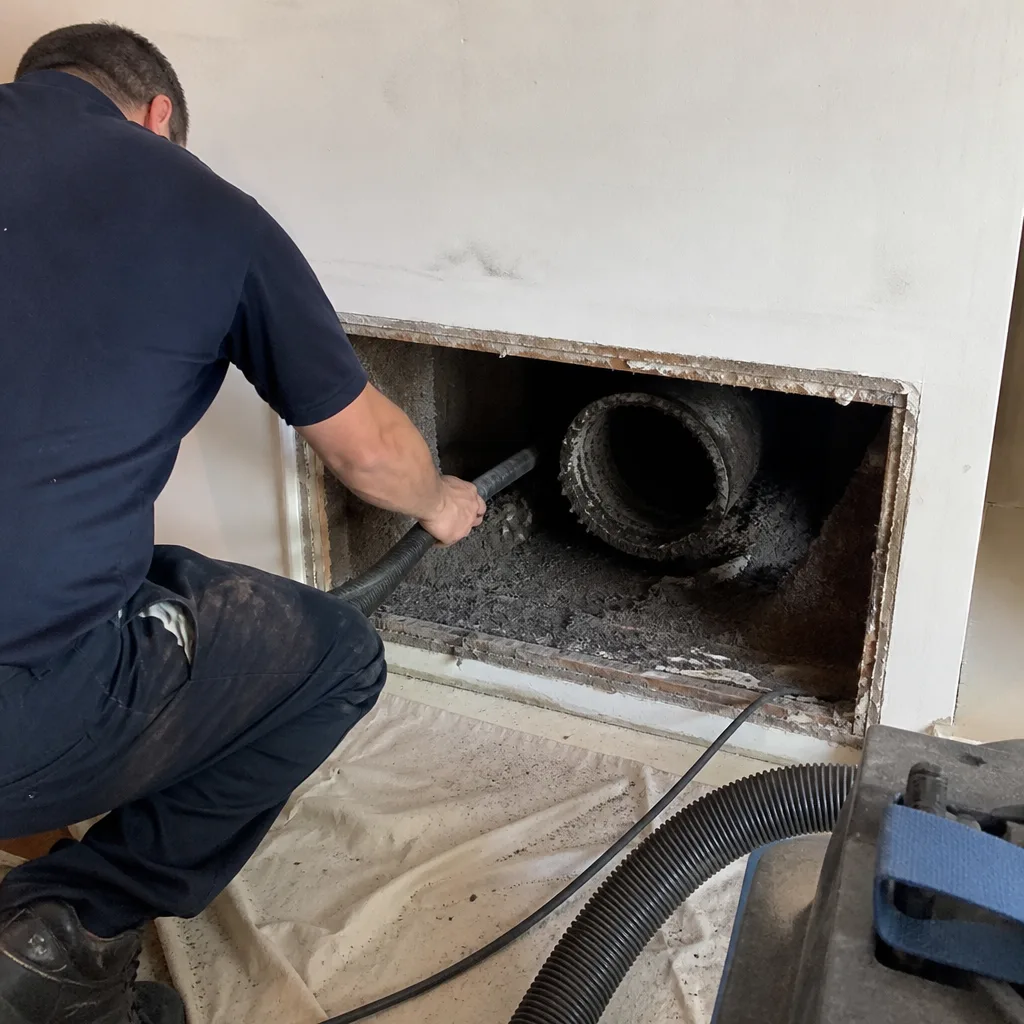 Before
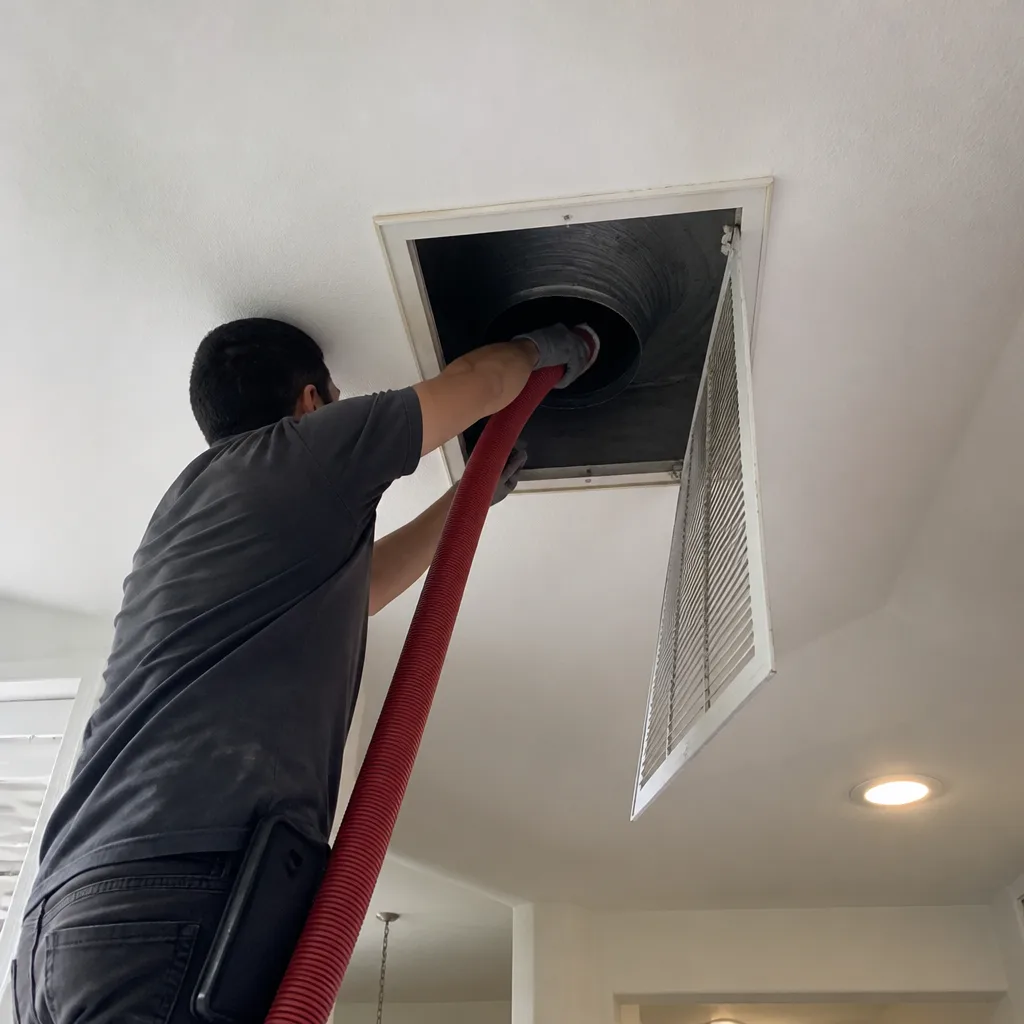 After
After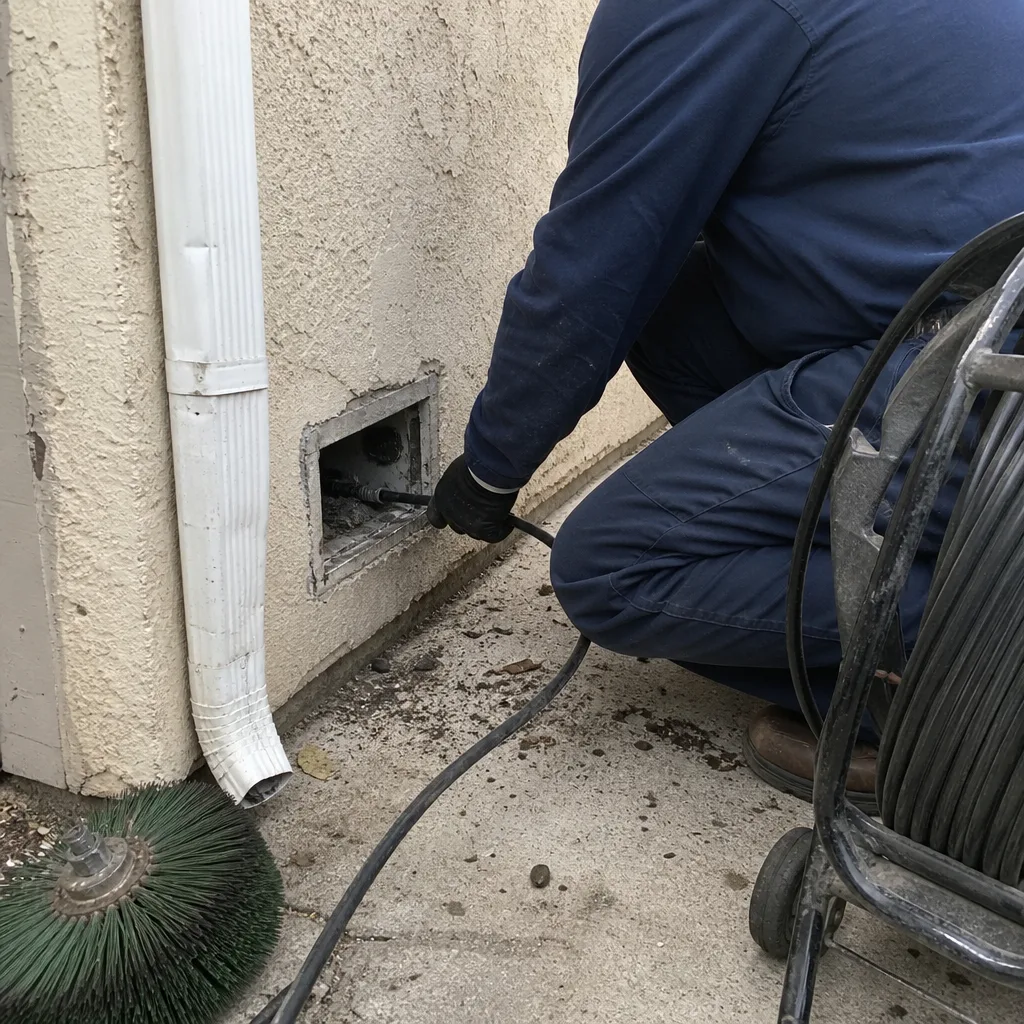 Before
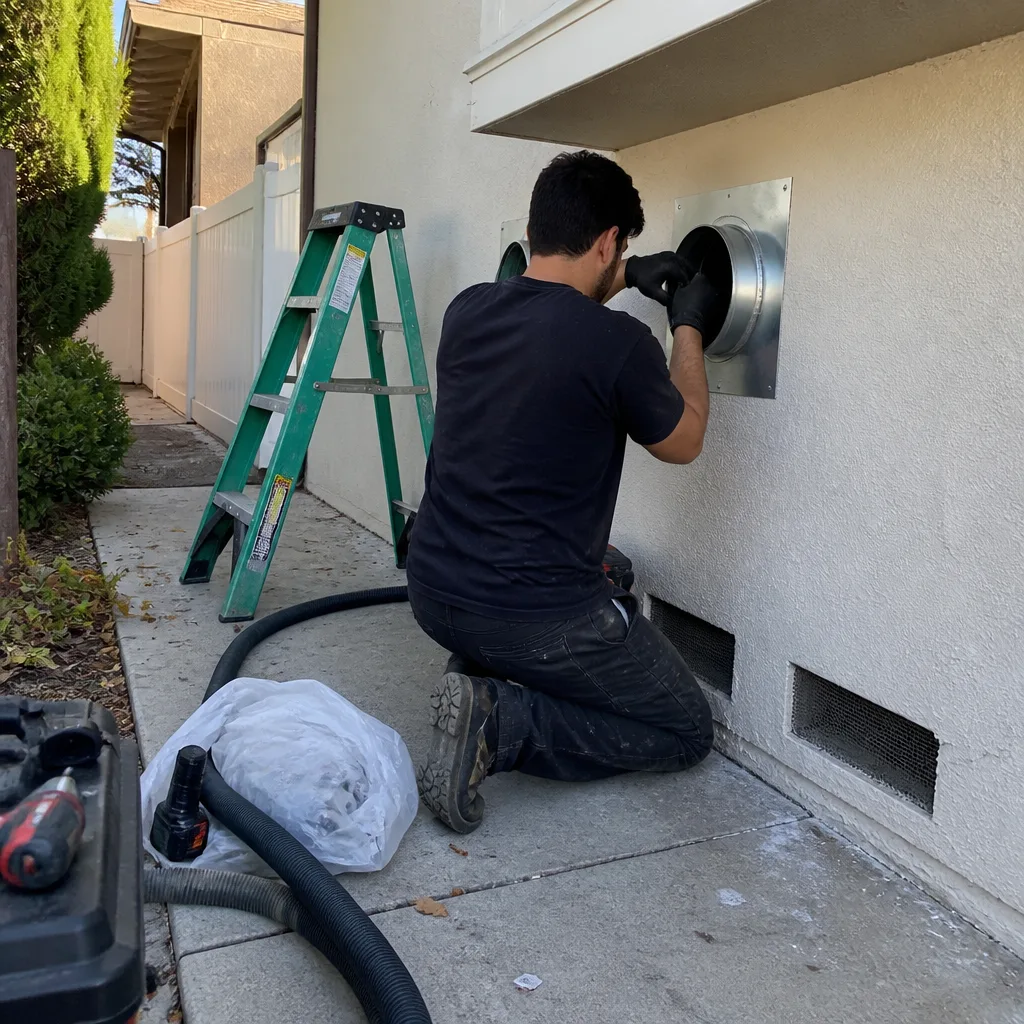 After
After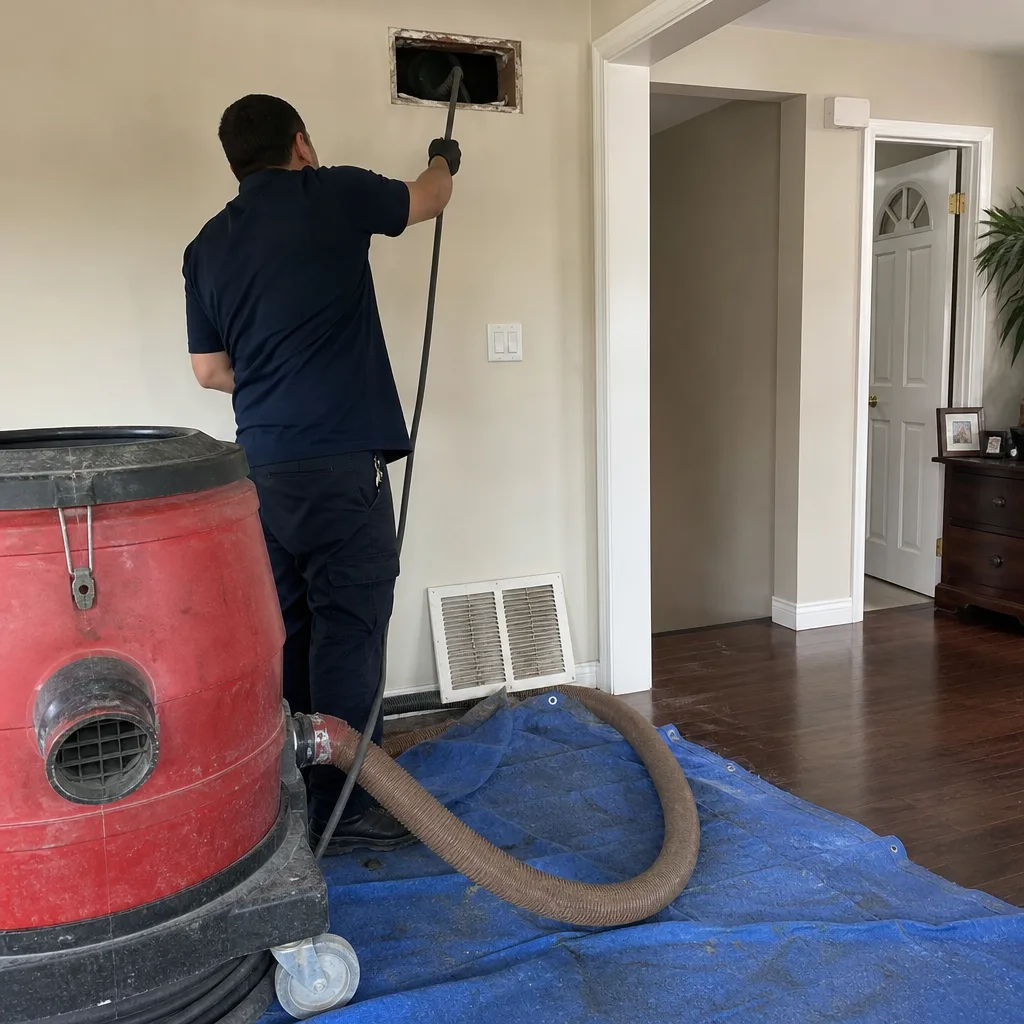 Before
 After
AfterWhen to Call a Professional
If your ducts have visible damage, disconnected sections in the attic, or evidence of pests inside the system, call a licensed C-20 HVAC contractor to assess the repair path properly. If your ducts need air duct cleaning services, that is exactly what we do. Mortons Air Duct Orange County offers free estimates throughout Orange County, and our techs use professional equipment from brands like Rotobrush, Nikro, and Abatement Technologies to document every step of the job. We’ll tell you in writing whether anything we see requires a licensed HVAC contractor, and we’ll give you the photos to take that conversation forward. Call (831) 244-9367 for an estimate, and a live person will answer, any hour, any day.
Frequently Asked Questions
No. Air duct cleaning that involves only brushing, vacuuming, sanitizing, and camera inspection of existing ducts requires no permit anywhere in California, including Orange County. Permits enter the picture only when ductwork is modified, repaired, replaced, or sealed beyond minor maintenance.
Replacing any duct section, modifying the plenum, adding new runs, installing UV lights or in-line equipment, and sealing ducts as a standalone repair all typically require a mechanical permit in Orange County cities. This varies slightly by jurisdiction, so call your city’s building department when the line isn’t clear. If you need a recommendation for a licensed C-20 contractor, call us at (831) 244-9367 and we’ll point you in the right direction.
No. Title 24 energy standards apply to new construction, alterations, and permitted repairs. Cleaning-only work does not trigger Title 24 requirements. However, if a permitted repair is needed, the new duct section must meet Title 24 sealing standards, which is one reason repairs should go through a licensed contractor who understands the code.
The buyer’s inspector may flag the work, and escrow can stall while permits are retroactively pulled and the work is inspected and corrected. In Orange County, after-the-fact permits typically cost double the standard fee plus any correction costs, and delays can stretch for weeks. Getting your permit history reviewed before listing is cheaper and faster.
Ask for their contractor registration number and insurance certificate. Cleaning companies need proper registration; repair work needs a C-20 license. A company that is transparent about these documents and provides a written scope of work before starting is operating the right way.
Whole-house air duct cleaning in Orange County typically runs $450 to $900 depending on home size and system complexity, with no permit required. Dryer vent cleaning is less. For an exact quote from Mortons Air Duct Orange County, call (831) 244-9367 and we’ll give you a written price before any work starts.
The Bottom Line
Air duct cleaning in California requires no permit. Repairs, modifications, and replacements do. The line between those two categories is clear under the California Mechanical Code, and it matters in Orange County more than in most places because buyers and inspectors here actively review permit history during escrow. When you hire a cleaning company, insist on documentation that shows exactly what was done and that no modification occurred. When you need a repair, insist on a licensed C-20 contractor who pulls the appropriate permit. The diligence costs time, but it buys you a clean permit history, a home sale without surprises, and peace of mind you can learn more about in our more guides & resources. At Mortons Air Duct Orange County, we stay on the cleaning side of that line and document everything, so your records are clean when you need them to be.
Written by Paul Adeyemi, Owner at Mortons Air Duct Orange County, serving Orange County since 2005.