
Last updated October 15, 2026
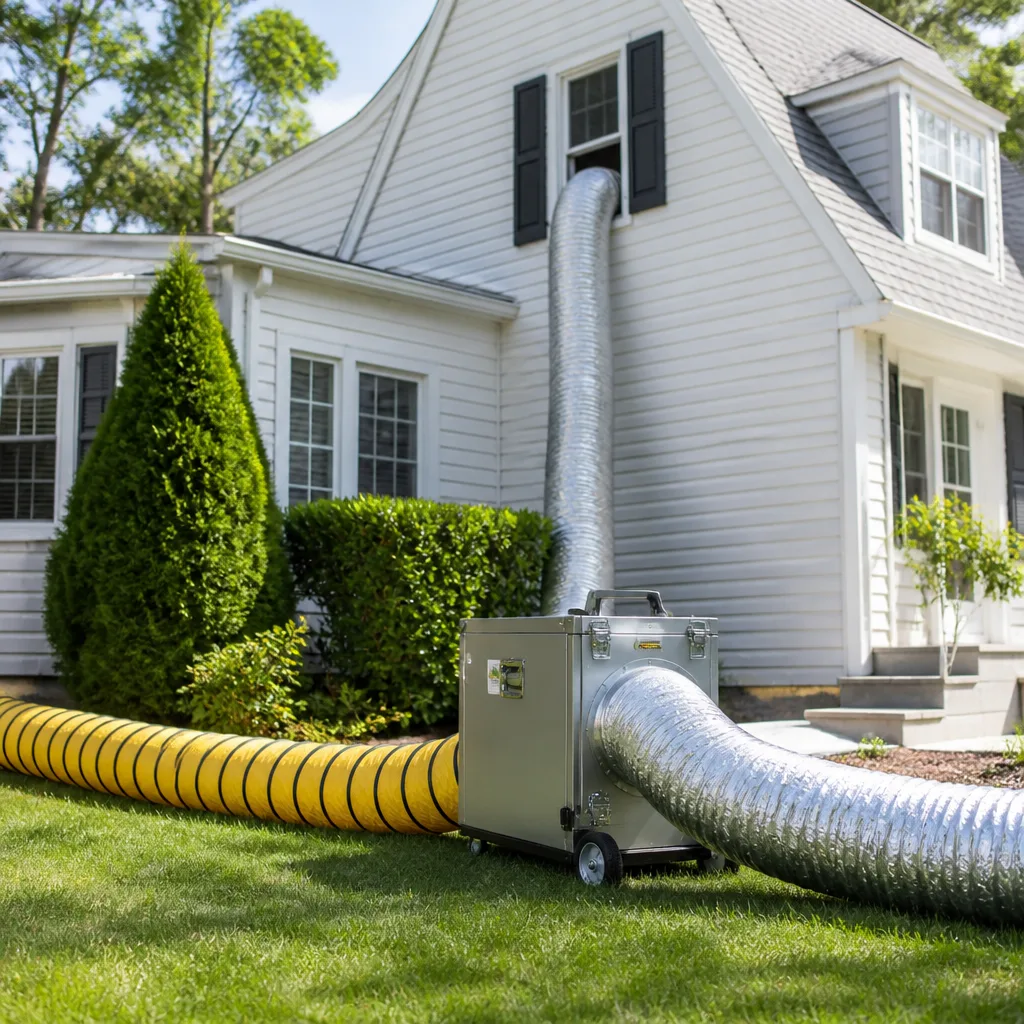 Whole-home duct cleaning
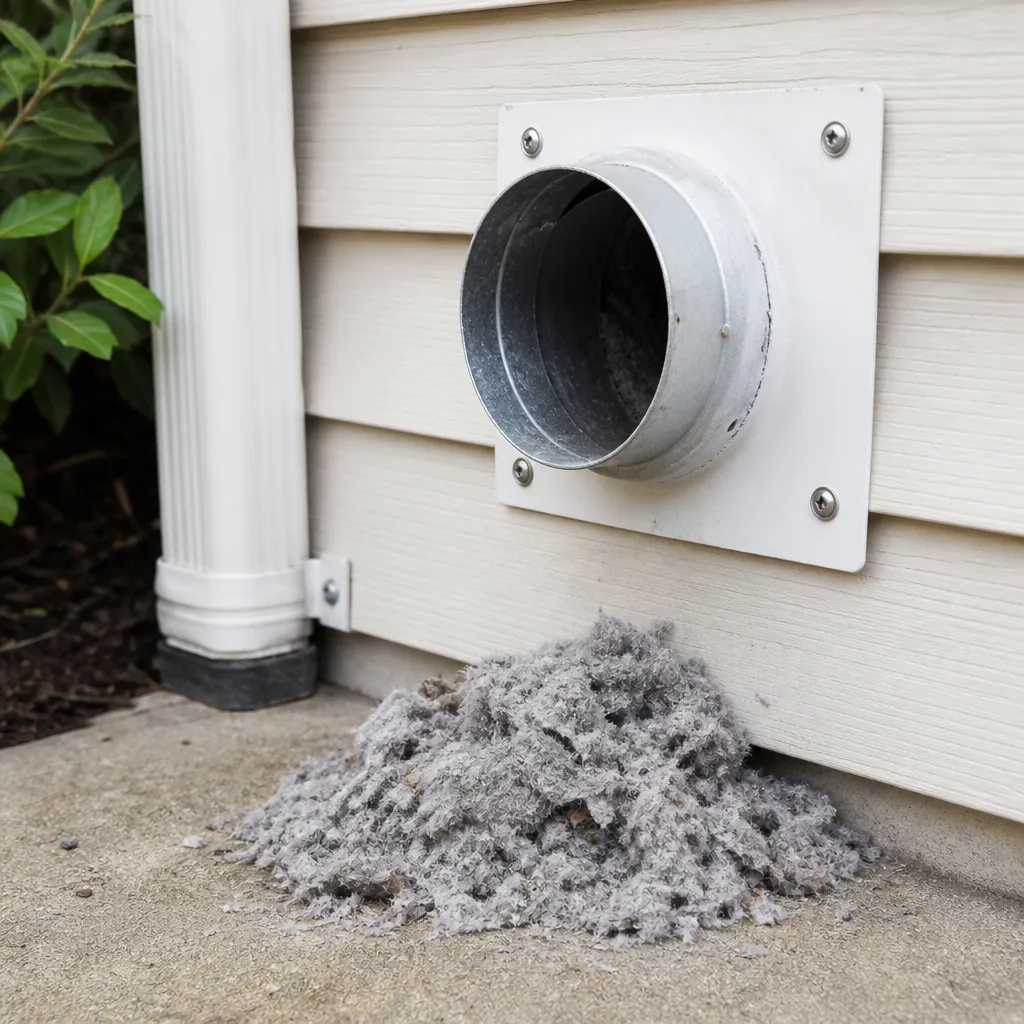 Dryer vent cleaning
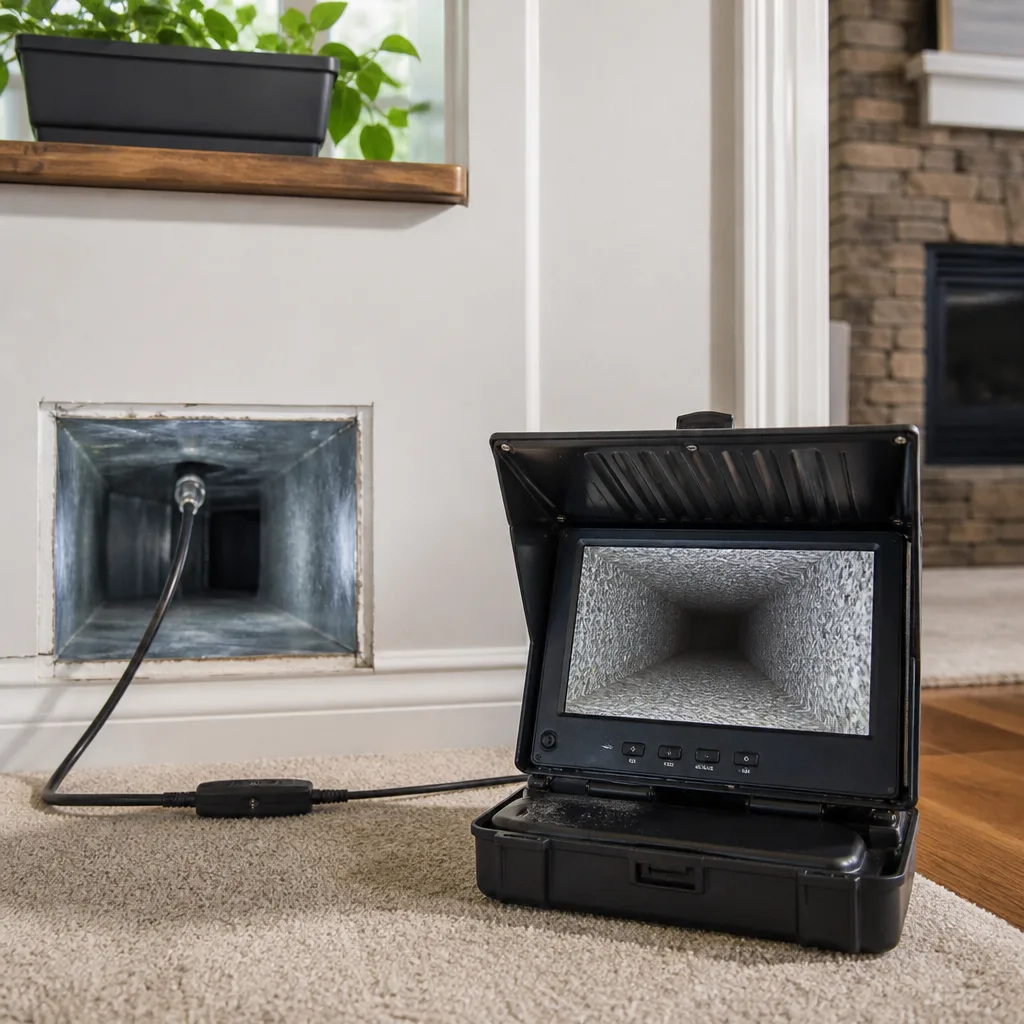 Camera inspection
 Sanitizing & deodorizing
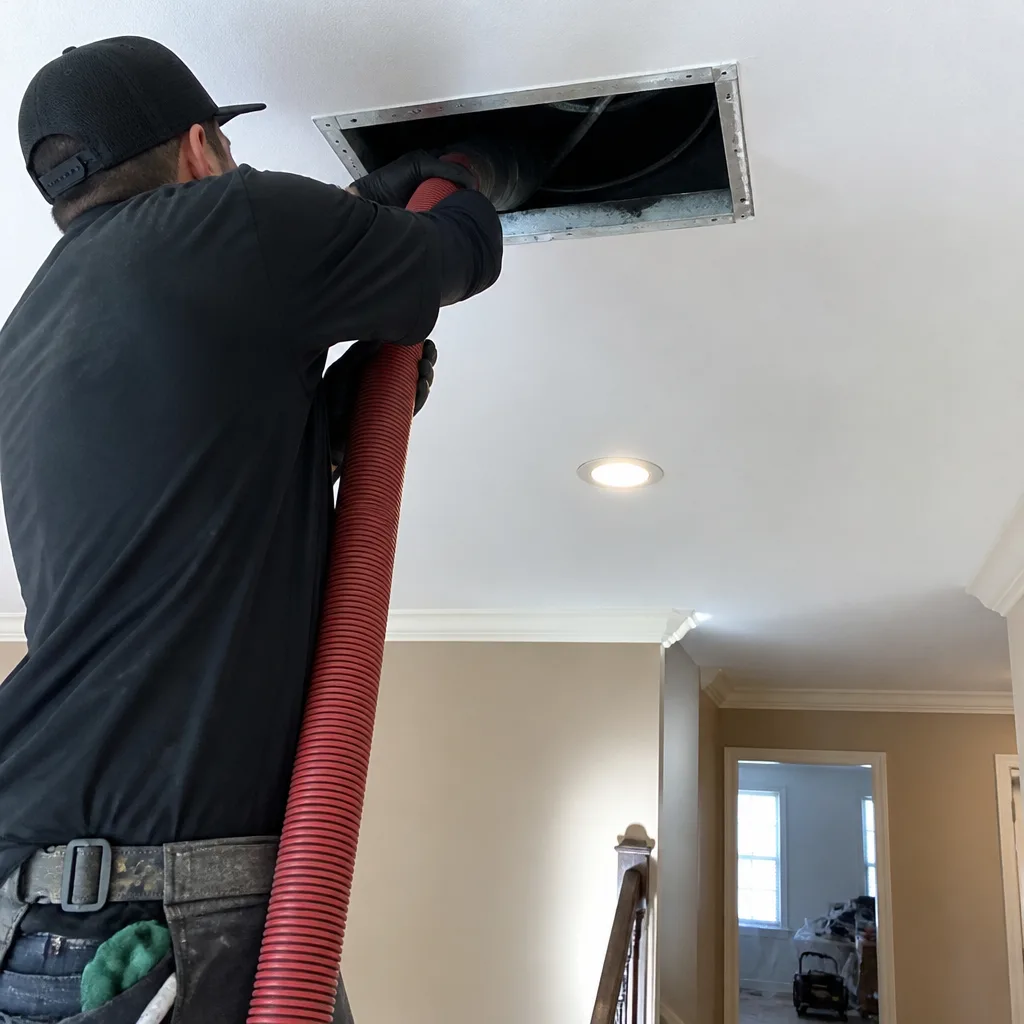
Whole-system duct and dryer vent check with before-and-after photos - you see exactly what came out of your vents
That "$99 whole-house special" is a bait ad - the real number appears once they are in your hallway, or the "clean" is a shop-vac at the register. We photograph the inside of your ducts before and after instead.
Air Duct Cleaning Warning Signs: A Orange County Homeowner’s Reference Guide
That musty smell you only notice for the first 60 seconds after the AC kicks on? Your nose is detecting something real. It’s just that your brain files it under “old house smell” and moves on. The same goes for the thin layer of dust that reappears on the TV stand two days after you wiped it down, or the bedroom that always runs five degrees warmer than the hallway. None of these feel like emergencies. That’s exactly the problem. Ducts rarely fail spectacularly in Orange County. They give you weeks of low-grade signals that look like unrelated household annoyances, and most homeowners have learned to tune them out. This guide will teach you to recognize those signals before a $200 our Air Duct Cleaning services becomes a $900 repair, and to know which ones point specifically to your ducts rather than your AC unit, your filter, or your house itself.
Quick Answer
The most reliable warning signs of dirty air ducts in Orange County are a musty or dusty odor that appears only when the HVAC system starts, visible dust settling on surfaces within 48 hours of cleaning, inconsistent room temperatures with no obvious cause, and a low whistling or rushing sound from vents that wasn’t there before. When two or more of these signs appear together, it’s time for an inspection. A professional air duct cleaning in Orange County typically costs between $350 and $600 for a whole-home system, and the best providers include a written price before work starts.
Styles & brands we work with
Table of Contents
- The Sensory Warning Signs You’ve Been Ignoring
- Duct Problems vs. HVAC Problems: How to Tell the Difference
- Urgent Warning Signs for Households with Infants and Immunocompromised Family Members
- Mold in Ducts: What It Looks Like in Southern California’s Climate
- The Homeowner Triage Checklist: “I Noticed X. Now What?”
- Common Mistakes to Avoid
- When to Call a Professional
- Frequently Asked Questions
The Sensory Warning Signs You’ve Been Ignoring
Duct problems announce themselves through four senses: smell, sight, touch, and hearing. The trick is that each signal, on its own, is easy to dismiss. Together, they form a pattern that’s hard to argue with. Here’s what to pay attention to in your Orange County home.
The 60-Second Startup Odor
When your AC or furnace kicks on, pay attention to the first minute of airflow. A faint musty, stale, or dusty smell that fades after 60 seconds is one of the most common early signs of buildup inside the ductwork. Here’s why: particles settle inside ducts while the system is off. When the blower starts, the first rush of air carries those particles into your living space. After a minute, the air flowing through has fewer settled particles to pick up, and the smell fades. It’s not your imagination. It’s accumulation.
This pattern is especially noticeable in Orange County homes where HVAC systems run for long stretches from June through October. The constant cooling cycles pull air through the same ductwork daily, and anything clinging to the duct walls becomes part of the air you’re breathing.
Dust That Returns Within 48 Hours
You clean on Saturday. By Monday evening, there’s a visible film on the dresser, the bookshelf, the TV screen. This is not normal household dust. Normal dust settles slowly, over days or a week. Dust that reappears within two days means the HVAC system is actively distributing particles through the house. Your supply ducts are essentially acting as a dust delivery system.
Run this test: after dusting a dark-colored surface, keep an eye on it for two days with the HVAC running normally. If you can write your name in the film by day two, the ducts are a likely source. In our experience cleaning ducts across Orange County, homes with this symptom usually show significant buildup inside the supply registers, where the conditioned air exits into the room.
Temperature Differences Room to Room
The bedroom at the end of the hall runs warm. The living room stays comfortable. The bathroom, oddly, gets cold. Before blaming the AC unit, check the dampers and vents in those rooms. If vents are open and dampers are in the same position, inconsistent airflow often points to restrictions inside the ducts themselves: buildup narrowing the passage, a collapsed or crushed section, or a disconnected joint.
Orange County homes built in the 1970s and 1980s, which account for a large portion of the housing stock in Anaheim, Garden Grove, and Fullerton, often have flexible ductwork that’s been in place for decades. Flex duct sags with age, and the inner liner can separate, creating pockets where debris collects and airflow drops.
The Sound of Restricted Airflow
A properly sized and clean duct system moves air quietly. You might hear a soft whoosh at the vent if you stand right next to it. What you shouldn’t hear is a whistle, a wheeze, or a high-pitched rush that sounds like air being forced through a narrow gap. That sound means the air is encountering resistance. Typical causes: buildup inside the ducts reducing the effective diameter, a filter that’s overdue for replacement, or vents that are partially blocked by furniture or drapes.
Walk through your home on a quiet evening with the fan set to “On” rather than “Auto.” Stand still in each room for 30 seconds and listen. Note which vents are louder than others. A single noisy vent often points to a local obstruction. Noise from every vent suggests system-wide restriction.
Duct Problems vs. HVAC Problems: How to Tell the Difference
Some warning signs point to the ducts. Others point to the AC unit or furnace itself. Misdiagnosing the source wastes money and doesn’t solve the problem. Here’s how to tell them apart before you call anyone.
Signs That Point Specifically to Ducts
- The problem follows the air, not the equipment. If you smell mustiness only when air is coming out of the vents, that points to the duct interior. If the smell comes from the equipment itself, that’s a different issue.
- Dust appears near vents first. Dirty ducts deposit dust in the room immediately adjacent to the supply registers. You’ll notice heavier dust on surfaces near the vent and progressively less farther away.
- Symptoms are distributed throughout the house. Duct problems rarely affect one room alone. If four of five rooms show the same dust pattern or the same startup odor, the shared duct system is the likely culprit.
- The filter is new and symptoms persist. If you replaced the filter two weeks ago and dust or odor continues, the particles are coming from somewhere downstream of the filter: the coils, the plenum, or the ducts themselves.
Signs That Point to the HVAC Equipment Instead
- Refrigerant issues. Warm air from all vents during cool mode, ice on the refrigerant line, or a hissing from the outdoor unit suggest low refrigerant, not dirty ducts. Duct cleaning won’t fix this.
- Failing blower motor. A grinding, squealing, or rattling noise from the air handler cabinet itself, not from the vents, points to motor bearings or a failing capacitor.
- Blocked condensate drain. Water pooling around the indoor unit, a gurgling sound from the drain pan, or a musty smell that’s strongest near the equipment (not the vents) suggests a clogged condensate line.
- Short cycling. The AC turns on and off every few minutes without completing a cooling cycle. This is usually a thermostat, control board, or compressor issue, not a duct issue.
The honest take: most homes with dirty ducts also have an HVAC system that could use a checkup. They’re related but distinct. At Mortons Air Duct Orange County home, we clean the ductwork itself, but we’ll tell you plainly when a symptom points to the AC unit rather than the ducts, because the wrong service is just an expensive way to learn the right answer.
Urgent Warning Signs for Households with Infants and Immunocompromised Family Members
Here’s something duct cleaning companies rarely say out loud: the particles that settle inside your ducts don’t stay suspended in the air. They drop. That’s physics. And the people who spend the most time nearest the floor are the ones who end up with the highest exposure to whatever those particles are. Crawling infants, toddlers building block towers on the carpet, a family dog stretched out in the hallway: all of them live in the particle zone.
For households with infants, toddlers, pregnant family members, or anyone with a compromised immune system or respiratory condition, certain warning signs deserve more attention than they’d get in a household of healthy adults.
Signs That Warrant Faster Action
- The 60-second startup odor persists for months. An occasional musty smell is one thing. A smell you notice every single time the system starts, week after week, means ongoing biological or particulate buildup. In a household with a newborn, that’s worth addressing sooner rather than later.
- Visible dust appears daily on the floor, not just on elevated surfaces. Dust that collects on hardwood, tile, or carpet within a day of cleaning is at the exact height your child inhabits. The HVAC system is settling particles directly into their breathing zone.
- Family members wake with congestion, dry throat, or sinus irritation that improves after leaving the house for the day. This pattern points to something in the indoor environment, and the HVAC system is the thing that circulates air through the entire volume of the house.
- You can see dust or debris on the vent cover itself. If the supply registers have visible buildup on the louvers, the ducts behind them are almost certainly carrying more of the same. A quick visual check costs nothing.
- Pets are developing skin or coat issues. Dogs and cats are earlier indicators of indoor air quality problems than humans. More dander in the air, more lint from shedding, more particulate blowing through the vents: all of these show up on a pet’s skin and coat before you’ll notice them on your own skin.
For these households, the 365-Day Done Right Promise matters differently. It’s not about getting a re-clean if something goes wrong. It’s about knowing the job gets done thoroughly the first time, so the air your child breathes at floor level is actually cleaner when the crew leaves. That’s the standard every job should meet, and if it doesn’t, the promise is that someone comes back and makes it right.
Mold in Ducts: What It Looks Like in Southern California’s Climate
You’ve probably read about mold in air ducts and pictured black, damp, slimy growth. That image comes from regions with real humidity: the Southeast, the Northeast, anywhere with basements that stay damp year-round. Orange County doesn’t do humidity. We do marine layers, dry Santa Ana winds, and long rainless stretches. So what does mold in ducts look like here?
The Southern California Mold Profile
The honest answer is less likely than you might think. Mold needs three things: an organic food source (dust, skin cells, pet dander), the right temperature range, and sustained moisture. Ducts in Orange County typically lack the third ingredient. The air in our climate is dry enough that condensation inside ductwork is rare.
But it does happen. The scenarios we’ve seen across Orange County include:
- Condensation at the supply register during humid coastal periods. Homes in Huntington Beach, Newport Beach, Costa Mesa, and Seal Beach sometimes see moisture on vent covers during marine layer stretches, especially in rooms with poor air circulation. This moisture can dampen dust buildup at the register and create local mold growth.
- Leaking coil condensation that wicks into the supply plenum. The evaporator coil produces condensate. If the drain backs up or the pan overflows, that water can enter the duct system near the equipment. This creates a moist environment inside the first few feet of the supply ductwork.
- Rare but real: roof or plumbing leaks that reach duct runs. A leak in an attic or wall chase can soak the duct insulation. The outer jacket traps moisture against the inner liner, and mold can grow inside the duct without ever being visible from the outside.
What to Look For
In our climate, the early warning signs of mold-related duct issues are subtle. The startup odor described above may have a distinctly earthy, musty character rather than simple dustiness. You might notice faint discoloration on the wall or ceiling near a supply register in a coastal Orange County home. Black or green spotting on the register itself, particularly during humid months, deserves a closer look.
If you see anything that looks like mold at a vent, don’t disassemble the register yourself in an attempt to get a better look. Disturbing mold releases spores that can spread. Instead, note what you see, where you see it, and when it appears. A professional duct inspection can determine whether the issue is superficial (on the vent cover, easy to clean) or deeper (inside the duct run). At Morton’s, we’ll show you what we find and give you a written price for addressing it before any work begins.
The Homeowner Triage Checklist: “I Noticed X. Now What?”
You’ve noticed something. Here’s a simple, ordered approach to figure out what it means and what to do next, before you call anyone.
Step 1: Confirm the symptom is real.
One dusty afternoon is not a pattern. Spend three to five days paying attention. Note when the smell appears, which rooms gather dust fastest, which vents sound different. Write it down. The note-taking matters because it turns “something feels off” into “here’s what I observed, here’s when, here’s where.” That’s information a technician can actually use.
Step 2: Check the cheapest fixes first.
- Replace the filter. If it’s been more than 90 days, or 30 days for homes with pets, start here. Use a mid-range MERV 8-11 filter from Honeywell. Very high MERV ratings can restrict airflow in older systems.
- Confirm all vents are open. Closed supply registers create pressure imbalances that can cause some rooms to overheat and others to overcool.
- Walk the ducts in the attic, if accessible. Look for obvious disconnections, crushed sections, or sagging flex runs. Don’t climb or reach into anything; a visual check from the ladder is enough.
- Verify the thermostat fan setting. Running the fan on “On” rather than “Auto” changes which rooms get consistent airflow and can reveal which vents move the most air.
Step 3: If the symptom persists, photograph it.
Dust accumulation at 48 hours? Take a photo of the surface you cleaned with the date visible in metadata. A musty startup odor? Note the time of day and which cycle (cooling, heating, or fan-only) triggers it. A noisy vent? Record a short video with your phone from a couple of feet away. These records are useful for the technician and help you track whether the situation is improving or worsening over time.
Step 4: Call for an inspection.
If you’ve replaced the filter and the signs persist, the next step is a professional look. A proper duct inspection involves opening the supply and return registers, examining the interior with a camera, and assessing the blower compartment and coil, as detailed in The Complete Guide to Air Duct Cleaning in Orange County. The answers should determine whether cleaning is warranted or whether the issue is elsewhere. Any company that recommends cleaning before looking is putting the sale before the diagnosis. That’s the opposite of the order it should go in.
Step 5: Use the written quote to plan.
Once you have a recommendation, get the price in writing before any work starts. Whole-home duct cleaning in Orange County typically runs between $350 and $600 depending on the size of the system, the number of returns, and the level of buildup. If the price comes back far below or far above that range, ask why. The answer should be specific: what the technicians will do, what equipment they’ll use, how long it will take, and what you’ll see when they’re done. Door-to-door or deeply discounted offers often create a reason to upsell you once the crew arrives. A written price before the work starts eliminates that.
Common Mistakes to Avoid
- Ignoring the startup odor because it fades. That smell is airborne evidence of what’s inside the ducts. Fading doesn’t mean it left. It means it dispersed into the room. By the time the smell is constant, the buildup is severe.
- “Cleaning” the ducts with a household vacuum. A shop vac reaches the first six inches of the register. Everything beyond it remains untouched. Worse, aggressive probing can damage the duct liner or disconnect a joint, creating a bigger problem.
- Replacing the HVAC system without addressing the ducts. In Orange County, AC replacements run into the thousands. Occasionally, a new system gets connected to old, dirty ductwork, and the homeowner is surprised when the new unit doesn’t solve the air quality issues. If the ducts are 20-plus years old and have never been cleaned, that assessment should be part of the replacement conversation.
- Closing vents in unused rooms to save energy. This increases pressure in the duct system, which can force air through smaller leaks and pull more insulation particles, dust, and debris into the airflow. It also reduces system efficiency. Keep vents open, even in guest rooms.
- Trusting a coupon price without a written breakdown. The classic pattern in this industry: a $99 whole-house special that turns into a $900 invoice once the technician “discovers” mold, pest debris, or “contamination.” Get the full price in writing before the work starts. If the company won’t put it in writing, call a different company.
- Confusing a vent wipe-down with an actual duct cleaning. Cleaning the register covers is cosmetic. The ducts behind them are where the problem lives. A thorough cleaning needs to reach the full duct run, the plenum, and ideally the coil. Ask what the service actually includes before you pay for anything.
- Assuming newer homes don’t need it. We’ve cleaned ducts in Orange County homes built in the last five years that had significant construction debris inside: drywall dust, paint chips, small pieces of lumber, even plastic sheeting fragments. Builders rarely clean ducts before handing over the keys. New construction is not a guarantee of clean ducts.
When to Call a Professional
You should call when two or more of the warning signs above show up together and basic fixes (filter change, vent confirmation, visual attic check) don’t resolve them. You should call sooner if you have an infant, a toddler, a pregnant or immunocompromised family member, or a pet with unexplained skin issues. You should call immediately if you see visible mold at a vent, smell gas (which is never a duct issue but always an emergency), hear grinding from the blower, or see water around the indoor unit. For the rest, a professional inspection is the right next step. Mortons Air Duct Orange County offers free estimates to Orange County homeowners. Call (831) 244-9367 and a live person will answer, take your questions, and schedule a time that works for your family.
Frequently Asked Questions
A whole-home air duct cleaning in Orange County typically runs between $350 and $600, depending on the size of the house, the number of supply and return runs, and how long it’s been since the last cleaning. Homes over 3,000 square feet or with multiple systems may run higher. At Morton’s Air Duct Cleaning, the price is written before any work starts, so there are no surprises on the invoice. Call (831) 244-9367 for a free estimate.
Very cheap quotes usually mean a limited scope of work. Some companies price by the vent, which can sound low initially but add up to more than a whole-system price once you count 20 or 30 vents. Others quote a low price to get the crew in the door, then find reasons to add services once the equipment is in your home. A legitimate whole-system cleaning uses professional equipment from brands like Rotobrush or Nikro, takes several hours, and includes the plenum and returns, not just the supply vents. If a quote seems too low, ask what’s specifically included.
Ask to see before-and-after photos of the duct interior. A professional cleaning should include a camera inspection before and after the work, showing the same duct in the same location. At Morton’s Air Duct Cleaning, every job includes a photo of the clean-up before the crew leaves so you have visual proof the home was left better than they found it. You should also notice the difference in symptoms: the startup odor fades within days, dust accumulation slows, and airflow at the vents feels stronger.
For most Orange County homes, every 3 to 5 years is a reasonable interval. Homes with multiple pets, recent remodeling, or family members with respiratory conditions may benefit from more frequent cleaning. Homes with no pets, newer construction, and simple layouts can often go longer. The right answer depends on what’s actually inside the ducts, which is why a camera inspection is the only honest way to determine whether cleaning is due or a few more years away.
Clean ducts remove a source of settled particles that get redistributed through the house every time the system runs. This can reduce the total particulate load in the air, especially in homes with pets or older carpets. It does not replace air purification, and it will not eliminate allergens from sources outside the ductwork, like open windows or bedding. Many families combine duct cleaning with a quality furnace filter or an Aprilaire air cleaner for broader results.
Yes. A restricted dryer vent means the dryer runs longer to dry the same load, which costs money in electricity and shortens the life of the dryer. It also pushes excess moisture and lint into the laundry area, which can contribute to mustiness and reduced indoor air quality. Lint fires are the headline risk, but the everyday issues are longer dry times and more wear on the machine. Dryer vent cleaning in Orange County is a separate service from air duct cleaning and worth scheduling on its own schedule, typically once a year.
The Bottom Line
Dirty air ducts don’t announce themselves. They whisper: a 60-second musty smell, dust that returns within two days, a bedroom that never cools. The pattern is easy to dismiss as normal house stuff until it isn’t. Pay attention to the sensory signs, rule out the cheap fixes first, and when the signs point to the ducts, get a written price before work starts. For more guides & resources, visit our blog. For Orange County families with kids and pets, clean ducts mean less dust at floor level, fresher air when the AC kicks on, and one less thing to wonder about. That’s the point of the whole exercise.
Written by Paul Adeyemi, Owner at Mortons Air Duct Orange County, serving Orange County since 2005.
See the difference
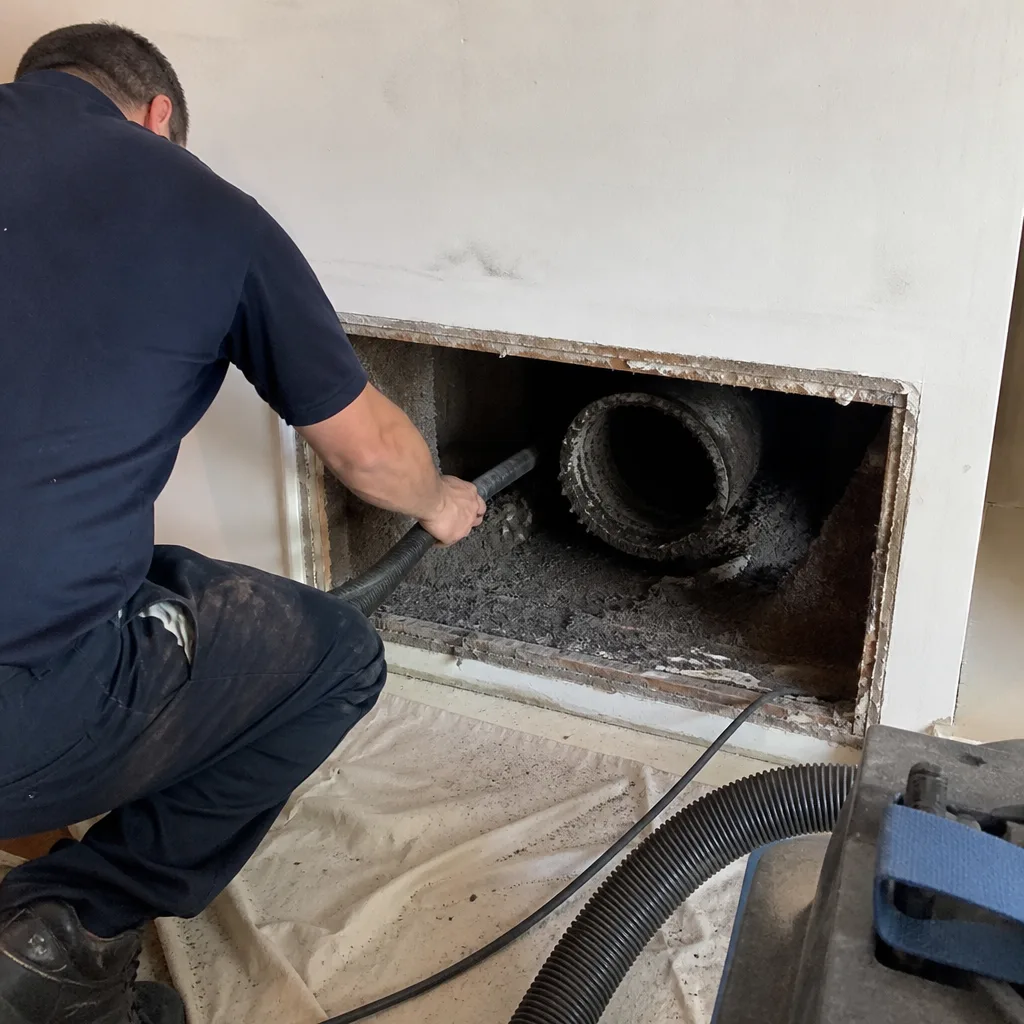 Before
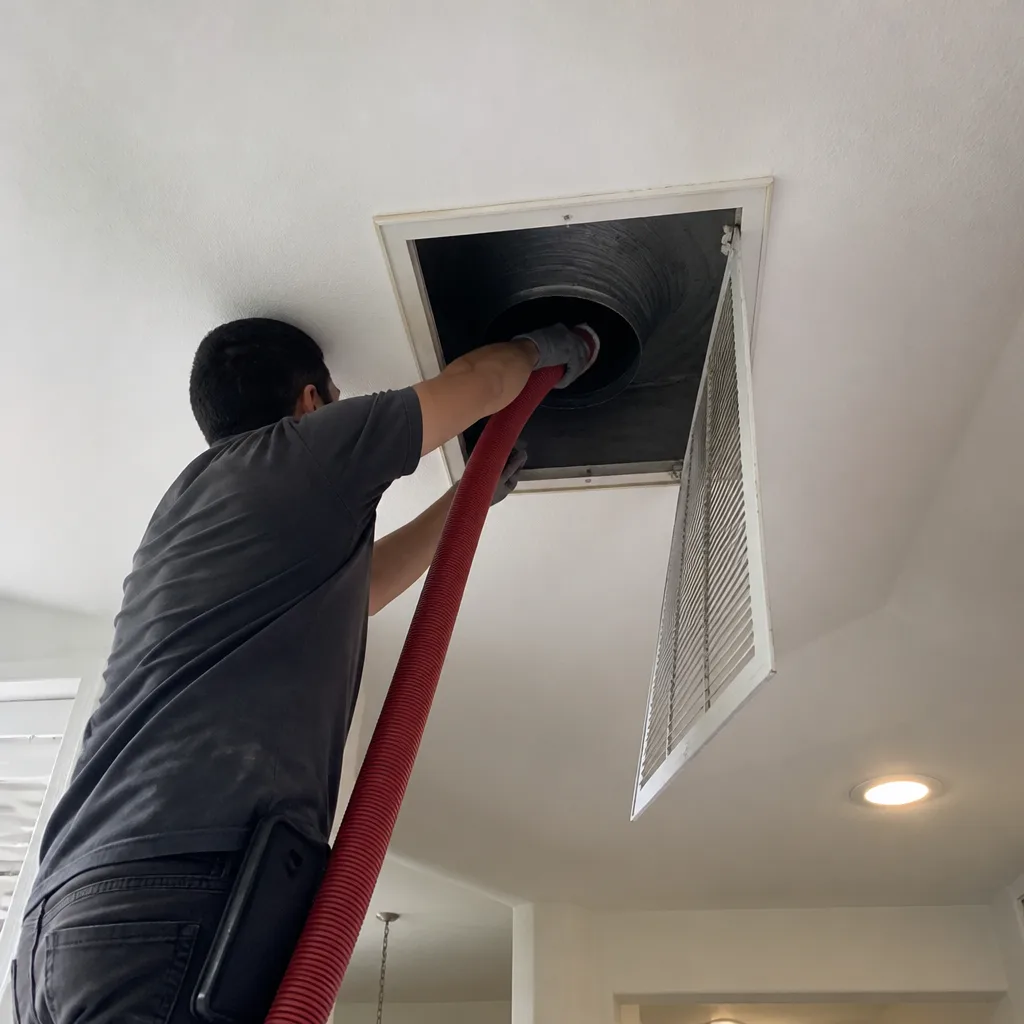 After
After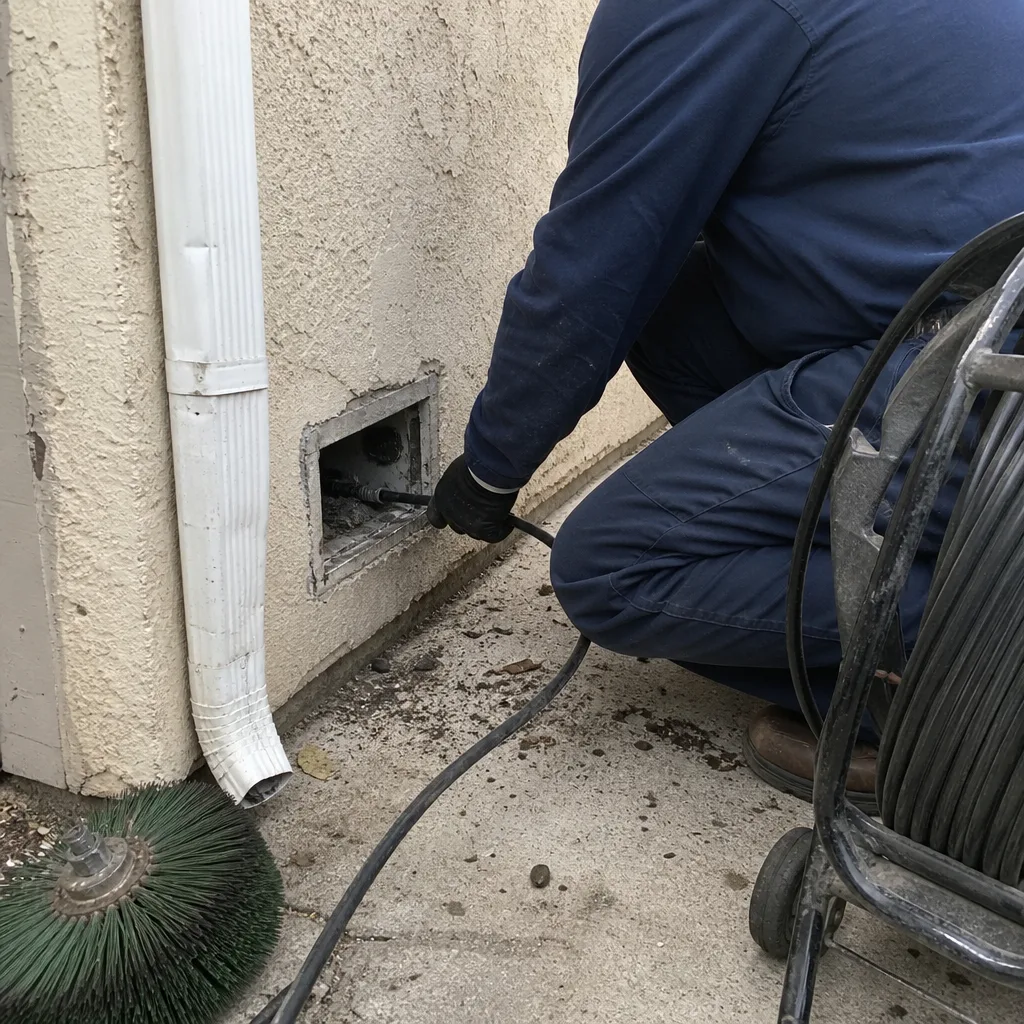 Before
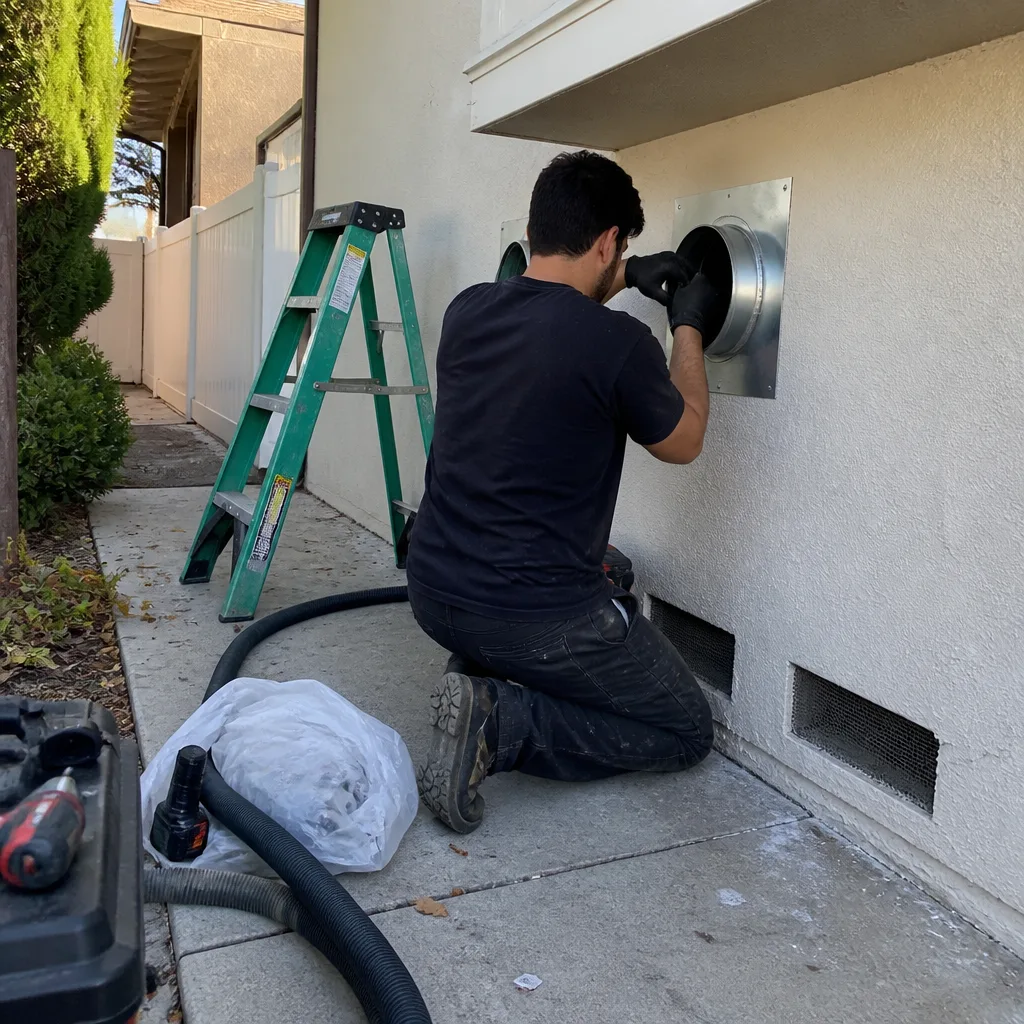 After
After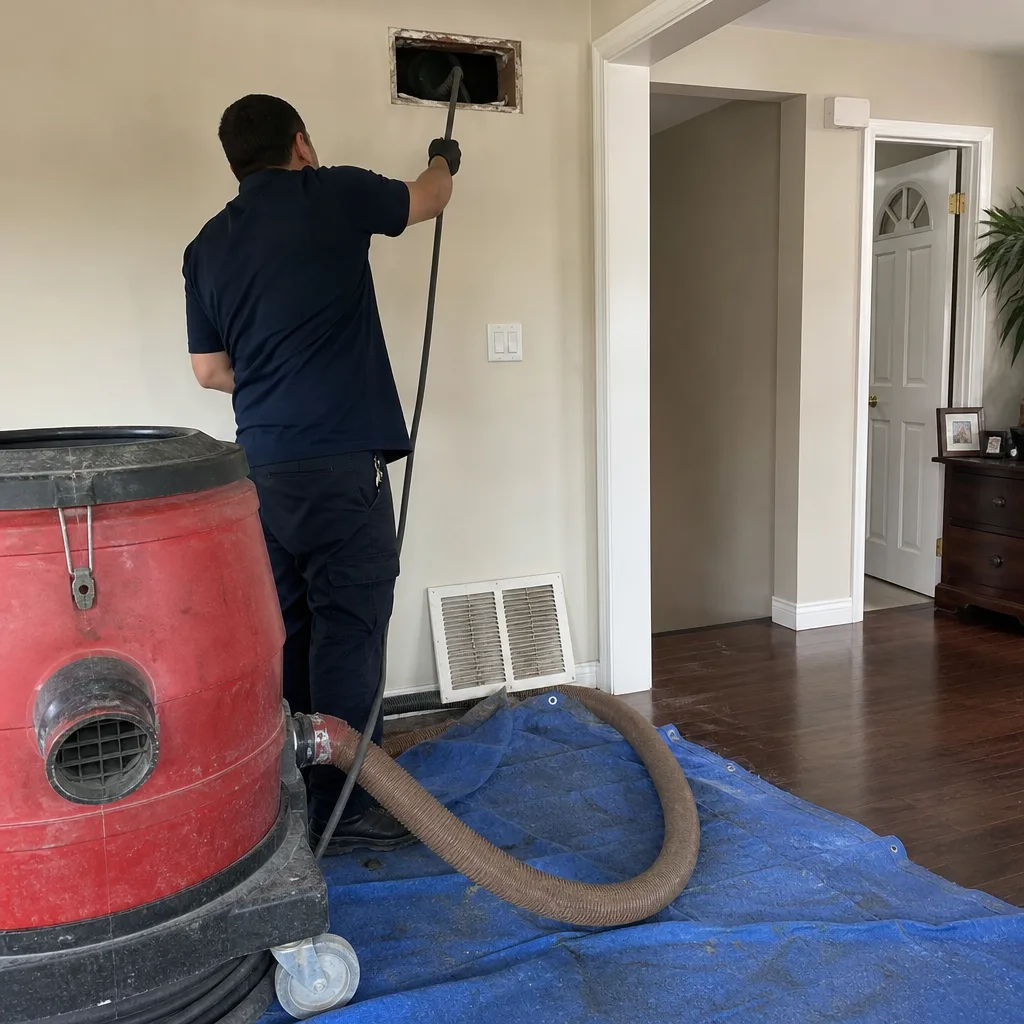 Before
 After
After