
Last updated October 15, 2026
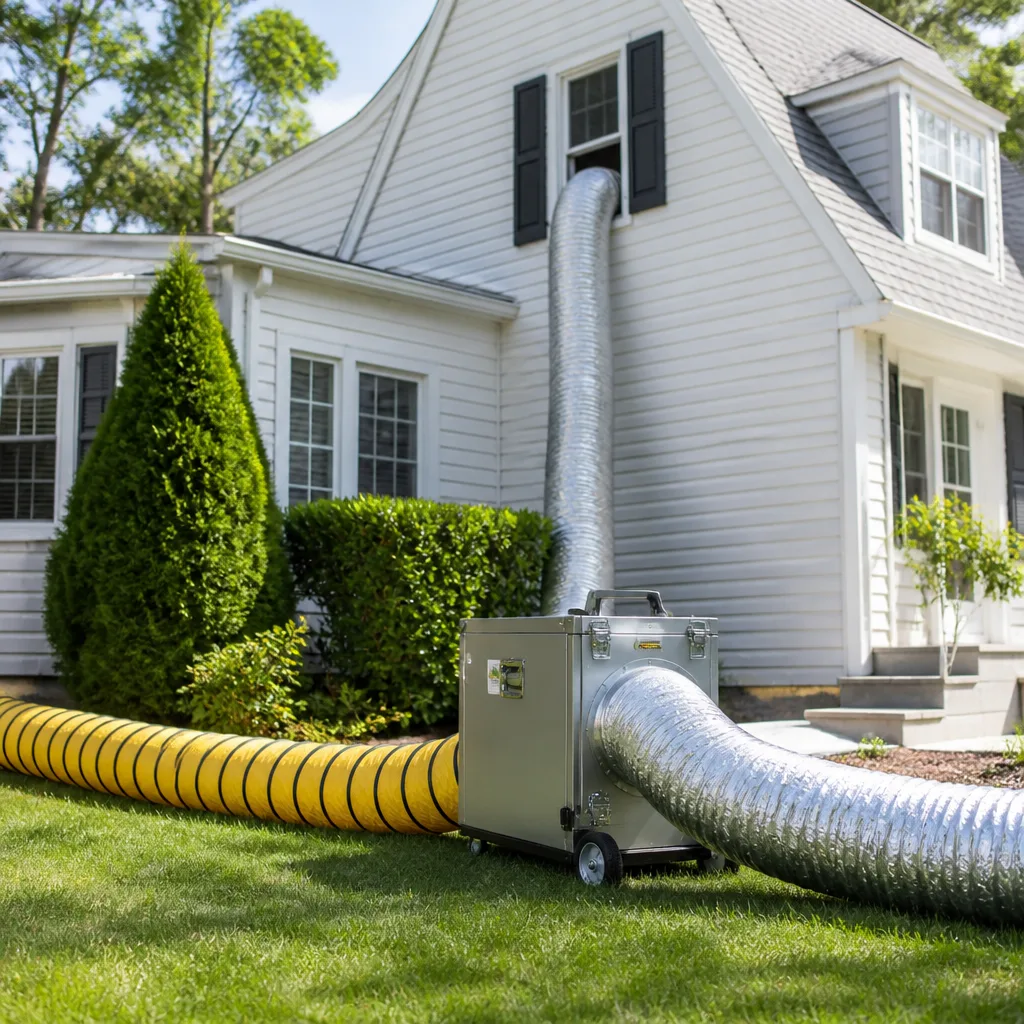 Whole-home duct cleaning
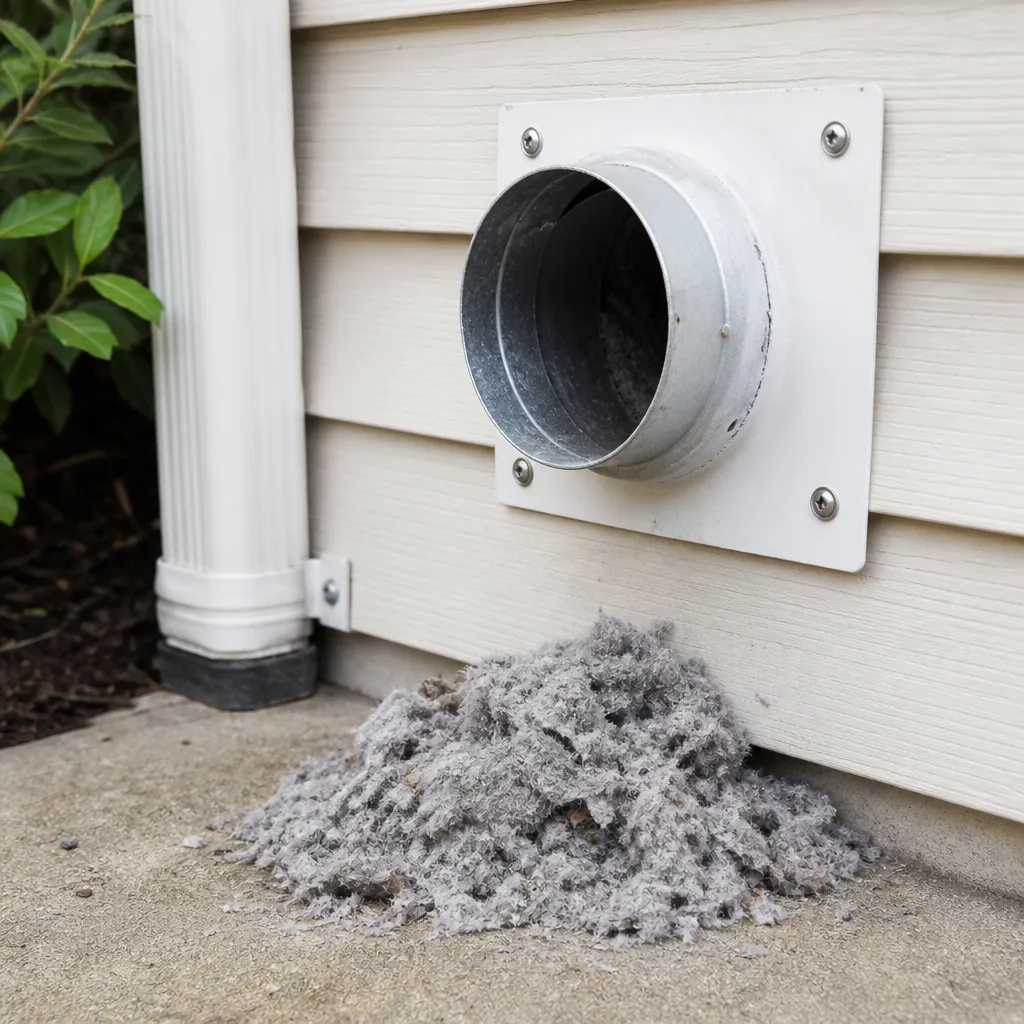 Dryer vent cleaning
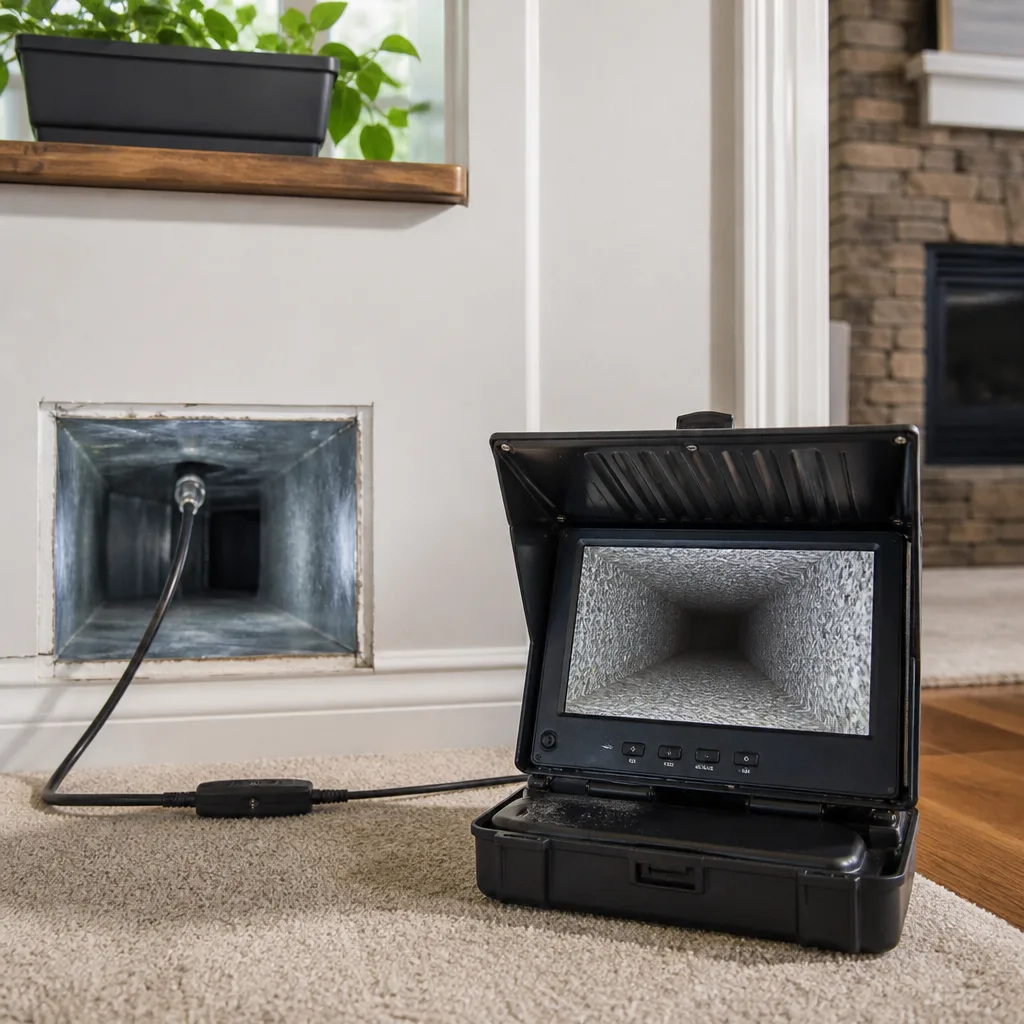 Camera inspection
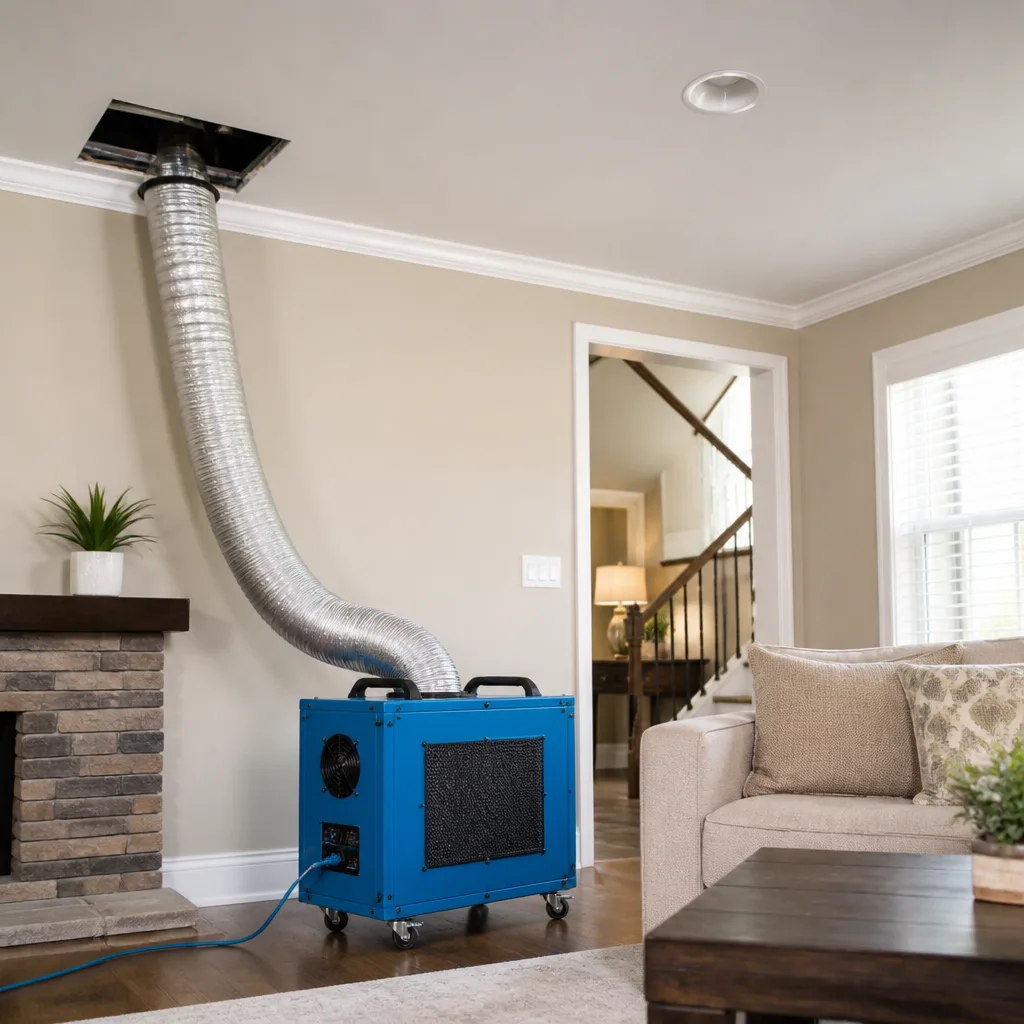 Sanitizing & deodorizing
Whole-system duct and dryer vent check with before-and-after photos - you see exactly what came out of your vents
That "$99 whole-house special" is a bait ad - the real number appears once they are in your hallway, or the "clean" is a shop-vac at the register. We photograph the inside of your ducts before and after instead.
The Complete Guide to Air Duct Cleaning in Orange County
Orange County’s coastal humidity and wildfire-season ash create a two-front contamination problem that inland duct-cleaning guides simply don’t account for, and most cleaning checklists were written for Ohio. Your ductwork behaves differently here because the air moving through it carries marine-layer moisture one week and Santa Ana-driven particulate the next. This guide explains how those local conditions affect your system, what Air Duct Cleaning services actually involve, and how to evaluate any contractor before they set foot in your home. You’ll learn how to read a post-cleaning report, understand the difference between supply and return ducts, and know exactly what fair pricing looks like in Orange County.
Quick Answer
Air duct cleaning in Orange County typically costs between $450 and $1,200 for a full single-family home system, depending on square footage, number of returns, and whether the system includes crawlspace ductwork. A proper cleaning takes 4 to 8 hours and uses negative-pressure extraction equipment, not just a shop vac on a hose. For an exact quote on your home, call Mortons Air Duct Orange County home at (831) 244-9367, and we’ll give you a written price before any work starts.
Styles & brands we work with
Table of Contents
- Why Orange County Ducts Are Different
- What a Full Cleaning Actually Involves, Step by Step
- Supply Ducts, Return Ducts, and the Air Handler: Why Partial Cleaning Fails
- Crawlspace Ducts vs. Slab-Foundation Ducts in Orange County
- How Much Does Air Duct Cleaning Cost in Orange County?
- How to Read a Post-Cleaning Report
- How Often Should You Clean Your Ducts?
- Signs You Need Duct Cleaning Now
Why Orange County Ducts Are Different
Most duct-cleaning advice online assumes a generic climate: cold winters, hot summers, maybe some humidity. Orange County breaks that model in two specific ways. First, the marine layer that rolls through coastal and near-coastal cities like Huntington Beach, Costa Mesa, Newport Beach, and Irvine brings consistent moisture between April and July. That moisture condenses inside ductwork, especially in crawlspaces and unconditioned attics, and it turns ordinary dust into a damp paste that adheres to duct walls. It does not blow away. It accumulates, and it becomes a medium where mold and bacteria can grow, even in systems that are only five or six years old.
Second, Santa Ana wind events push fine particulate through every gap in the building envelope. Homes near the 5, 55, and 405 freeways in Anaheim, Orange, Santa Ana, and Tustin also deal with constant tire-and-brake dust. When that fine particulate meets the damp duct walls created by the marine layer, you get a crust that builds in layers, like sediment. Inland homes in places like Riverside County deal with dust, but it tends to stay dry and loose. Orange County duct contamination is stickier, denser, and harder to remove with basic brushing. This is why we use Rotobrush and Nikro extraction equipment rather than relying on compressed air or a vacuum alone, a topic covered in our DIY vs Professional Air Duct Cleaning: The Orange County Homeowner’s Decision Guide. The agitation and negative-pressure combination is what removes the adhered layer, not just the loose dust sitting on top of it.
Wildfire ash adds a third layer to the problem. During the 2020 and 2025 fire seasons, ash settled across the county from Seal Beach to San Clemente. Ash is not ordinary dust. It is alkaline, corrosive, and extremely fine, and it penetrates the return side of HVAC systems quickly. Once inside, it coats the blower motor, evaporator coil, and duct walls. A standard filter change does not remove it. Only agitation and extraction from inside the ductwork does. If you have not had your ducts cleaned since a significant fire season, the ash is likely still in there.
For a deeper look at how local conditions affect air quality inside your home, read our full guide to Air Duct Cleaning in Orange County.
What a Full Cleaning Actually Involves, Step by Step
You should know exactly what you are paying for before anyone arrives at your home. Here is the sequence we follow on a typical duct cleaning in Orange County, and it is the standard any reputable contractor should describe to you in writing.
- Pre-inspection camera scope. Before any equipment enters the house, we inspect the main trunk lines with a small camera. We look for debris type, moisture, mold, pest activity, and disconnected joints. We walk you through what we find. You see it with your own eyes before you spend a dollar. If your ducts do not need cleaning, we tell you that. That happens more often than you would expect, and we would rather tell you the truth than sell a service you do not need.
- Protection setup. Shoe covers go on at the door. Drop cloths cover the floor under the work path and under every supply register we open. If you have a pet area near a register, we move the pet’s bedding or create a barrier around it. The house should look the same when we leave as when we arrived, minus the dust inside the ducts.
- Register and grille removal. Each supply register and return grille is removed, cleaned, and set aside. We number them so they go back in the same spot facing the same direction.
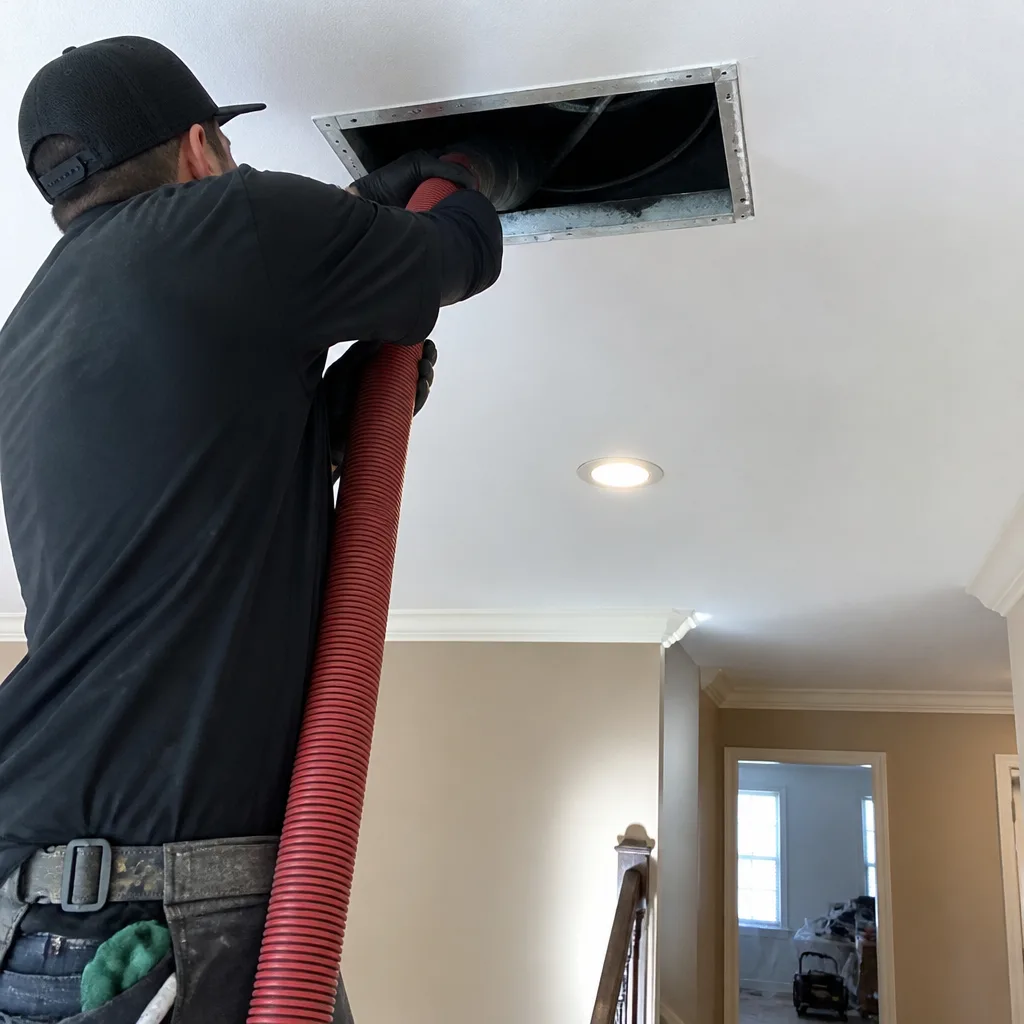
- Negative-pressure extraction setup. We connect a HEPA-filtered negative-air machine to the main trunk line. This creates continuous suction throughout the system so that dislodged debris is pulled out of the duct rather than blown into your living room. The equipment we use includes Rotobrush and Nikro systems, which are professional-grade tools from industry-trusted brands. These are not the rental units you can pick up at a hardware store, and the difference in suction and agitation power is significant.
- Agitation and brushing. With negative pressure running, we feed rotating brushes and air whips through each branch of the ductwork. The brush loosens the adhered dust layer, and the negative air pulls it immediately out of the system. We do this branch by branch, supply side first, then return side.
- Air handler and blower cleaning. The fan, blower housing, evaporator coil, and surrounding cabinet are cleaned. This is a step many cheaper cleaning services skip, and it matters because a dirty blower re-contaminates clean ducts within weeks. The air handler is the heart of the system, and leaving it dirty defeats the entire purpose.
- Filter replacement and system restoration. We install a clean filter, confirm every register and grille is replaced, and run the system briefly to verify airflow is even throughout the house.
- Final inspection and documentation. Our technician walks you through the before and after. We take photos of the cleaned areas, close up the drop cloths, and take a photo of the clean-up before the crew leaves. You get a written report describing what we found, what we did, and what condition the system is in. That report is your proof of work.
Every one of these steps is done to the Cedarwell Care Promise, which is our internal standard that covers the physical details: shoe covers and drop cloths on every visit, a written price before any work starts, and a photo of the clean-up before the crew leaves. It is not an add-on service. It is the baseline.
Supply Ducts, Return Ducts, and the Air Handler: Why Partial Cleaning Fails
Your HVAC system has three distinct parts, and they accumulate contamination differently. Understanding this matters because some contractors quote a lower price by cleaning only one section and leaving the rest untouched.
Supply ducts carry conditioned air from the air handler to each room. These are the ducts you see at the registers where air blows out. Supply ducts accumulate dust from the air handler itself, plus whatever the blower picks up and distributes. If the air handler is dirty, the supply ducts get dirty quickly, which is why cleaning supply ducts without cleaning the air handler is a temporary fix at best.
Return ducts carry air from the house back to the air handler. These are the workhorses of contamination because they pull unfiltered air from every room. Pet hair, cooking grease, candle soot, and outdoor particulate all enter through the returns. In Orange County homes with returns near the floor, which is common in two-story builds in Mission Viejo, Lake Forest, and Aliso Viejo, the bottom three feet of air in a room carries the highest concentration of dust and dander, and that is what gets pulled into the return side.
The air handler is the cabinet that houses the blower motor, evaporator coil, and often the filter. It sits in a closet, attic, or garage. Over time, the blower blades develop a coating of grime, the evaporator coil gets coated with a film that reduces efficiency, and the cabinet itself holds dust. A dirty air handler re-contaminates clean ducts within weeks of a cleaning. This is why a quote that covers only “the vents” is not a real cleaning.
We clean all three sections, every time. A system with clean supply ducts, clean return ducts, and a dirty air handler will be right back where it started within a few months. That is not a service problem. That is an incomplete job.
If you have a dryer in the house, the same logic applies to its exhaust line. We cover that separately in our guide to Dryer Vent Cleaning in Orange County.
Crawlspace Ducts vs. Slab-Foundation Ducts in Orange County
Orange County’s housing stock splits into two broad categories, and the type of foundation under your home changes how your ducts behave. Older homes in Anaheim, Santa Ana, Garden Grove, Fullerton, and Orange were often built over crawlspaces. The ductwork runs through that unconditioned space below the floor, where it is exposed to moisture from the soil, temperature swings, and whatever lives under the house.
Crawlspace ducts face three specific problems. First, moisture migrates from damp soil into the crawlspace air, and that humid air gets drawn into any duct leaks. The result is rust on metal ducts and mold growth on fiberglass duct liners. Second, rodent and pest activity in crawlspaces is common across older Orange County neighborhoods, and ducts become highways. Droppings, nesting material, and carcasses inside ductwork are hazards we find more often than homeowners expect, and it is exactly the kind of thing a proper camera inspection reveals before cleaning begins. Third, duct joints separate over time as the house settles, which pulls crawlspace air into the supply stream. That means whatever is under the house is also in the air you breathe.
Slab-foundation homes, common in newer developments in Irvine, Rancho Santa Margarita, Ladera Ranch, and much of south Orange County, typically have ductwork in the attic instead. Attic ducts face a different challenge: extreme heat. Summer attic temperatures in Orange County can exceed 140 degrees, which degrades flex duct liners faster and bakes dust into a hard crust on the duct walls. That crust requires stronger agitation to remove than the soft dust you would find in a basement system in the Midwest.
Neither foundation type is better or worse. They are just different, and the cleaning approach should match. A contractor who treats every home the same way, with the same tools and the same timeline, probably is not inspecting carefully enough to know which type of problem they are solving.
How Much Does Air Duct Cleaning Cost in Orange County?
In Orange County, expect to pay between $450 and $1,200 for a full duct cleaning on a single-family home. The spread depends on square footage, the number of supply and return registers, accessibility of the air handler, and whether the home has crawlspace or attic ductwork. Here is a practical breakdown for planning purposes:
- Small condo or townhome (up to 1,200 sq ft): $350 to $600
- Average single-family home (1,200 to 2,500 sq ft): $450 to $900
- Larger home (2,500 to 4,000+ sq ft): $700 to $1,200+
- Add-on dryer vent cleaning: $125 to $250 when booked alongside duct cleaning
These are whole-system ranges, not per-vent prices. Any quote built on a per-vent price should give you pause, because the final number is easy to inflate once the crew is on site. At Mortons Air Duct Orange County, we give you one flat price per system, in writing, before any work starts. No per-vent math. No surprise line items. No invoice that does not match the quote.
Why are some Orange County quotes so much cheaper? A $199 whole-house duct cleaning advertisement is a door-opener, not a real price. The fine print usually limits the number of vents, excludes the air handler, and adds charges for every additional return, register, and access point. By the time the technician is walking back to the van, the invoice is at or above what a reputable company would have quoted up front. The low price is not a discount. It is a sales tactic. We would rather tell you the real number before you schedule, because then you can plan around it and know exactly what the job costs before we step through the door.
How to Read a Post-Cleaning Report
A reputable duct cleaning contractor leaves behind documentation. If the crew vanishes without handing you anything, that is a red flag. Here is what a proper post-cleaning report should include, and what each section actually tells you.
Pre-inspection findings. This should describe what the camera scope found before cleaning: dust load, moisture, mold growth, pest activity, disconnected ducts, missing insulation, or any other condition noted. This section is your baseline. Without it, you cannot evaluate whether the cleaning was worthwhile or whether there are larger system problems that need attention.
Service performed, by section. The report should list each component that was cleaned: supply ducts, return ducts, air handler, blower motor, evaporator coil, and registers. If a section is missing from the report, it likely was not cleaned. A complete job lists the whole system.
Before and after photos. Not stock photos. Photos of your actual ducts, before and after. We take photos of the main trunk lines, the air handler cabinet, and the clean-up before the crew leaves. You should be able to see the difference on your own phone.
Filter type and condition. The report should note what filter was installed, its MERV rating, and the condition of the old one. This tells you whether your filter is adequate for your system and your household. Homes with pets in Orange County usually need at least a MERV 8 filter, and often higher if anyone has allergies.
Recommendations. Any issues that need follow-up go here: a disconnected duct joint, a rusted return box, an air handler that needs servicing. These are not upsell items. They are legitimate findings from the inspection, and a good report documents them honestly without pressure.
If a contractor cannot produce this documentation, ask why. A brief verbal summary is not a substitute for a written record. The report is your proof that the work was actually done, and it is the document you will pull out if you ever need to make a claim under a service guarantee. Our 365-Day Done Right Promise is only meaningful because we document every job well enough that there is no ambiguity about what was done and what it looked like when we left.
How Often Should You Clean Your Ducts?
The honest answer for most Orange County homes is every 3 to 5 years, with notable exceptions. The interval shifts based on what your specific household is dealing with, not on a generic calendar that applies everywhere.
Every 2 to 3 years if you have multiple indoor pets, especially heavy shedders. Golden retrievers, huskies, and long-haired cats shed continuously, and their dander is extremely light, which means it stays suspended in the air long enough to get pulled into the return ducts. It accumulates faster than ordinary household dust.
Every 2 to 3 years if anyone in the home has significant allergies or respiratory conditions. The duct system acts as a reservoir. Every time the system runs, it re-releases whatever has settled inside. For allergy sufferers in Orange County, where outdoor pollen seasons are nearly year-round, keeping the indoor system as clean as possible is one of the few variables you can actually control.
After any significant renovation. Drywall dust, sawdust, and construction particulate are fine enough to bypass most filters and will coat the entire duct system within days of a remodel. We recommend cleaning after the renovation is complete, not before, and not during. Clean it once the dust has settled.
After a major wildfire season. If ash fell on your property, it almost certainly entered your home and your duct system. Ash is corrosive and abrasive. Letting it sit in the air handler accelerates wear on the blower motor and evaporator coil. This is not a cosmetic cleaning. It is equipment protection.
After moving into an older home. If you buy a home in Anaheim, Garden Grove, or Santa Ana where the previous owner had pets, smoked, or simply never cleaned the ducts, start fresh. You have no idea what is in those ducts, and the cheapest time to find out is before you move your furniture in.
If none of those conditions apply, 4 to 5 years is a reasonable interval for a typical Orange County household. The best way to know for sure is a camera inspection. If the ducts are clean, you will see it. If they are not, you will see that too, and you can make a decision based on evidence rather than a calendar.
Signs You Need Duct Cleaning Now
Some signals are obvious. Others are subtle and easy to dismiss. Here are the signs we hear about most often from Orange County homeowners who call us, and what each one usually means.
- Dust accumulating on surfaces within days of cleaning. You wipe a shelf, and two days later there is a visible film again. That dust is not appearing from nowhere. It is being blown out of your supply registers every time the system cycles.
- A musty or sour smell when the AC kicks on. This is a signature of moisture in the ductwork, common in Orange County crawlspaces and in systems that run heavily during muggy marine-layer months. The smell comes from mold or bacteria growing on damp dust inside the ducts.
- Visible dust or debris around supply registers. Dark streaks or gray fuzz around the edges of a register mean the air leaving the duct is carrying particles with it. The inside of the duct is worse than the outside.
- Uneven airflow between rooms. One bedroom always feels cold in summer, another always feels stuffy. Partial blockage from debris, or collapsed flex duct in an Orange County attic, can restrict airflow to specific branches of the system.
- A sudden increase in allergy symptoms at home that improve away from home. If symptoms clear up when you are at work or on vacation and return within hours of being home, the indoor environment is the variable, and the ducts are a likely reservoir.
- You have never had the ducts cleaned and the home is more than 10 years old. Even with good filters, a decade of use in Orange County’s climate leaves a coating on the duct walls. If you do not know the history, the default assumption should be that it needs to be looked at.
None of these signs is a reason to panic. They are reasons to investigate. A camera inspection answers the question definitively in about 20 minutes, and at Mortons Air Duct Orange County, the inspection is part of the quote process. You see what we see, and then you decide.
Common Mistakes to Avoid
- Hiring a company that quotes per vent. Per-vent pricing gives the contractor room to inflate the final bill once they are on site. A reputable Orange County duct cleaning company quotes one flat price per system, in writing, before the job starts.
- Skipping the air handler. The most common cost-cutting shortcut is cleaning only the supply and return ducts while leaving the blower and evaporator coil untouched. A dirty air handler re-contaminates the entire system within weeks, which means you paid for a cleaning that will not last.
- Choosing based on the lowest coupon price. Door-opener pricing in this industry is a well-worn tactic, and Orange County has no shortage of companies using it. The real test is what the final invoice says after the technician has walked the house. Ask for a written, all-in quote before you schedule anything.
- Assuming filter changes are enough. Filters protect the air handler, not the ducts themselves. Even with a high-quality filter from Honeywell or Aprilaire, fine particulate still coats duct walls over time, especially in homes with pets or near freeways.
- Cleaning ducts during a windy Santa Ana event. If your system is cleaned while fine particulate is actively blowing through the building envelope, the ducts begin re-contaminating before the crew pulls out of the driveway. Schedule a few days after the wind settles.
- Forgetting the dryer vent. Many Orange County homeowners clean their ducts and neglect the dryer exhaust, which carries lint through a separate pathway. A clogged dryer vent is a fire hazard and should be cleaned on its own schedule. For more on that, see our guide to Dryer Vent Cleaning in Orange County.
- Accepting a verbal report with no documentation. If the crew cannot show you photos of your actual ducts before and after, and cannot give you a written report of what was done, you have no way to verify the work or hold the company accountable. Demand documentation.
See the difference
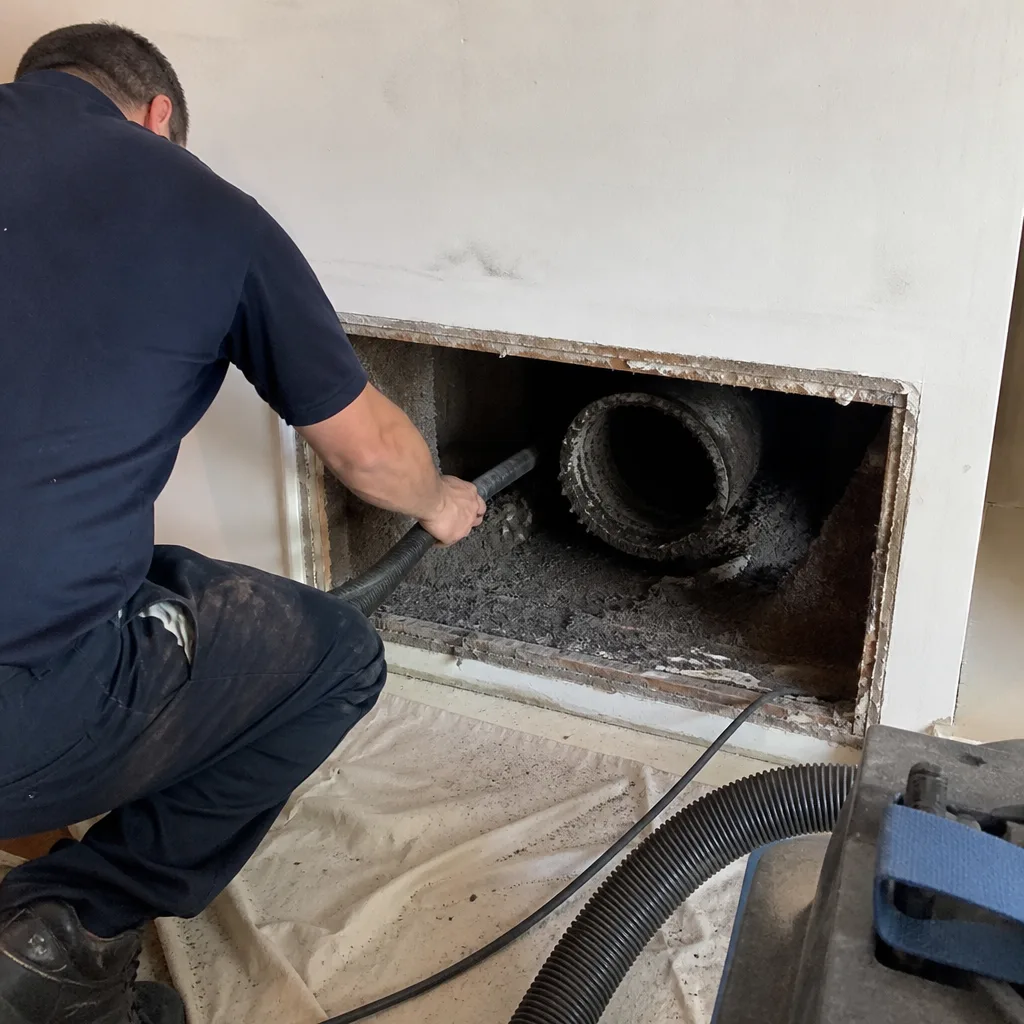 Before
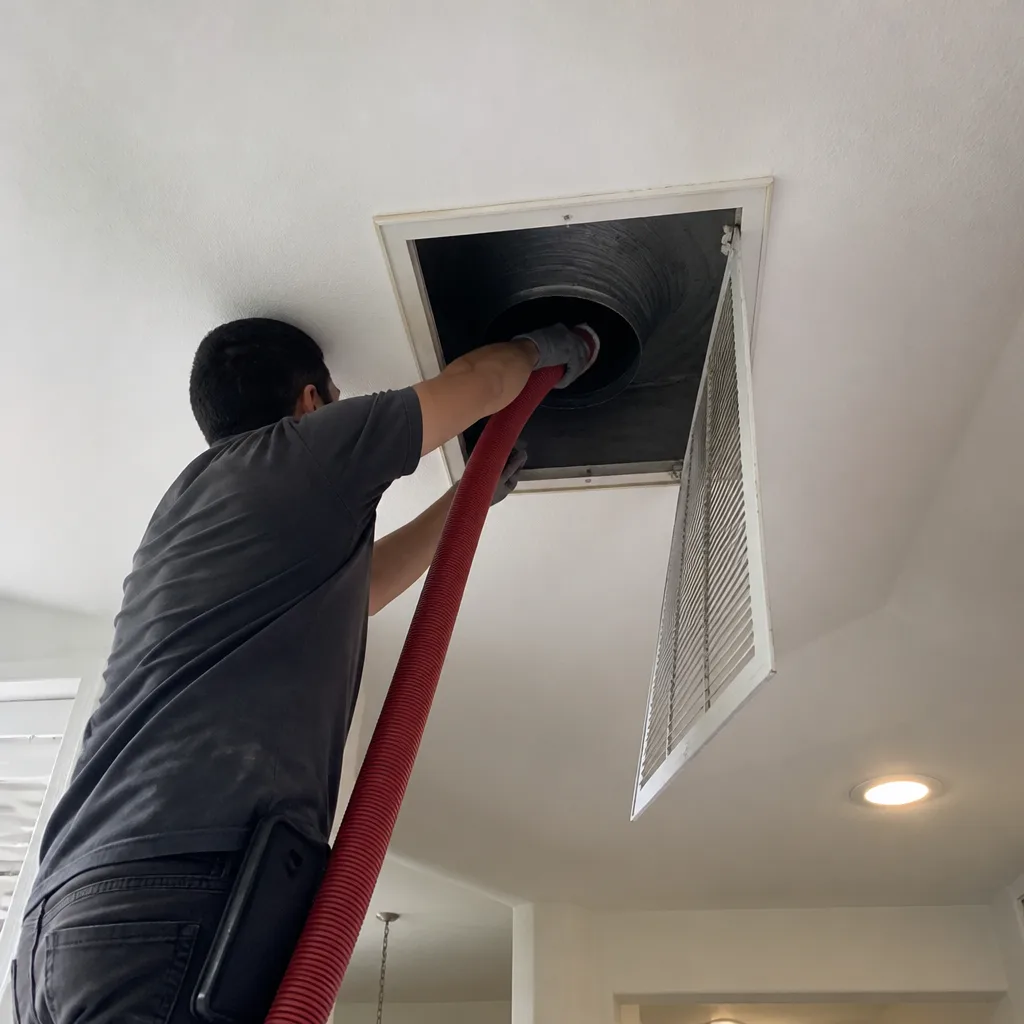 After
After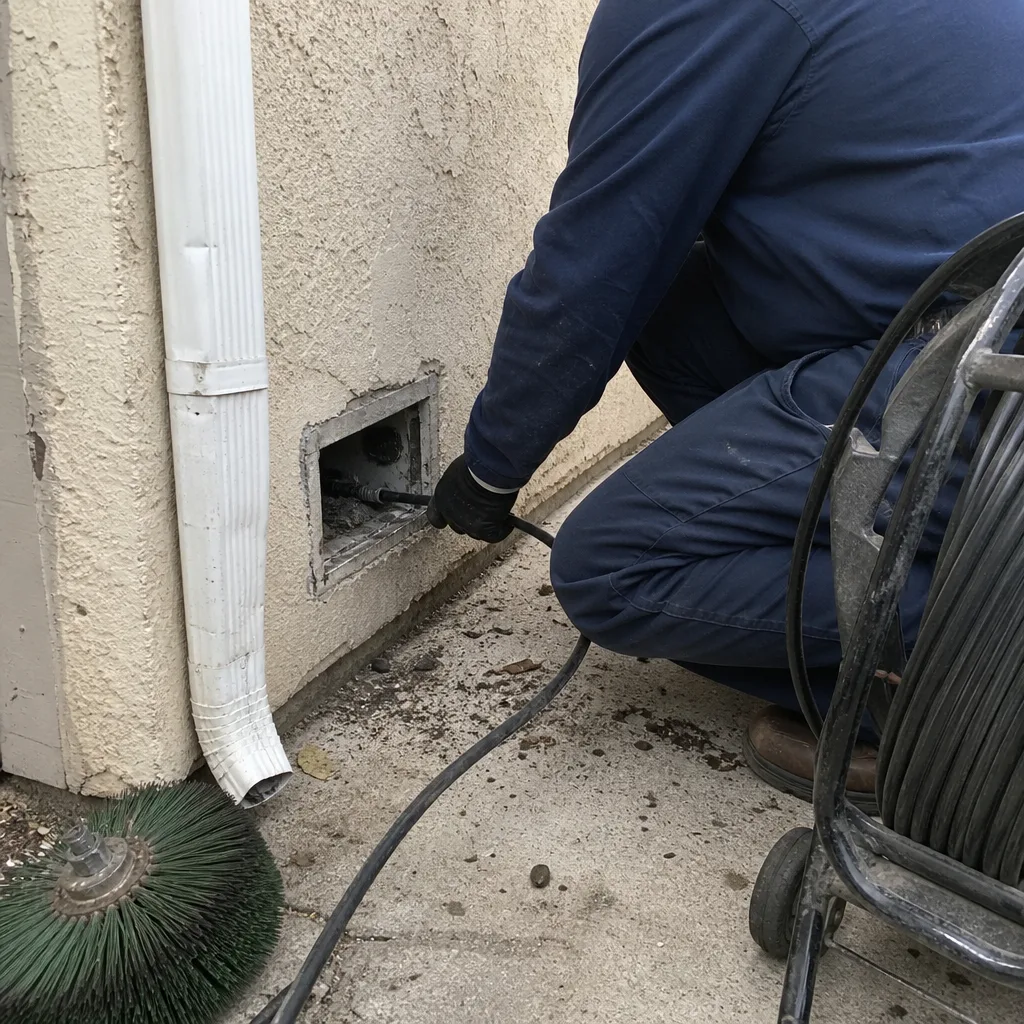 Before
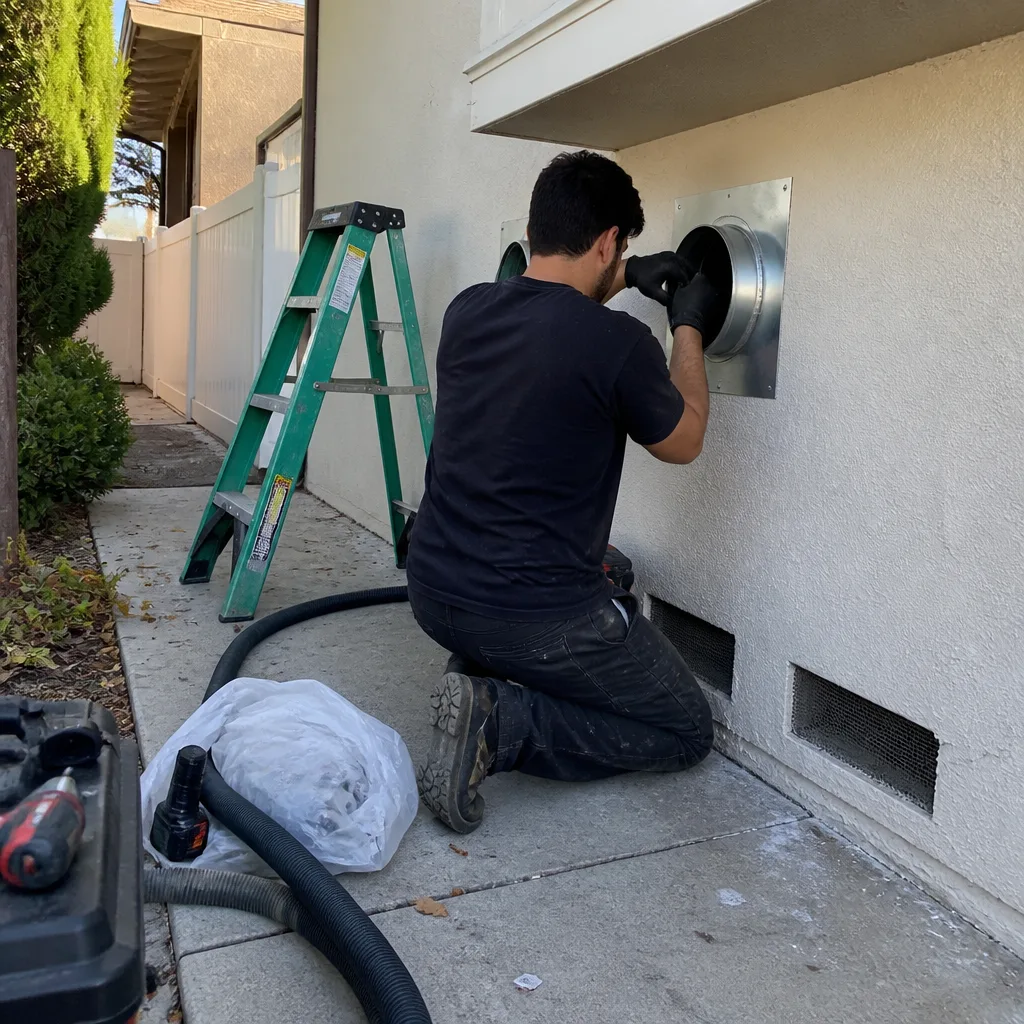 After
After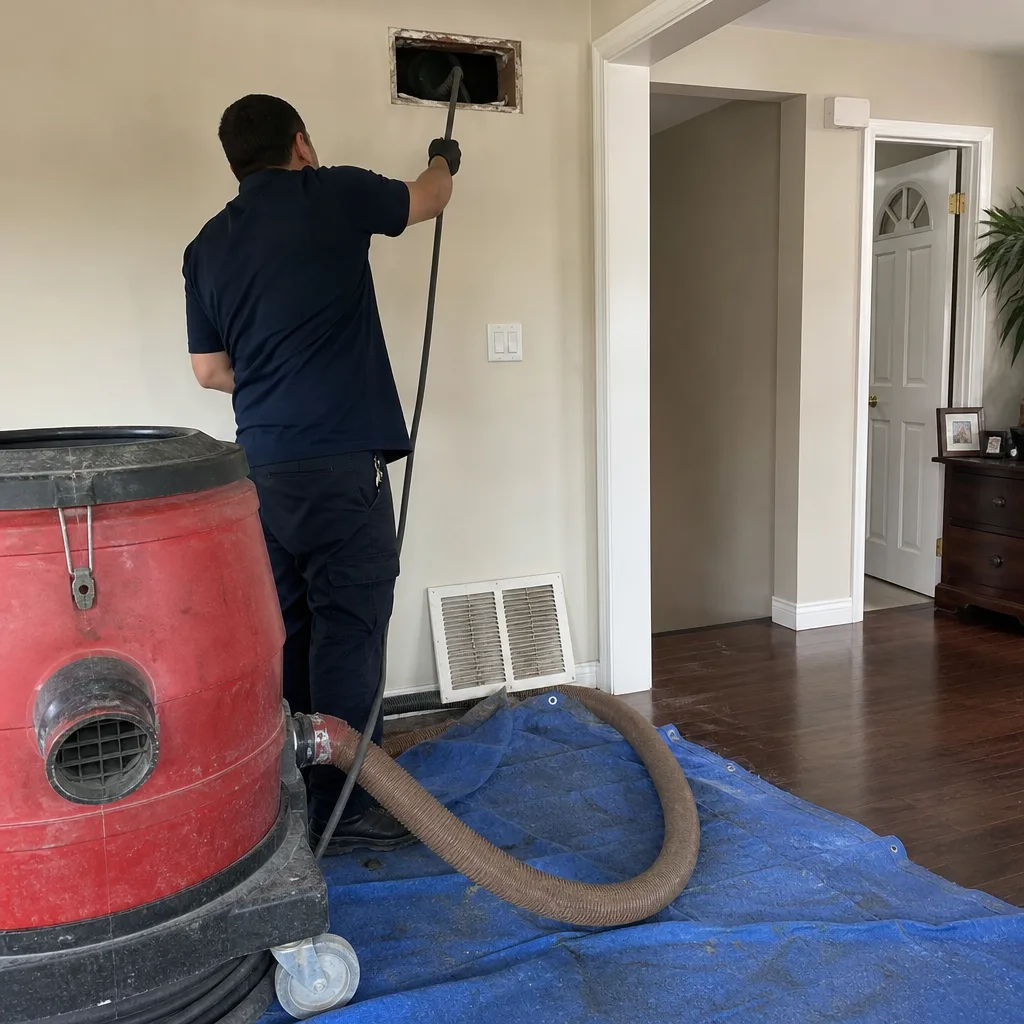 Before
 After
AfterWhen to Call a Professional
Call a professional for duct cleaning in Orange County when you see dust re-accumulating within days, smell something musty when the system runs, or know that the home has had pets, renovations, or fire-season exposure without a subsequent cleaning. Also call if you have moved into an older home in Anaheim, Santa Ana, or Garden Grove and the duct history is unknown. A camera inspection is the only way to know the real condition of your system, and it should be offered free as part of the quoting process. Mortons Air Duct Orange County offers free estimates throughout Orange County. Call (831) 244-9367 and a real person answers, 24/7, not a voicemail or a chatbot.
Frequently Asked Questions
Air duct cleaning in Orange County typically costs $450 to $1,200 for a full single-family home system, with smaller condos on the lower end and larger homes with crawlspace or multiple returns on the higher end. Any quote built on per-vent pricing should be avoided, because the final number can be inflated once the crew is on site. At Mortons Air Duct Orange County, we give one written price per system before any work starts, and the invoice never surprises you. Call (831) 244-9367 for an exact quote on your home.
Cheap duct cleaning quotes in Orange County are usually door-openers, not real prices. They often exclude the air handler, cap the number of vents, or add charges for every additional return and access point until the final invoice matches or exceeds a reputable quote. A $199 whole-house advertisement is a sales strategy, not a price. We quote the real number up front so you can plan around it before anyone arrives.
A reputable contractor provides before-and-after photos of your actual ductwork, a written report listing every component cleaned, and documentation of the clean-up before the crew leaves. Without photos and a written record, you have no way to verify the work. Every Mortons Air Duct Orange County job includes a photo of the clean-up and a written report as standard practice.
Most Orange County homes benefit from duct cleaning every 3 to 5 years, with a shorter interval of 2 to 3 years for homes with multiple pets, allergy sufferers, or significant fire-season exposure. The best way to know is a camera inspection. If the ducts are clean, you will see it, and you can wait. If they are not, the evidence is right in front of you.
Yes, duct cleaning addresses the musty smell that Orange County homeowners often notice when the AC starts. That odor comes from moisture condensing on dust inside the ductwork, especially during the marine-layer months between April and July, and it supports mold and bacteria growth. Removing the contaminated dust and cleaning the air handler eliminates the source of the smell and prevents it from returning as quickly.
A high-quality filter from Honeywell or Aprilaire protects the air handler and improves the air passing through it, but it does not prevent dust from coating the duct walls over time. Fine particulate, pet dander, and wildfire ash are small enough to pass through any consumer filter and settle inside the ducts. A good filter delays contamination. It does not eliminate the need for periodic cleaning.
The Bottom Line
Air duct cleaning in Orange County is not an emergency response to a smell or an illness. It is a maintenance cycle for a system that works hard in a climate that is harder on it than most guides acknowledge. The marine layer and Santa Ana winds create a specific kind of contamination that takes real equipment and a complete approach to remove: supply ducts, return ducts, air handler, and all. You should expect a written price before work starts, documentation when it is done, and a company that treats your home with the same care you do. If you have questions about your system, call Mortons Air Duct Orange County at (831) 244-9367. We will walk through what you are seeing, what it likely means, and what a proper cleaning in your home would involve, with no pressure and no guesswork.
Written by Paul Adeyemi, Owner at Mortons Air Duct Orange County, serving Orange County since 2005.