
Last updated October 15, 2026
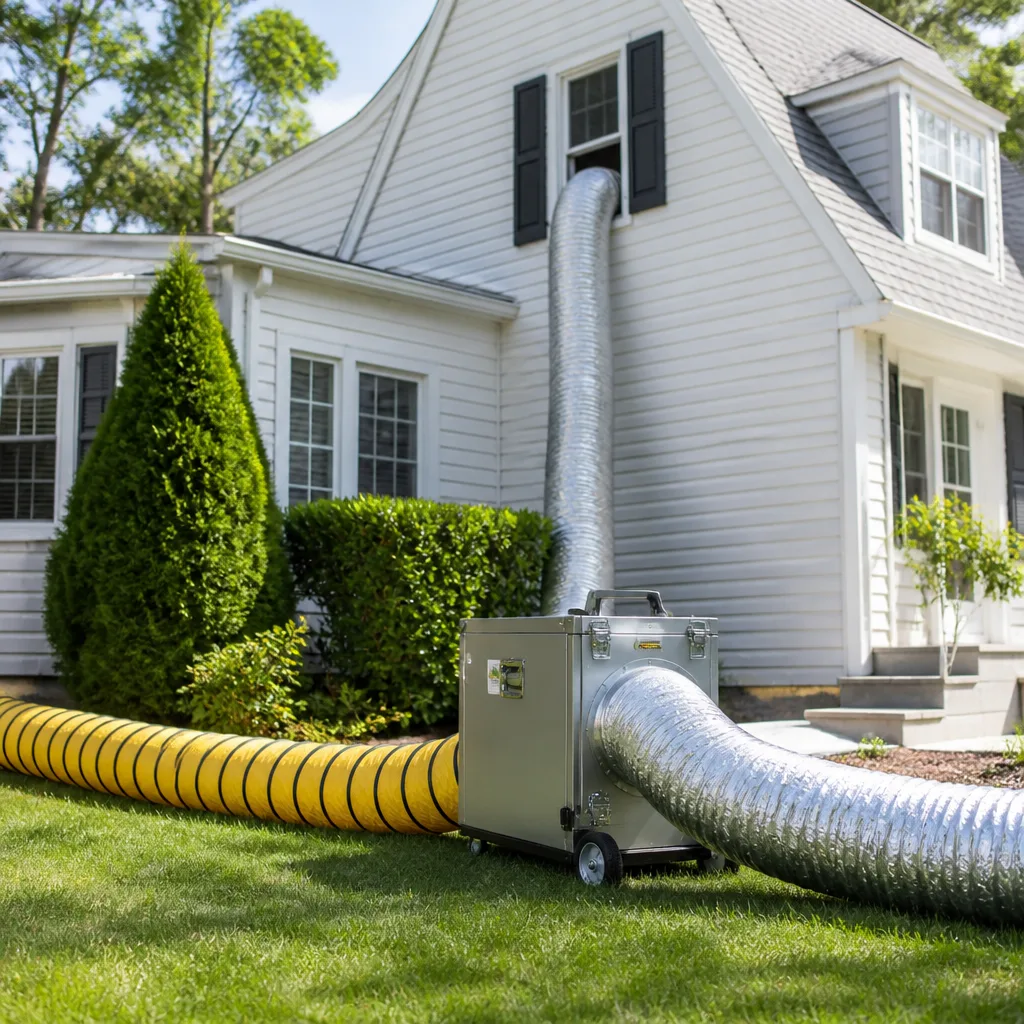 Whole-home duct cleaning
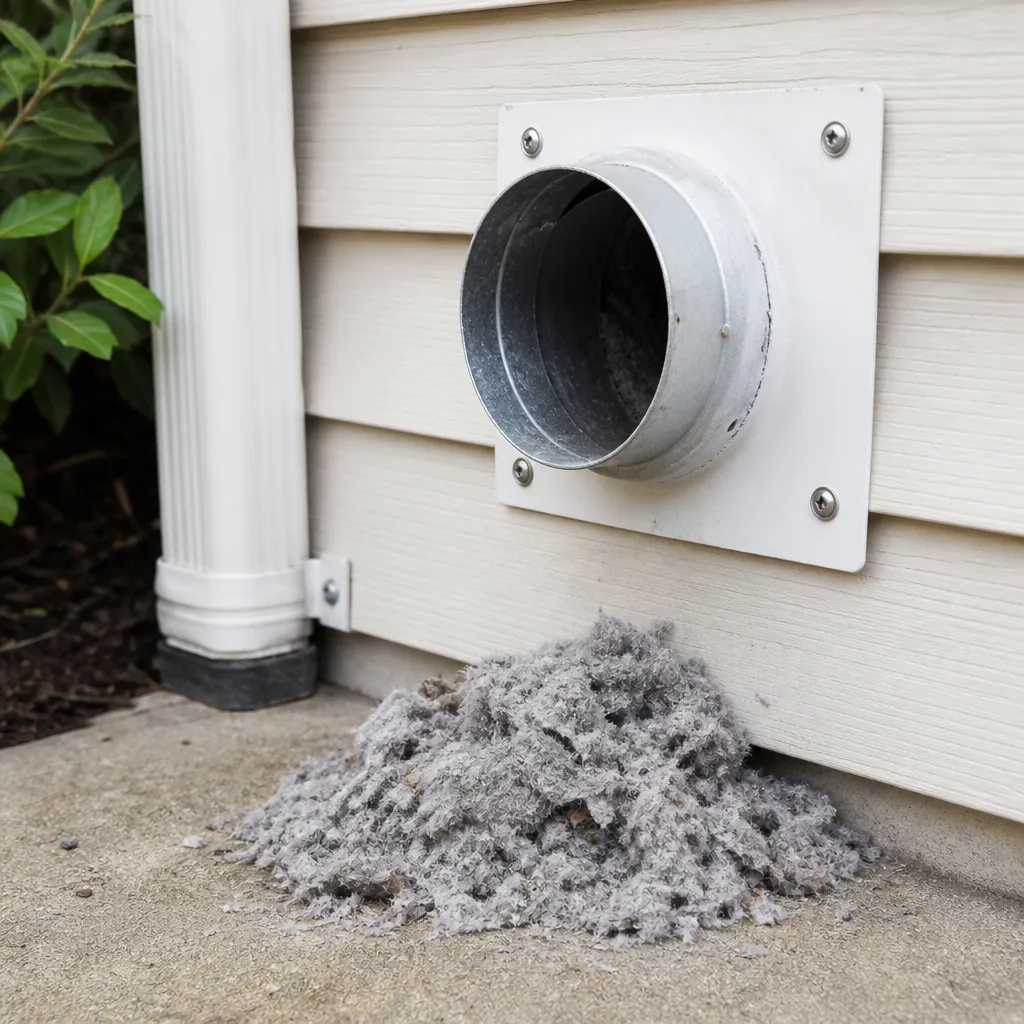 Dryer vent cleaning
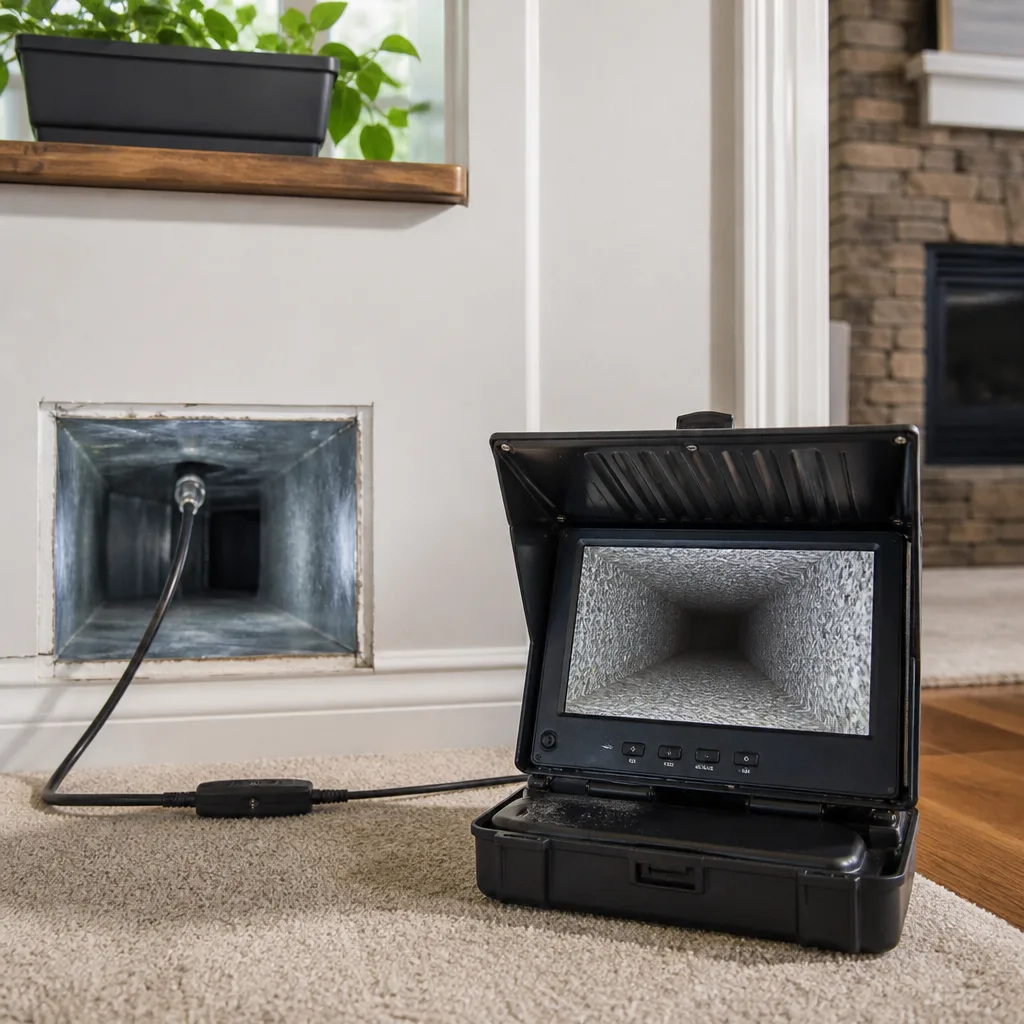 Camera inspection
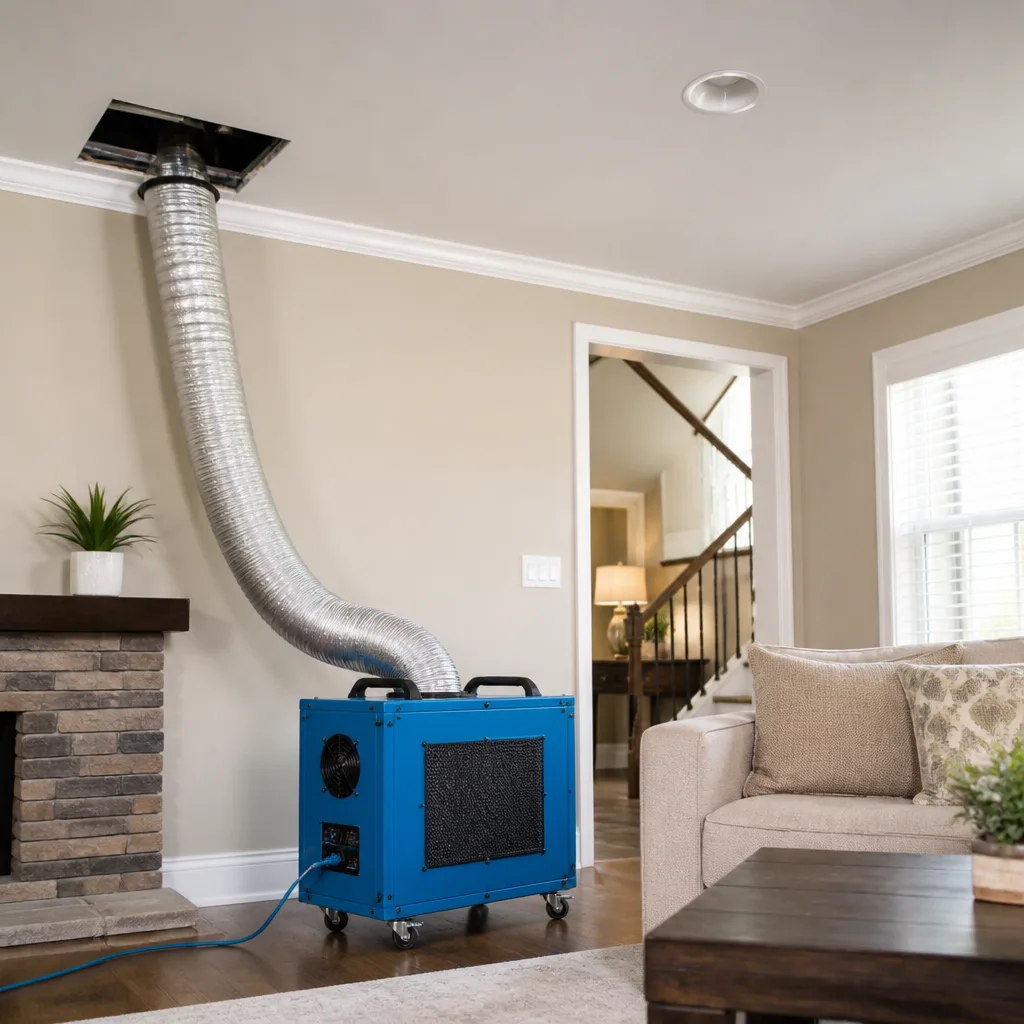 Sanitizing & deodorizing
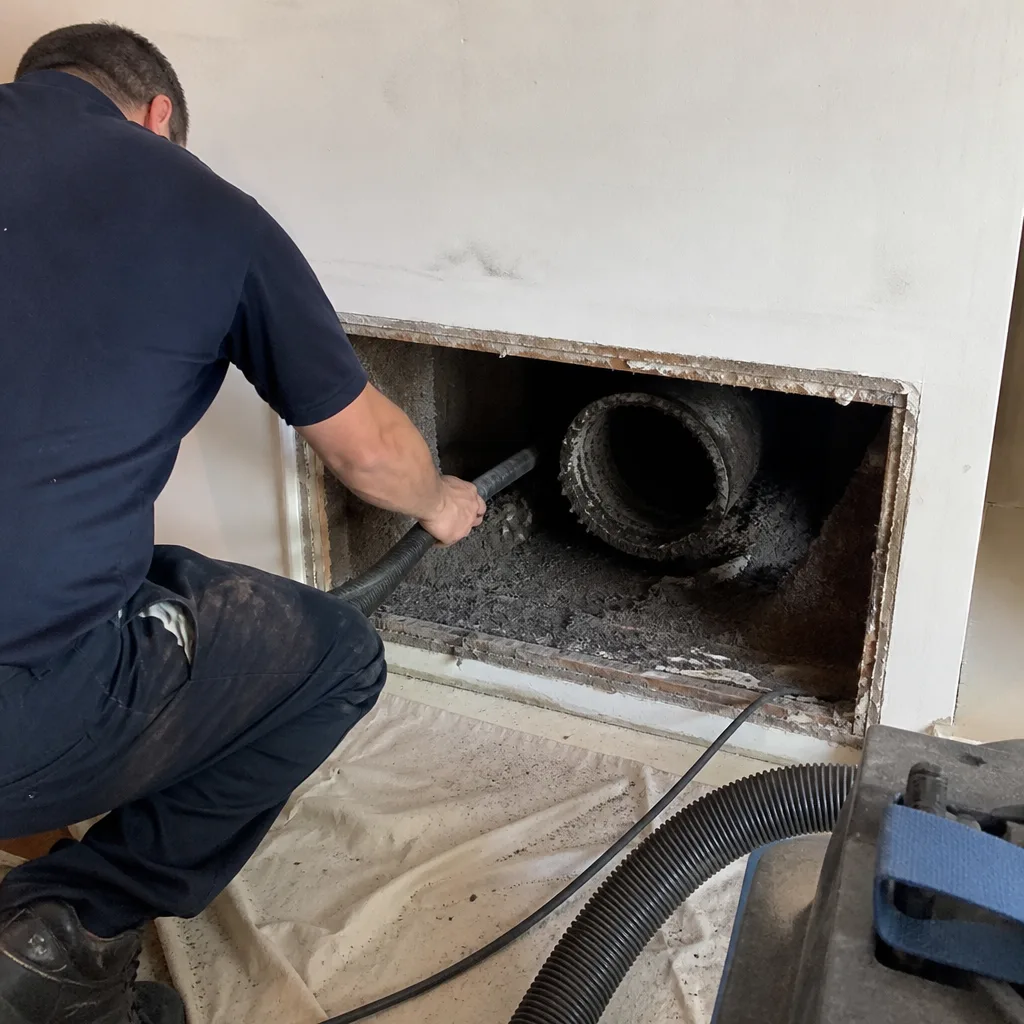
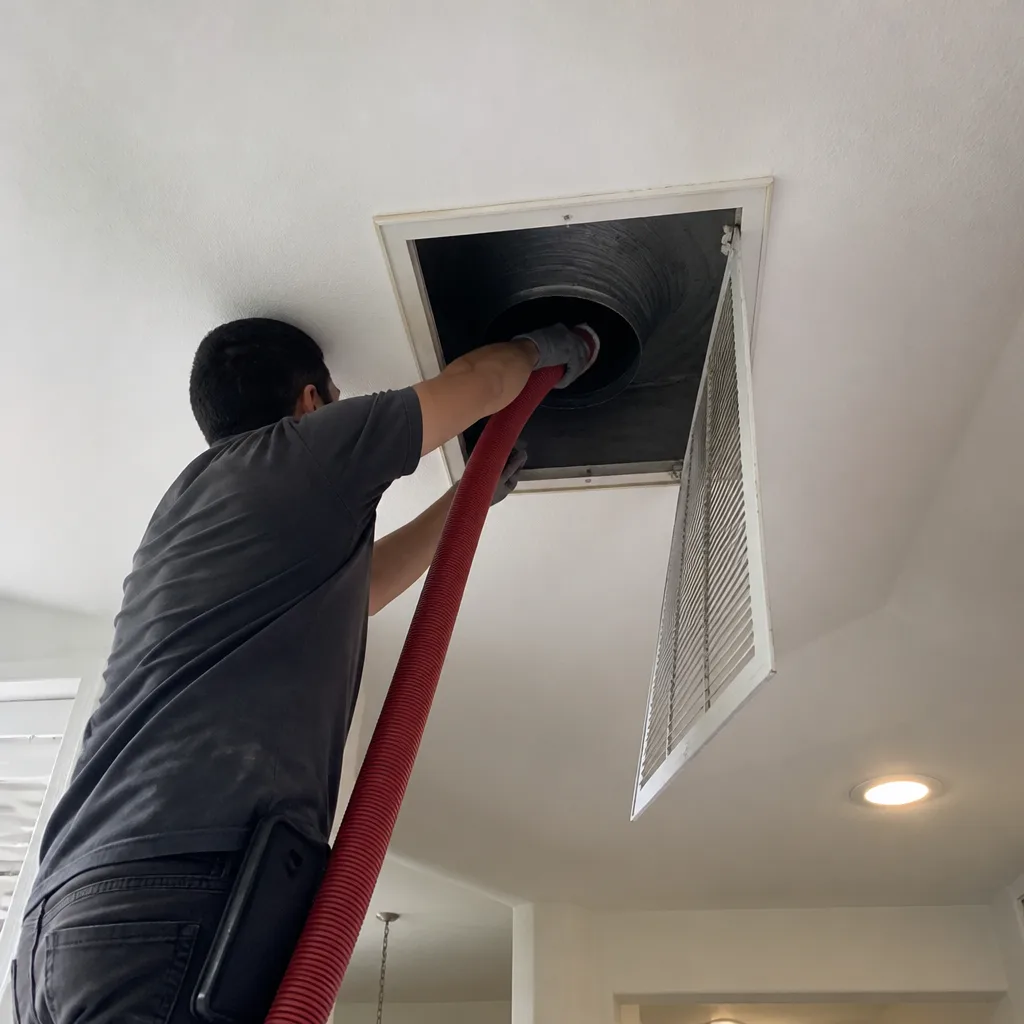
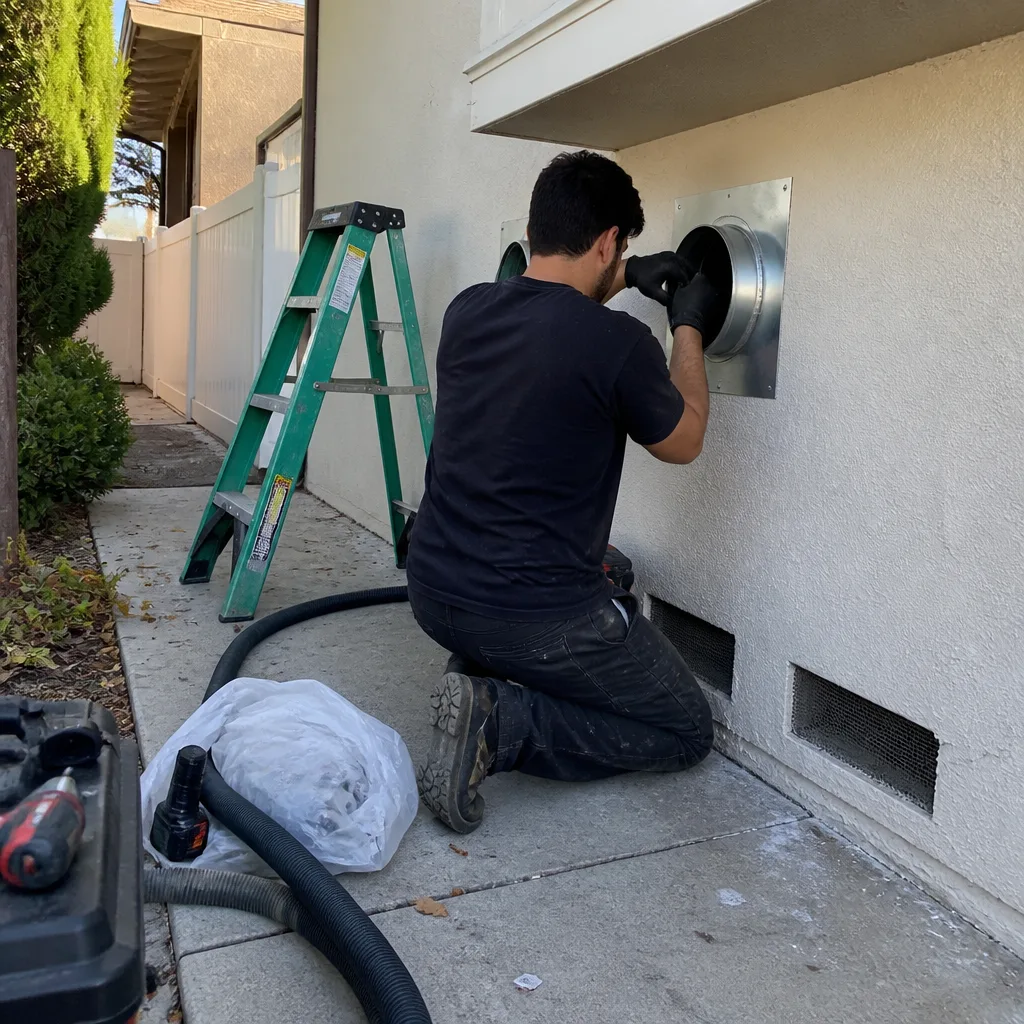
Whole-system duct and dryer vent check with before-and-after photos - you see exactly what came out of your vents
That "$99 whole-house special" is a bait ad - the real number appears once they are in your hallway, or the "clean" is a shop-vac at the register. We photograph the inside of your ducts before and after instead.
Seasonal Air Duct Cleaning Care for Orange County: Year-Round Homeowner’s Guide
Most national air duct cleaning advice assumes you live somewhere with four actual seasons: falling leaves in October, snow in January, pollen in April. Orange County doesn’t work that way. We don’t get a break from air quality concerns when summer ends. Instead, we get four distinct air events each year: the Santa Ana winds, the marine layer, peak AC season, and post-fire ash settlement. Each one pushes a different type of contaminant into your ductwork, and each one asks something different of your HVAC system. This guide walks through what actually happens in Orange County air, month by month, and what to do about it so the air inside your home stays cleaner than the air outside. If you’ve ever wondered whether duct cleaning in Orange County follows a different calendar than the rest of the country, the answer is yes, and it’s not even close.
Quick Answer
Orange County homeowners should schedule professional Air Duct Cleaning around four specific seasonal triggers rather than a generic 3-to-5 year national average: after Santa Ana wind events in fall, before the marine layer settles in late spring, after peak summer AC runtime, and following any wildfire smoke intrusion. For most OC households with kids or pets, that works out to a professional cleaning every 2 to 3 years, with high-efficiency filter changes every 30 to 60 days during fire season and peak cooling months. Households with asthma or allergy sufferers should compress that schedule to every 18 to 24 months and upgrade to pleated filters rated MERV 11 or higher during Santa Ana season.
Styles & brands we work with
Table of Contents
- Spring in Orange County: Marine Layer, Mold Risk, and the Pollen Window
- Summer in Orange County: Peak AC Runtime and Filter Loading
- Fall in Orange County: Santa Ana Winds and Wildfire Smoke
- Winter in Orange County: Post-Fire Ash Settlement and the Rain Gap
- Signs Seasonal Events Have Pushed Contamination Past Filter Maintenance
- How to Protect Ductwork During Red-Flag Fire Days
- Seasonal Duct Care for Families with Asthma and Allergies
- Common Mistakes to Avoid
- When to Call a Professional
- Frequently Asked Questions
Key Takeaways
- Orange County has four distinct air quality seasons, and each deposits a different contaminant type inside ductwork.
- Santa Ana winds push fine particulate matter through closed windows and into your HVAC system, even when you can’t see it.
- The marine layer raises indoor humidity, creating conditions where dust already inside ducts can become a mold-friendly environment.
- Peak summer AC runtime means your filter is doing more work than usual, and a loaded filter stops protecting your ducts.
- Wildfire smoke particles are smaller than typical household dust and require a different filter strategy during red-flag days.
- Professional duct cleaning in Orange County makes most sense right after a major seasonal air event, not on an arbitrary calendar date.
Spring in Orange County: Marine Layer, Mold Risk, and the Pollen Window
Spring in Orange County doesn’t look like spring in the rest of the country. We don’t get snowmelt or muddy thaw. What we get is the marine layer: that gray coastal blanket that sits over Irvine, Newport Beach, Laguna Niguel, and inland toward Mission Viejo from late May through early July, sometimes longer. The marine layer means cooler temperatures and higher relative humidity. For your ductwork, that humidity is the variable that matters most. Ducts that held fine dust through a dry winter now hold that same dust in a moist environment, and moist dust is where mold finds a foothold. You won’t see it happening, and you usually won’t smell it until it’s established.
Spring is also when Orange County’s non-native landscape wakes up. Jacaranda, eucalyptus, sycamore, and a long list of ornamental grasses release pollen that gets pulled into return vents every time a door opens. Pollen grains are larger and stickier than typical household dust. They cling to register covers, get caught in filter media, and accumulate on the inside of duct walls, especially in homes where windows are left open in the evening to catch the coastal breeze. We’ve pulled registers off in Tustin and Aliso Viejo in late May and found pollen caked onto the back side of the grille, which tells you exactly what’s also coating the ducts behind it.
The spring window for proactive duct care in Orange County is February through April, before the marine layer settles in. That’s when ducts are driest, the pollen load is still moderate, and any contaminants from winter have had a chance to settle but not yet react with seasonal humidity. If you wait until June, you’re asking a cleaning team to work in the muggiest conditions of the year, and you’re also asking your ducts to spend another two months holding whatever accumulated over winter.
For homes with pets, spring adds another layer because shedding season kicks in around March. Pet dander is lighter than pollen and behaves differently in the air stream. It gets pulled deep into return ducts and can collect in the main trunk line, where it mixes with humid air and becomes a distinctly OC problem. A home in Huntington Beach with two dogs and a marine layer doesn’t need the same spring schedule as a home in Anaheim Hills with no pets and better airflow. Cedarwell Care Promise visits include shoe covers and drop cloths, which matters in spring because that damp pollen dander mix tracks indoors easily on shoes and paws.
Our recommendation: late February or March for a professional air duct cleaning in Orange County if your home sits west of the 405 or within five miles of the coast. Inland homes can push to April. If your household includes someone with spring allergies, earlier is better.
Summer in Orange County: Peak AC Runtime and Filter Loading
Summer is the season most Orange County homeowners think of first when they think about air ducts, and for good reason. From July through September, your air conditioning system runs daily, sometimes for 10 to 14 hours at a stretch during heat waves. That’s more air moving through your ducts in three months than in the entire rest of the year combined. Every cubic foot of that air carries whatever is floating in your home, and the filter is the only thing standing between that air and the inside of your ductwork. Homes in Anaheim, Santa Ana, and Fullerton, which run hotter than coastal cities, can see filters load up twice as fast in August as they do in December.
A loaded filter does two things. First, it restricts airflow, which makes your AC work harder and costs you more in electricity. Second, it can start to bypass. Air takes the path of least resistance, and when a filter is clogged, some of that air finds its way around the filter frame and into the system unfiltered. That’s when fine dust starts accumulating on the cooling coil and inside the ductwork itself. It’s also when you might notice a fine coating of dust on furniture even though you dusted two days ago.
Summer filter strategy for Orange County: check your filter every 30 days during July, August, and September. If you’re using a standard 1-inch fiberglass filter, replace it monthly during peak cooling months regardless of what the packaging says. If you’ve upgraded to a pleated filter, use a MERV 8 or higher and check it monthly. Homes with shedding pets, open windows at night, or construction nearby should plan on 30-day changes. A Honeywell or Aprilaire media filter can stretch to 6 months, but only if the system was designed for it and only if you’re not in the middle of fire season.
Summer is also when duct leaks matter most. Orange County attics can reach 130 degrees in August. That hot attic air gets pulled into any small gap in return ducting, which means your system is cooling air that was just heated. It also means attic dust, insulation fibers, and whatever else lives up there can enter the air stream. If you notice one room that never cools properly while others do, or if your energy bill spikes without a change in usage, duct leakage is worth investigating. A professional check during the summer cooling season catches what no amount of filter changing ever will.
And if your summer routine includes open windows in the evening, remember that Fremont and Aliso Viejo evenings bring in pollen, dust, and road particulate along with that nice cool air. Every open window is an unfiltered intake. You don’t need to stop doing it. You just need to account for it in your filter schedule.
Fall in Orange County: Santa Ana Winds and Wildfire Smoke
If there’s one season that defines Orange County air quality in the national imagination, it’s fall. Santa Ana winds start picking up in October and can run through November. These winds originate inland, in the high desert, and push toward the coast at speeds that regularly exceed 40 mph, gusting much higher through the canyons. They pick up fine particulate matter from dry riverbeds, construction zones, and the 91 freeway corridor, and they force it through the smallest gaps in your home: weep holes, window seals, door thresholds, attic vents. The air outside turns hazy even without a wildfire, and that fine particulate matter ends up in your return ducts.
Wildfire smoke makes it worse. By the time you smell smoke inside your Orange County home, smoke particles have already entered your HVAC system. Smoke particles are incredibly small, many in the sub-micron range. Standard fiberglass filters, the kind most homes have, do almost nothing to stop them. They pass through the filter media, travel through your blower, and coat the inside of your ductwork. Once there, they’ll stay until the ducts are cleaned. The smoke smell can linger for weeks or months after the fire is out because the particles that produce the odor are sitting inside your system, not just in the air.
We hear the same story every fall from homeowners in Yorba Linda, Orange, and Villa Park, where canyon winds hit hardest. They changed the filter, they ran the fan, they wiped down surfaces, and the smoke smell still comes back every time the AC kicks on. That’s the ductwork holding onto the smoke. A filter change won’t fix it. The ducts need to be cleaned, and fall is exactly when to do it.
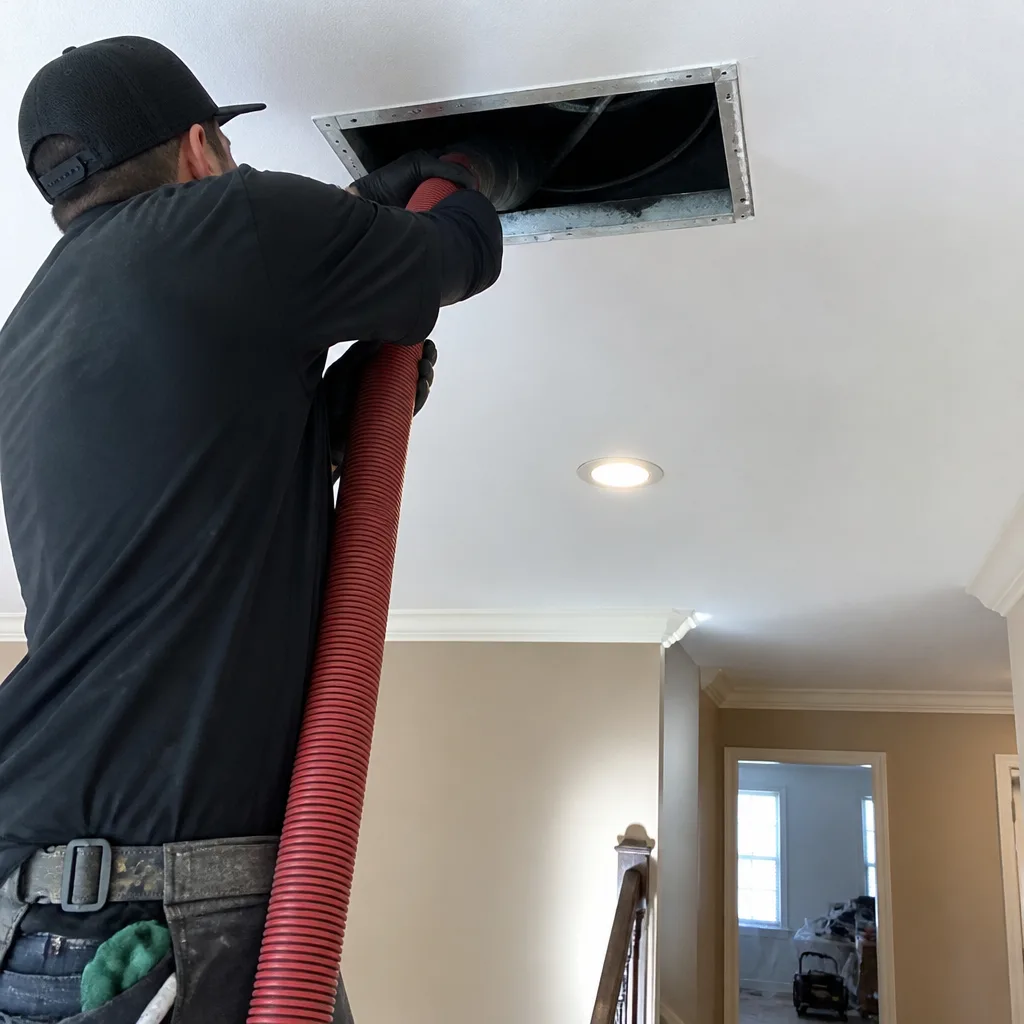
When should you schedule a post-wind cleaning? Not the day after the first Santa Ana event, because another one is likely coming. Wait until the first significant wind event or smoke exposure of the season has passed, then schedule a cleaning. For most Orange County households, that’s late October through November. This is the single highest-impact cleaning of the year for homes near the 91, 55, and 241 corridors, and for any home that’s had smoke intrusion. The residue left behind by Santa Ana winds and smoke is exactly what a professional air duct cleaning in Orange County addresses with equipment made for the job. Rotobrush and Nikro systems agitate what’s clinging to the duct walls and extract it, rather than just pushing air past it.
One thing most guides won’t tell you: Santa Ana winds also dry out the inside of your ducts dramatically. Relative humidity can drop into single digits in some Orange County neighborhoods during these events. That ultra-dry air bakes accumulated dust onto duct surfaces, which makes it harder to remove later. Cleaning shortly after the season is both easier and more effective than waiting until next spring.
Winter in Orange County: Post-Fire Ash Settlement and the Rain Gap
Winter in Orange County is the season everyone forgets about in air quality conversations, because it looks quiet from the outside. No winds, no smoke, no pollen. But winter is when everything that moved through the air in fall finally settles. Ash from October and November fires doesn’t stay airborne forever. Gravity pulls it down onto horizontal surfaces, and that includes the horizontal surfaces inside your ductwork: the bottom of the main trunk line, the insides of branch ducts, the spaces around register boots. If you didn’t clean after fire season, all of that material is now sitting inside your system, waiting to be stirred up the next time you run the heat.
Winter is also when Orange County finally gets its occasional rain. Rain is good for air quality outdoors. It washes particulates from the air and settles dust on the ground. But rain also raises relative humidity indoors, especially in homes where windows stay closed all winter to keep the cold out. High indoor humidity plus ash residues from fall creates the same dynamic we described for spring, but with different chemistry. Ash is alkaline. Combined with moisture, it can produce a corrosive environment on metal duct surfaces, especially galvanized steel components. That’s not an immediate health concern, but over repeated fire seasons, it contributes to duct degradation. Cleaning after a fire season is also a durability practice, not just an air quality one.
Our recommendation: if you cleaned your ducts in fall, winter is a maintenance season. Change your filter on schedule, run your fan on low during rain events to keep air moving, and check your registers for visible dust buildup once a month. If you didn’t clean in fall, winter is your second chance, and a good one. December and January are typically the slowest months for air duct cleaning in Orange County, which means more scheduling flexibility for families. It also means you go into spring with a clean system, ahead of the marine layer instead of behind it.
Signs Seasonal Events Have Pushed Contamination Past Filter Maintenance
Filters catch a lot, but they don’t catch everything, and they were never designed to clean your ducts. They protect your equipment. Once in a while, you’ll need to look past the filter and ask whether the ducts themselves have reached a point where seasonal contamination has outrun routine maintenance. Here’s what that looks like in Orange County homes.
- Dust returns within 48 hours of cleaning. If you dust on Sunday and by Tuesday the same surfaces have a visible film, the dust is coming from your vents, not from outside. This is the most common sign we hear from homeowners in Irvine and Lake Forest.
- The smoke smell persists weeks after a fire event. Air purifiers and open windows clear room air. They don’t clear what’s inside the duct walls. If the smell returns when the system turns on, the source is the system.
- Registers show visible buildup. Take a damp paper towel and wipe the inside of a register cover. If it comes back gray or black, that’s material from inside the duct system, not just surface dust.
- Allergy symptoms are worse inside than outside. If someone in the house feels better on the patio than in the bedroom, the indoor environment is the problem, and the HVAC system is its distribution network.
- Your filter loads up in weeks, not months. A filter that goes from white to clogged in two to three weeks during a normal season is telling you the system is pulling from a contaminated source.
- Airflow from vents feels weak even after a filter change. Obstructions inside branch ducts, often from accumulated dust and pet hair, don’t show up on the filter. They show up as reduced airflow at the register.
Any one of these signs is worth a professional look. More than one, and a cleaning is likely overdue. In Orange County, where the seasonal air events are as predictable as the calendar, waiting for multiple signs usually means waiting too long.
How to Protect Ductwork During Red-Flag Fire Days
Red-flag days are the Orange County equivalent of a blizzard warning. The National Weather Service issues them when low humidity, high winds, and dry vegetation combine to create extreme fire conditions. They’re common in October and November, and increasingly in early December. During these days, the air outside is loaded with fine particulate matter even if no fire is actively burning nearby. What you do with your HVAC system during a red-flag day matters more than what you do after it.
- Run the fan, not the fresh air intake. Set your thermostat fan setting to “On” rather than “Auto.” This keeps air circulating through the filter even when the system isn’t heating or cooling. Do not use any fresh air intake feature if your system has one. You don’t want outside air coming in unfiltered.
- Upgrade your filter before the winds hit. If you’re still using a basic fiberglass filter, red-flag season is the time to switch to a pleated filter with a MERV 11 or higher rating. Brands like Honeywell and Aprilaire make pleated filters that fit standard 1-inch slots. Check the arrow direction when installing.
- Close windows and doors, including garage doors. Every opening is an active intake during high-wind events. Even the gap under an exterior door can bring in measurable particulate matter during a Santa Ana event.
- Check your filter every few days during the event. Red-flag days can load a filter in a week. If you see significant discoloration, replace it. A loaded pleated filter won’t just stop catching particles; it will force your system to work harder, which increases energy use.
- Run a standalone air purifier if you have one. A room purifier with a HEPA filter catches what your HVAC filter misses. It doesn’t replace duct care, but it reduces the total load entering the system.
- After the event, check your registers and replace the filter. Even if the filter looks okay, replace it after a significant red-flag period. Fine particulates quickly clog filter media to a point where it’s no longer effective, even if it doesn’t look dramatically dirty.
A note on safety: changing a filter is a routine job most homeowners can do. Anything beyond that, like opening the air handler cabinet or working around electrical components, should be handled by a trained professional. We say that not to scare you, but because we’ve seen what happens when a homeowner with good intentions opens a panel and dislodges a wire or leaves a fastener loose. It’s not worth the risk.
Our Mortons Air Duct Orange County home page and dryer vent cleaning in Orange County guide both cover indoor air quality in more detail. But the short version for red-flag days: filter up, fan on, windows closed, and clean after the season ends.
Seasonal Duct Care for Families with Asthma and Allergies
If someone in your home has asthma or significant seasonal allergies, the standard Orange County duct care calendar doesn’t apply the same way. The threshold for what counts as acceptable indoor air quality is lower, and the consequences of airborne irritants are higher. We’ve worked in homes across Mission Viejo, Rancho Santa Margarita, and Costa Mesa where a child’s allergy symptoms tracked closely with what was happening at the registers, not with the pollen count outside. Closed windows and a clean filter weren’t enough. The ducts themselves had become an indoor allergen source.
Here’s what we recommend for Orange County households with asthma or allergy sufferers:
- Clean ducts every 18 to 24 months, not every 3 to 5 years. The national averages were not written for Santa Ana smoke season or marine-layer humidity, and they weren’t written for homes where a layer of duct dust means a bad week for a child.
- Use a MERV 11 or MERV 13 pleated filter year-round. Higher-efficiency filters catch more pollen, more smoke, and more dander. As long as your system can handle the added resistance, which most newer systems can, it’s a straightforward upgrade. Guardsman and Honeywell both produce reliable options in this range.
- Schedule cleanings with the OC seasonal calendar, not with symptoms. If you wait until symptoms show up, the exposure has already happened. Spring cleaning in March, before the marine layer and pollen peak, and fall cleaning in November, after Santa Ana winds wrap, puts you ahead of the problem.
- Pay attention to bedroom registers. Allergy sufferers spend the most hours in one room. If register covers in that room show dust buildup, that room’s ducts may need targeted attention.
- Ask about your dryer vent too. A clogged dryer vent doesn’t just reduce airflow; it can push lint and moisture back into the laundry room, and that moisture can affect nearby ductwork. A dryer vent cleaning in Orange County makes sense once a year for family homes regardless of the main duct schedule.
We don’t tell families to clean their ducts more often so we can bill more. We tell them because we’ve seen the difference in specific houses, in specific neighborhoods, with specific seasonal triggers. Orange County air is what it is. The question is what you do with the air that reaches your home.
Common Mistakes to Avoid
- Following the 3-to-5 year national average without adjusting for Orange County conditions. That guideline assumes a climate without Santa Ana winds, marine-layer humidity, or wildfire smoke intrusion. All three change the math. Most OC homes benefit from a 2-to-3 year schedule, sooner with pets or allergies.
- Using discount coupons as the primary decision factor. The air duct cleaning industry has a reputation problem for a reason. Low teaser prices often turn into big invoices once the crew is inside the house. A written quote before work starts tells you what you’re actually paying. Paul Adeyemi and the team at Mortons provide that on every visit, no exceptions.
- Running the HVAC fan on a red-flag day with an old fiberglass filter. Running the fan helps, but only if the filter can actually catch what’s in the air. A cheap filter in a Santa Ana event means you’re actively circulating unfiltered smoke particles through the house.
- Cleaning at the wrong point in the seasonal cycle. Cleaning in early October, right before the worst winds and any possible fire smoke, means paying twice if the season turns bad. Wait until the first major event has passed, then clean once and go into winter clean.
- Thinking the marine layer only affects outdoor air. The marine layer is an indoor humidity event. It raises the moisture levels in your home and inside your ducts. If your ducts are already holding dust and dander, you’ve created the conditions for mold growth over the course of a spring.
- Ignoring dryer vents while focusing on air ducts. These are different systems with different schedules, but they impact each other. A loaded dryer vent adds moisture and lint to the laundry area, which can affect nearby duct work and indoor air quality.
- Assuming the smoke smell will go away on its own. It won’t, not entirely. Smoke particles trapped in ductwork can produce odor for months. The fix is cleaning the ducts, not masking the smell with sprays or air fresheners.
When to Call a Professional
Some seasonal duct issues you can handle on your own: filter changes, register wiping, keeping windows closed on high-wind days. But there are specific situations where the right move is to bring in a professional with the right equipment and the right process. If you’ve had a smoke intrusion event you could smell inside the house, if dust returns within days of cleaning surfaces, if your allergy symptoms are worse in specific rooms, or if your registers show visible buildup, schedule a cleaning. If you can’t remember the last time your ducts were cleaned and you’ve lived in your Orange County home for three or more years, the same applies. Mortons Air Duct Orange County offers free estimates anywhere in Orange County. Call (831) 244-9367 and you’ll get a live person on the phone, a written price before any work starts, and a crew that arrives with shoe covers, drop cloths, and professional equipment from Rotobrush and Nikro. Not a chatbot. Not a voicemail. A person who can answer your questions.
Frequently Asked Questions
Air Duct Cleaning Cost Breakdown: The Orange County Homeowner’s Reference for 2026 - for a typical single-family Orange County home, expect $350 to $650 for the full system, depending on home size, number of returns, and contamination level. Larger homes with multiple zones or long duct runs run higher. The key is getting a written price before work starts, so you know exactly what you’re paying. Call (831) 244-9367 for a free estimate specific to your home.
Deep discount quotes usually cover a partial job, a bait-and-switch situation where the final invoice looks nothing like the coupon price. Some companies price per vent and then expand the scope once they’re inside. Others use entry-level equipment that doesn’t actually remove what’s on the duct walls. A legitimate quote covers the whole system, in writing, before the crew starts. If the price seems too good to be true for what you know about your home, it usually is.
Most Orange County households should plan on professional air duct cleaning every 2 to 3 years, timed to the seasonal calendar rather than an arbitrary interval. Our Air Duct Cleaning Maintenance Checklist for Orange County Homeowners maps out the full year. Homes with pets, kids, or family members with allergies should consider every 18 to 24 months. Homes near the coast with marine-layer humidity should clean before the spring humidity peak. Homes in canyon or freeway-adjacent neighborhoods should clean after fall wind and fire season.
Ask for before-and-after photos of the inside of your ducts. A professional crew with the right equipment can show you exactly what was removed. You should also be able to see clean register covers, a spotless work area, and no dust left behind around vents. At Mortons, we include a photo of the clean-up before the crew leaves, so you have visual proof the job was finished to the standard we promise.
Yes. The marine layer raises outdoor humidity, and that humidity moves indoors every time you open a door or window. Once inside, it circulates through your return vents and into the duct system. Dust that was harmless when dry can become a mold-friendly environment when moist. It takes time, which is why spring cleanings before the marine layer forms make so much sense in coastal Orange County neighborhoods.
You can, and for many families it’s the most convenient approach. Dryer vents and air ducts are separate systems, but they both affect indoor air quality and they both need periodic cleaning. Dryer vents typically need attention once a year, especially if you do a lot of laundry, have pets, or have a long vent run to an exterior wall. Cleaning both on the same visit is efficient and often saves you a second scheduling phone call.
The Bottom Line
Orange County doesn’t do seasons the way the rest of the country does, and your air duct care shouldn’t either. The Santa Ana winds of fall, the marine layer of late spring, the heavy AC runtime of summer, and the quiet ash settlement of winter each demand a different response. The pattern is clear: clean in late fall after the winds, clean again in late winter or early spring before the humidity builds, maintain filters aggressively during summer and red-flag days, and watch for the signs that seasonal contamination has outrun your routine. Families with kids, pets, or allergy concerns carry a tighter schedule. The goal isn’t more cleaning, it’s cleaning at the right times for the air you actually breathe in Orange County. For more guides & resources, visit our blog. Written by Paul Adeyemi, Owner at Mortons Air Duct Orange County, serving Orange County since 2005.
See the difference
 Before
 After
After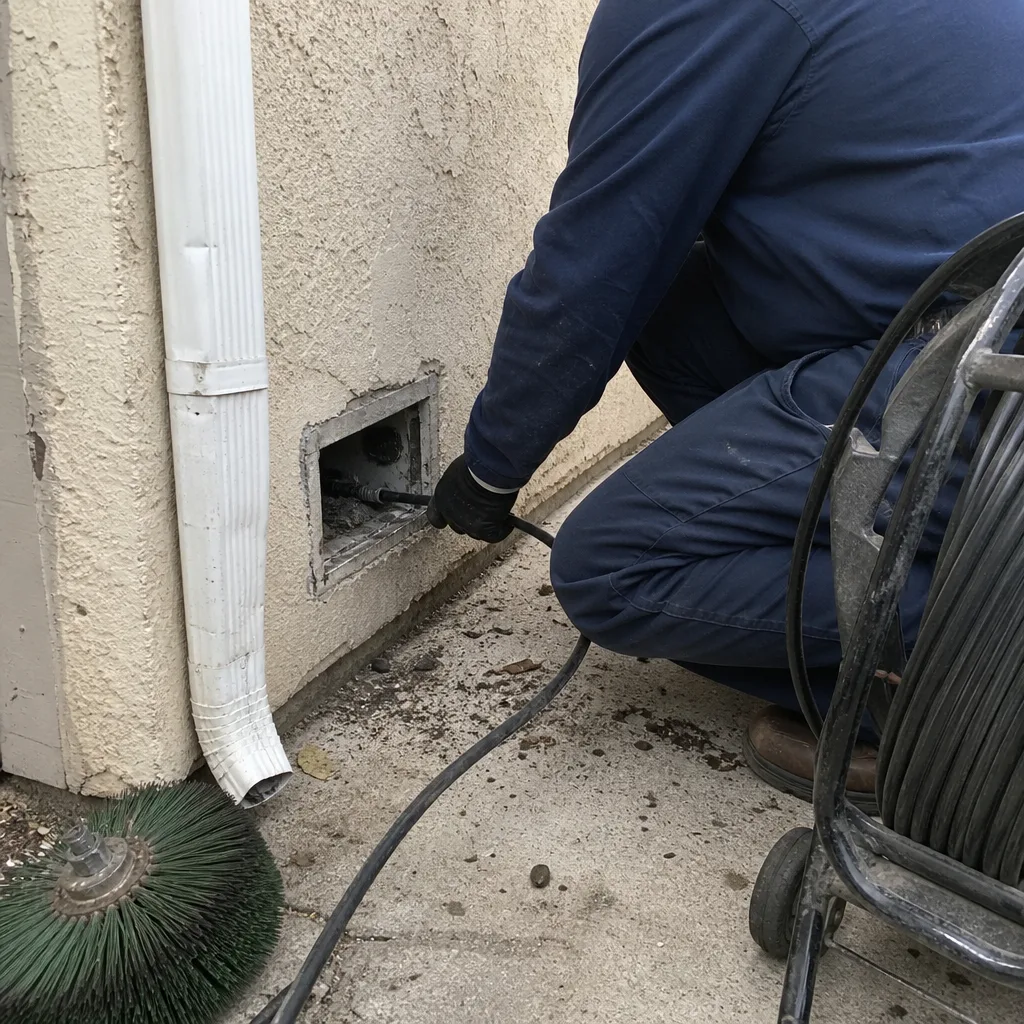 Before
 After
After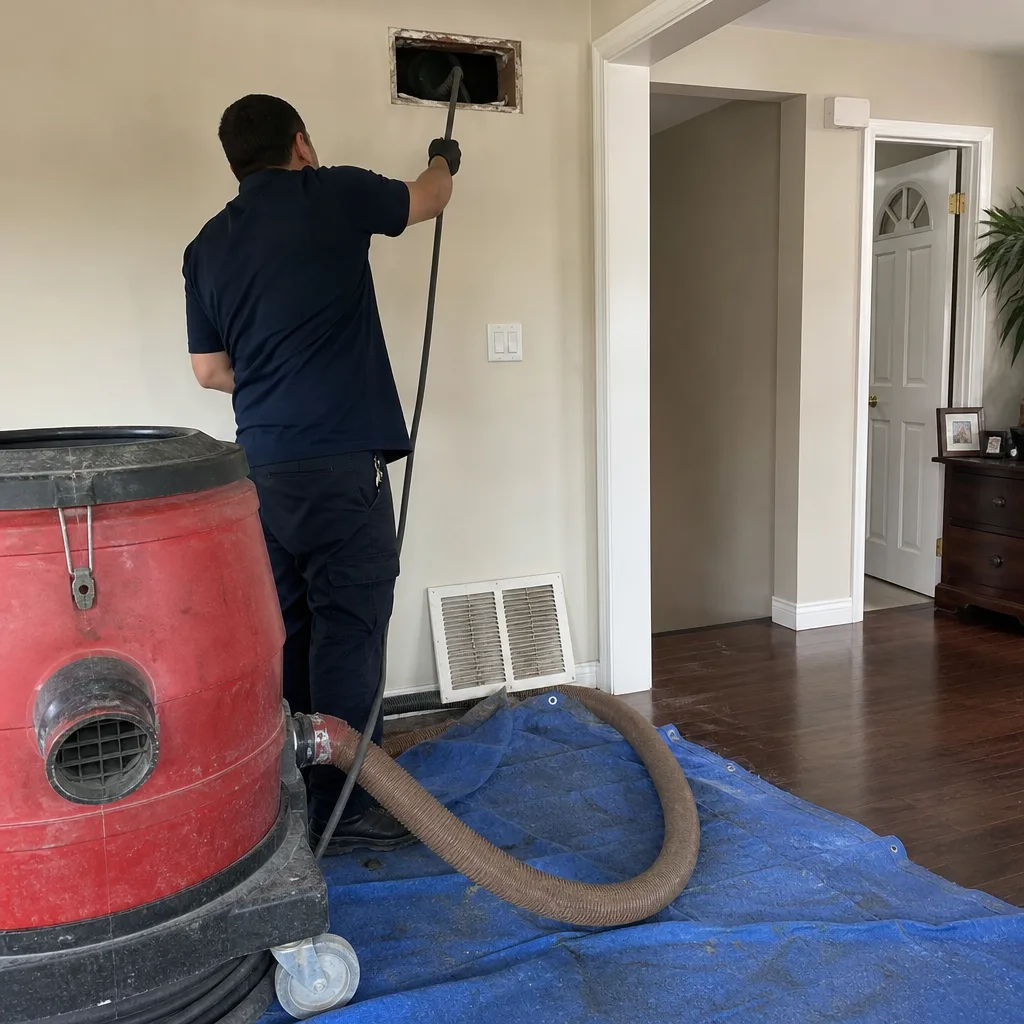 Before
 After
After