
Last updated October 15, 2026
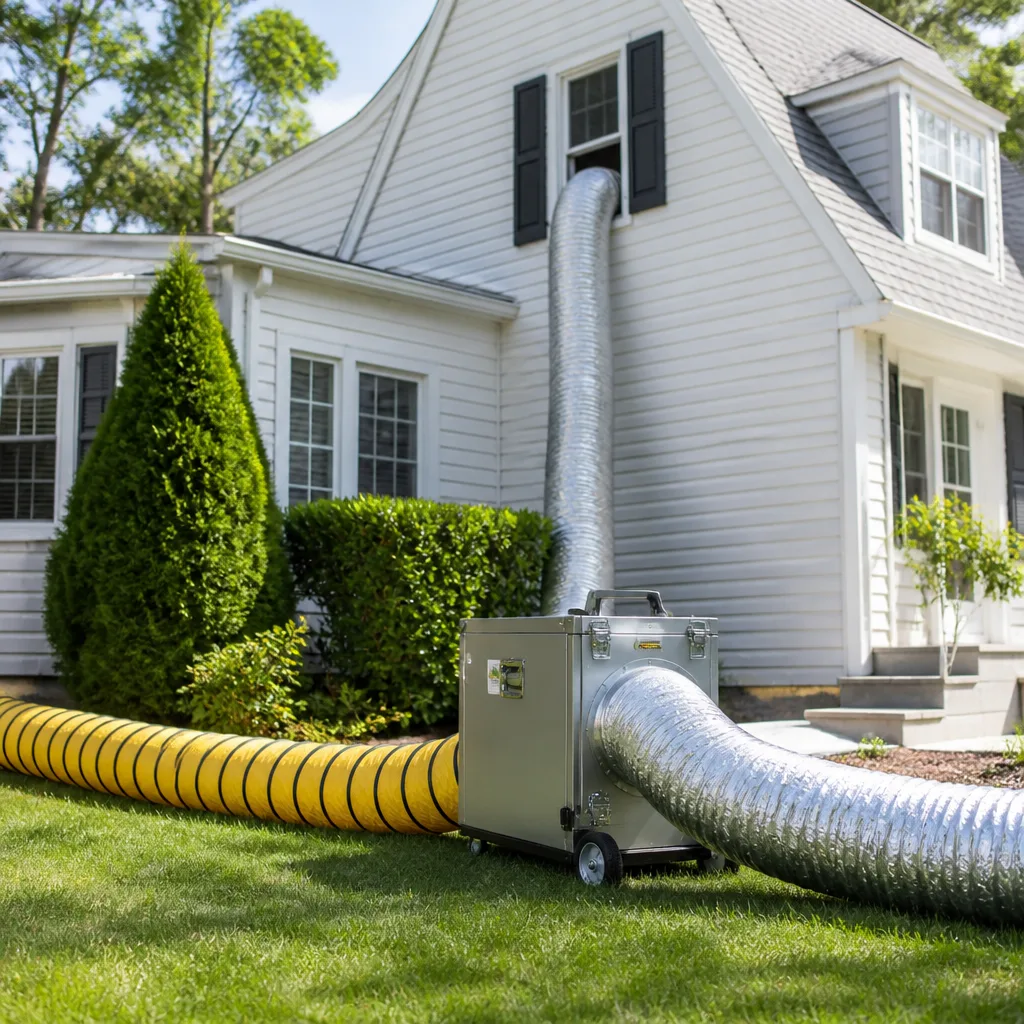 Whole-home duct cleaning
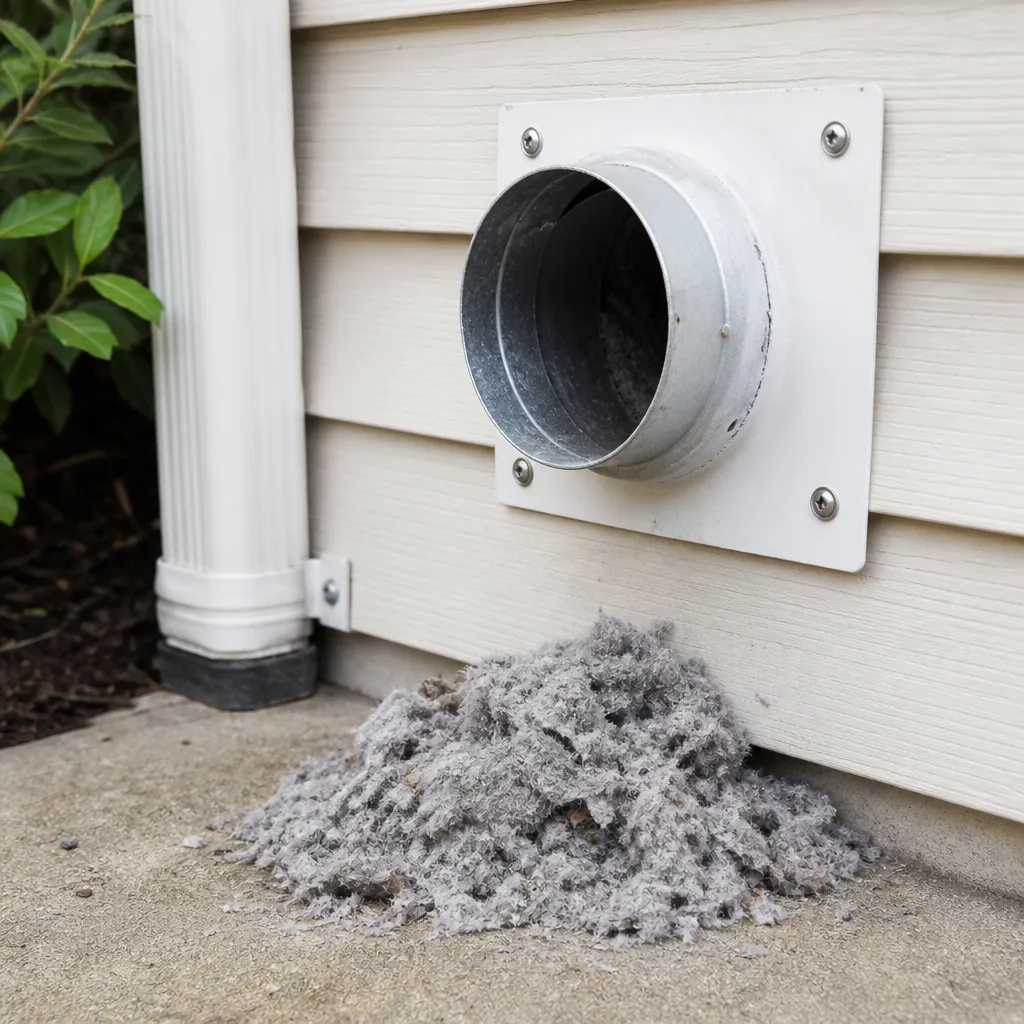 Dryer vent cleaning
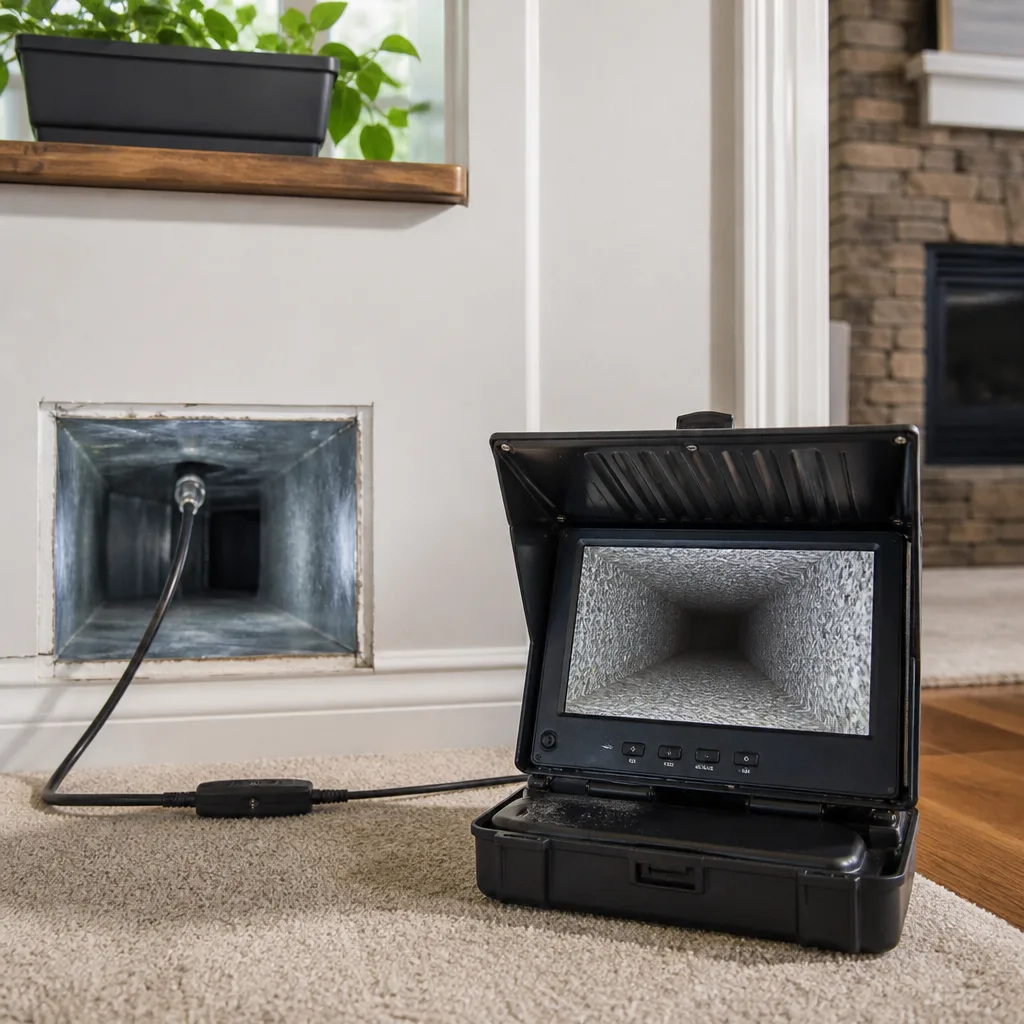 Camera inspection
 Sanitizing & deodorizing
Whole-system duct and dryer vent check with before-and-after photos - you see exactly what came out of your vents
That "$99 whole-house special" is a bait ad - the real number appears once they are in your hallway, or the "clean" is a shop-vac at the register. We photograph the inside of your ducts before and after instead.
Air Duct Cleaning Maintenance Checklist for Orange County Homeowners
Most people don’t think about their air ducts until something goes wrong. A weird smell. A room that never cools down. A dust layer that reappears two days after wiping. But here’s what we’ve learned after nearly two decades working in Orange County homes: the homeowners who spend the least on duct repairs are the ones who spend ten minutes a month paying attention to their system. The most useful thing you can do for your ductwork costs nothing: stand near each register for 10 seconds every month. Most homeowners never do it, and that’s exactly how a collapsed flex duct goes unnoticed for three years. This guide gives you a monthly observation routine, a simple logging habit, and a clear line between what’s safe to handle yourself and what needs a professional’s judgment.
Styles & brands we work with
Quick Answer
Air duct maintenance in Orange County comes down to a monthly 10-minute observation routine: check airflow at each register, inspect visible dust rings around vent covers, photograph your filter to track how quickly it darkens, and sniff near returns for musty or burning odors. Log what you notice in a simple note or photo file, swap filters every 30 – 60 days depending on pets and wildfire season, dust registers and returns with a vacuum brush attachment, and call a professional for Air Duct Cleaning services every 3 – 5 years or sooner if any observation turns up something unusual.
Table of Contents
- The Monthly Observation Checklist (No Tools Required)
- Filter Replacement: What Orange County Homeowners Actually Need
- How to Log What You Notice (So a Technician Can Compare)
- Which Maintenance Tasks Are DIY-Safe and Which Are Not
- Building a Home File: Photos, Receipts, and Filter Specs
- How Orange County’s Climate and Geography Affect Your Ducts
- Seasonal Notes for OC Homes: Wildfire Smoke, Santa Anas, and June Gloom
- Common Mistakes to Avoid
- When to Call a Professional
- Frequently Asked Questions
- The Bottom Line
The Monthly Observation Checklist (No Tools Required)
This checklist works because it takes about ten minutes and requires nothing but your eyes, your hands, and your nose. Set a recurring phone reminder for the first Saturday of each month. Walk the house in the same order every time. That consistency matters more than you’d think: when you check the same registers in the same sequence month after month, changes jump out at you.
- Stand at each register for 10 seconds. Feel the airflow with your hand about six inches from the vent. Compare rooms to each other. If the bedroom over the garage feels noticeably weaker than the living room, that’s a signal worth noting. In Irvine and Mission Viejo homes with two-story floor plans, we regularly see upstairs registers running significantly weaker than downstairs ones because of long flex-duct runs through hot attics.
- Look at the register cover itself. Dark gray dust rings around the louvers mean particles are escaping around the filter or the filter is undersized for the return. A thin, even dust layer is normal. Thick black buildup around the edges is not.
- Check the filter. Pull it out. Hold it up to a light. If you can’t see light through it, it’s been overdue. Take a photo before you swap it so you have a record of how dark it got at that interval.
- Listen. Turn on the system and stand near the air handler (usually in the garage or a closet). You should hear a steady hum. Rattling, whistling, or a periodic thumping sound are worth investigating. A whistling register often means a damper was closed too far or a piece of furniture is blocking airflow.
- Smell. Walk to the return vent and take a deliberate sniff. Clean ducts smell like nothing. Musty or earthy smells signal moisture somewhere in the system, which is more common in coastal Orange County cities like Huntington Beach and Newport Beach where humidity creeps higher. A burning or hot-dust smell when the heat kicks on for the first time in November is common but still worth noting.
- Scan for visible duct segments. In most OC homes, you can see some ductwork in the garage or attic. Flex ducts should look round and taut, not sagging or kinked. If you see foil tape peeling at a connection, that’s a small fix now versus a big leak later.
None of this requires opening walls or touching anything dangerous. It’s all observation. And observation is what catches the small stuff: a tear in a flex duct, a disconnected register boot, a return pulling air from an unconditioned garage because a seal failed. We’ve walked into homes in Anaheim Hills where a single bedroom hadn’t been properly conditioned for two years because a flex duct had collapsed in the attic and no one had noticed. The homeowner just thought that room ran warm.
Filter Replacement: What Orange County Homeowners Actually Need
Here’s the honest answer on filter intervals: the rating on the package is a starting point, not a rule. A filter labeled “90 days” assumes a clean environment with low foot traffic and no shedding pets. That’s not most Orange County homes we visit. In our experience, households with a dog or cat should plan on 45 – 60 days. Homes within a few miles of the 91, 55, or 5 freeway corridors, or near wildfire-prone hillsides in Yorba Linda, Silverado Canyon, or Trabuco Canyon, often need swaps every 30 days during bad air stretches. You can see the difference: take a photo each time and compare side by side across three months.
The filter’s job is protecting the equipment and keeping the air you breathe moving through a cleaner system. A clogged filter forces the blower to work harder, which shortens its life and pushes air through gaps around the filter. It also reduces airflow, which means rooms at the end of the run get less conditioned air. If you’ve ever noticed that the room farthest from the furnace is five degrees warmer in August, start by checking the filter.
What to look for when buying:
- MERV rating between 7 and 13 is the sweet spot for most residential systems. Higher MERV filters restrict airflow more, especially for older single-stage blowers. If a high-MERV filter is making your system whistle, drop back down.
- Exact size matters. Write the dimensions from the old filter (for example, 16x20x1 or 20x25x4) in a note on your phone or on the filter housing itself with a marker. Guessing at the store gets expensive.
- Pleated paper filters outperform flat fiberglass ones by a wide margin without the airflow penalties of ultra-high-efficiency options.
- Buy a multi-pack. Having replacements on hand means you swap them when they look dirty, not three weeks later when you remember to go to the hardware store.
If you have a media cabinet with a 4-inch or 5-inch filter, you have more flexibility. Those can often go 6 – 12 months, but the photo habit still applies. The filter tells you exactly what’s airborne in your house. When a Santa Ana-driven wildfire blankets Orange County in smoke, that filter will look terrible after two weeks. Replace it then, not on the schedule.
One filter tip most guides skip
Keep a permanent marker in the same drawer where you store filters. When you install a new one, write the installation date right on the cardboard edge. When a technician visits, they can read the history at a glance. It’s a tiny habit that makes your whole HVAC story legible.
How to Log What You Notice (So a Technician Can Compare)
Here’s why logging matters. When you call a professional for air duct cleaning in Orange County, most technicians start from zero. They arrive, inspect, and form their own baseline. But if you can hand them six months of observations, the visit becomes something else entirely. They’re not just assessing what’s there today; they’re comparing against what you’ve been seeing. That changes the quality of the diagnosis.
The simplest logging system we’ve seen in Orange County homes is a shared photo album on the homeowner’s phone. That’s it. Each month, snap three photos:
- The removed filter held up to a light
- The dirtiest register cover you noticed that day
- A close-up of any spot that looked unusual (a stain, a rust ring, a gap in the return)
If you prefer writing, a small notebook or a notes app entry works just as well. What matters is capturing the observation at the moment, not trying to remember three months later whether the living room register has always been this dusty. A handful of clients in Costa Mesa and Fountain Valley have shown us phone albums spanning two or three years of monthly photos. We can look at a filter photo from last October and know exactly what was happening that season. That’s information no inspection can recover after the fact.
Some things worth logging each month, in the same order every time:
- Date and filter photo
- Any room that felt warmer or cooler than the rest
- Any new sound (rattle, whistle, hum change)
- Any new smell, especially around returns
- Any outdoor events (Santa Ana wind, nearby construction, wildfire smoke)
The outdoor events matter more than most people realize. A stretch of heavy wind in Anaheim or Santa Ana stirs up fine dust that finds its way into homes. Paving work on a nearby freeway does too. When something changes in your indoor air, the cause is often outside. A log helps connect those dots.
Which Maintenance Tasks Are DIY-Safe and Which Are Not
There’s a clear line here, and it’s worth drawing it precisely. Some duct maintenance tasks are genuinely safe and smart for homeowners. Others will void equipment warranties, push debris further into the system, or create hazards you didn’t have before.
DIY-Safe Tasks
- Swapping the filter. The single highest-impact maintenance task, and it’s entirely within a homeowner’s reach.
- Vacuuming register covers and return grilles. Take the cover off, brush the louvers, vacuum the opening within arm’s reach. Use a brush attachment, not a bare hose. Replace the cover the same way it came off.
- Dusting the area around floor registers. Hair, pet fur, and household dust accumulate around floor vents. Sweeping or vacuuming around them weekly prevents that material from falling back in.
- Checking that furniture isn’t blocking returns. In many living rooms, a sofa drifts over a return vent within months of arranging furniture. Returns need open space to pull air.
- Keeping the air handler closet or area clear. The space around the furnace or air handler should stay clear of stored boxes, pet beds, and clutter. Restricted airflow around the unit reduces efficiency and makes the system work harder.
Tasks to Leave Alone
- Anything inside the ductwork beyond arm’s reach. Shoving a shop vac hose 15 feet into a supply trunk doesn’t clean the system; it pushes debris deeper and can damage flex duct interior liners.
- Removing or adjusting the blower. The blower motor and wheel inside the air handler are balanced and aligned. Pulling them out without the right tools and experience can damage the bearings or knock the wheel out of balance.
- Cleaning the evaporator coil yourself. Coils are fragile. Harsh chemical sprays or aggressive brushing can bend fins, create refrigerant leaks, and void manufacturer warranties. This is a professional task every time.
- Cutting access holes into duct trunks. Some online tutorials suggest cutting your own access port for inspection. That compromises the duct’s seal and creates exactly the kind of air leak you don’t want.
- Using ozone generators or “fogging” products. Unverified chemical treatments in ducts can leave residues and off-gas into living spaces. If a product doesn’t come from a known manufacturer and a trained technician doesn’t stand behind it, don’t put it in your ductwork.
And a safety note worth repeating: if you ever see wiring near ductwork or suspect anything electrical near the air handler, that’s a trained professional’s domain. A thorough Mortons Air Duct Orange County home inspection includes the mechanical conditions around the system, not just the inside of the ducts. But that inspection starts with eyes, not tools in the wall.
Building a Home File: Photos, Receipts, and Filter Specs
Here’s something almost nobody tells Orange County homeowners: your air duct maintenance history has real financial value. It matters when you sell the house. It matters if you file an insurance claim after wildfire smoke or water intrusion. It matters if a home warranty company asks whether the system was properly maintained before approving a repair.
Building a simple home file takes an hour to start and minutes a year to maintain. Here’s what to include:
- Filter size and brand. Write it down once and never guess again. Photograph the filter cabinet label too, because printed labels fade and peel.
- Receipts from every professional service. Cleaning, repairs, installs, coil service, dryer vent cleaning, everything. Receipts document a maintenance history, and maintenance history protects you in disputes.
- A chronological photo log. The same monthly photos you already take can live here. Export them once a year to a folder on a computer or cloud drive so you have a dated record.
- Any diagnosis notes from technicians. Did a tech mention a marginal capacitor, a small duct leak, or a blower that’ll need replacing in a few years? Write that down with the date. Future you will be glad.
- Warranty cards and model numbers. Keep the model and serial number of the furnace, air handler, and any accessories. Snap a photo of the data plate; don’t rely on paper.
When you sell, a clean maintenance file tells a buyer this home was cared for at the systems level, not just cosmetically. We’ve spoken with Orange County realtors who say a documented HVAC history meaningfully strengthens a listing in buyer-concerned markets. And when an insurance adjuster asks whether wildfire smoke damage to your ducts was pre-existing, a photo log showing clean filters in September and blackened ones in October is hard to argue with.
Keep the file wherever you already keep important home records. A labeled folder in a file cabinet is perfect. A digital folder on your computer works. The form doesn’t matter; the completeness does.
How Orange County’s Climate and Geography Affect Your Ducts
Orange County is not one climate. It’s at least three, bundled into 34 cities that share a freeway system and a housing market but not always the same air. That matters for your ducts.
Coastal communities like Seal Beach, Huntington Beach, and Laguna Beach deal with marine humidity that inland cities never see. In our experience, duct systems in coastal homes are more likely to show surface corrosion on registers and faster microbial growth in the presence of moisture. A musty smell near returns is more common close to the ocean, and it’s one of the first signs a duct cleaning or an airflow adjustment is overdue. For a fuller picture of what to watch for, see our Air Duct Cleaning Warning Signs: A Orange County Homeowner’s Reference Guide.
Inland cities such as Orange, Fullerton, and Santa Ana deal with heat. Attic temperatures in August routinely exceed 140 degrees. Flex ducts in those attics degrade faster than their coastal counterparts because the outer jacket and inner liner both age under extended heat. That’s why we see more collapsed or kinked flex ducts in inland OC attics, and why those homes benefit from a yearly visual check of any accessible duct runs.
Canyon and foothill areas like Silverado Canyon, Modjeska Canyon, Trabuco Canyon, and parts of Lake Forest and Mission Viejo add two more variables: heavier landscaping dust and wildfire exposure. During fire season, smoke infiltrates duct systems through returns, especially if the system runs during strong Santa Ana conditions. After a bad smoke event, a professional duct cleaning may be worth considering, and a filter swap is non-negotiable regardless of the ordinary schedule.
And then there’s the Orange County housing stock itself. Many homes built between the 1960s and 1980s in Anaheim, Garden Grove, and Westminster have original duct systems that are now four or five decades old. Duct sealing was not a widely practiced part of construction back then. Gaps at boots and connections are common, which means the system is pulling attic air or blowing conditioned air into walls. A homeowner walking the monthly checklist might notice that dust returns quickly after cleaning, and that’s often the first sign of leaky older ducts.
For homes with dryers, we also recommend a regular look at the dryer vent cleaning in Orange County schedule, since lint buildup is a separate but related air-quality and fire-safety concern. The checklist for dryer vents is its own document, but it belongs on the same annual calendar as duct maintenance.
Seasonal Notes for OC Homes: Wildfire Smoke, Santa Anas, and June Gloom
Orange County seasons don’t line up with what rest of the country experiences. We don’t get a deep freeze, but we do get six months of everything blooming, a stretch of Santa Ana wind events, a fire season that now spans nearly year-round in dry years, and the damp gray mornings of May and June. Each season changes what your system is pulling through it.
Wildfire Smoke (Typically August through November, but shifting)
When smoke settles over Orange County, your system’s filter is doing heroic work. But only if it’s clean. During smoke events, check the filter weekly even if you just swapped it. If it’s black after seven days, swap it again. The filter is sacrificial, and it will have done exactly what it was built to do. After a serious smoke stretch, visibly inspect registers and returns for soot staining. If the air coming out of the registers still smells like smoke a week after the skies cleared, the particulates may have settled inside the ductwork, and a professional cleaning becomes the fix rather than a nice-to-have.
Santa Ana Season (Mostly October through February)
Santa Anas bring two problems. First, they carry fine dust from the deserts and the mountains into every gap in every house. Second, they create negative pressure in homes, which pulls air through wall cavities and attics. That’s partly why some Orange County homes get noticeably dustier during wind events even with windows closed. During Santa Ana stretches, run your system fan more frequently, swap the filter more often, and brush off register covers that accumulate wind-blown dust outside before it falls in.
June Gloom (May and June)
Coastal homes get weeks of overcast, damp mornings. In our visits to Huntington Beach and Costa Mesa, we see more concern about musty odors in this season than any other. If your system smells damp in the morning but fine by afternoon, that’s marine moisture hanging around returns and the plenum. Running the fan a bit longer and keeping the filter dry change helps. If the smell persists through the day, that’s a call to a professional rather than a season quirk.
The Bloom (February through May)
Pollen season in Orange County is real, and it gets into ducts through the same returns everything else uses. After the spring bloom, a professional cleaning can make a difference for allergy-sensitive households. At minimum, upgrade to a higher-MERV filter for those months if you didn’t already have one in.
Common Mistakes to Avoid
- Ignoring the registers entirely. Most homeowners never look at their vents until one falls off the wall. The register is the window to the system. Use it.
- Assuming the filter lasts as long as the package says. Orange County dust load, pets, open windows, and freeway proximity all shorten real-world filter life. Trust the photo, not the marketing copy.
- Using the cheapest filter and calling it good. Flat fiberglass filters catch very little. A pleated MERV 8 or higher is the minimum we recommend for homes with pets, kids, or allergy concerns.
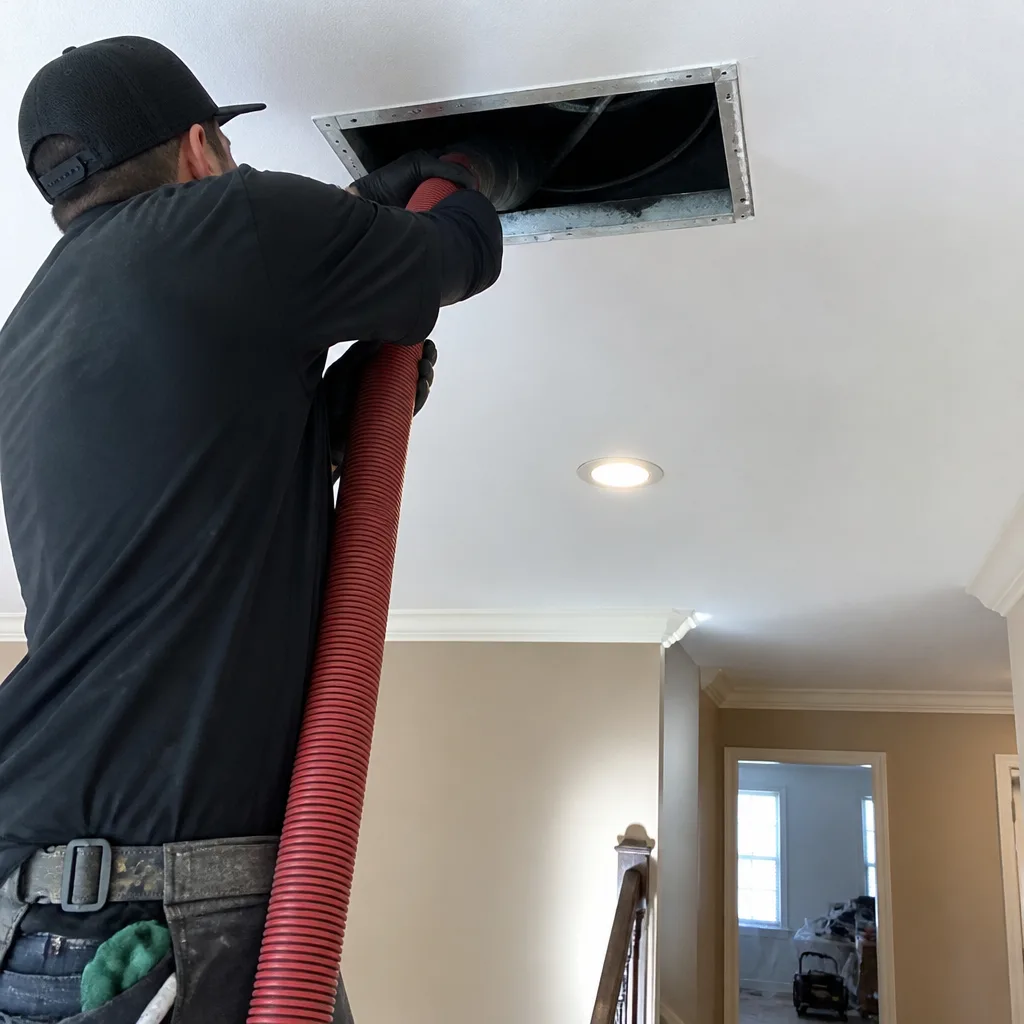
- Pushing debris with a shop vac into the ducts. You can’t clean a duct system from the register end without the right equipment and technique, and careless vacuuming makes things worse by blowing fine particles further in. Tools like Rotobrush and Nikro systems used by professionals reach what a homeowner’s shop vac never will.
- Letting one room stay hot or cold without investigating. Room temperature differences are usually an airflow issue, not an equipment issue. Small duct leaks and collapsed flex runs create these differences. They get worse slowly until a repair costs more than an earlier fix would have.
- Skipping the written log because “you’ll remember.” Memory is unreliable, especially across seasons. Thirty seconds of photo logging each month is a better system than a sharp mental note.
- Treating duct cleaning as a one-and-done event. Ducts get dirty again because your house continuously produces dust, pet hair, and pollen. The cleaning resets the system; the monthly checklist keeps it healthy between resets.
When to Call a Professional
Some findings on your monthly checklist are informational: a slightly darker filter, a faint musty note after rain. Others are action items. Call a professional when you notice airflow that’s dropped noticeably in one room and stayed that way, dark dust rings around multiple registers at once, a smell that doesn’t clear after a few days, visible duct damage in a garage or attic, or black soot-like staining around vents after a wildfire season. A professional can scope the system, identify the cause, and give you a written plan before any work begins. Mortons Air Duct Orange County offers free estimates in Orange County – call (831) 244-9367 and we’ll inspect the system and tell you exactly what we find.
Frequently Asked Questions
Every 3 – 5 years is a sound interval for most Orange County homes, with the shorter end of that range for households with shedding pets, allergy-sensitive family members, recent renovations, or proximity to wildfire-prone hillsides. Some coastal homes in Huntington Beach and Newport Beach lean toward 2 – 3 years because marine humidity encourages faster particulate accumulation. Call (831) 244-9367 and we can assess your specific system and give you a recommendation based on what we actually see.
Air duct cleaning in Orange County typically runs between $300 and $600 for a whole system, depending on home size, number of returns, and how long it’s been since the last cleaning. Larger homes in Irvine or Yorba Linda with multiple zones and a second system run higher. The important number is the one you get in writing before any work starts, and that’s exactly how we operate. Call (831) 244-9367 for an exact quote based on your home’s layout.
Cheap duct cleaning quotes usually mean a crew that plans to be in and out in under an hour, a limited number of register openings instead of the whole system, or a bait price that turns into a much larger invoice once they see the system. A real duct cleaning takes time, professional equipment, and proper setup to protect your floors and furnishings. If a quote seems too cheap to fund a careful, complete job, it almost certainly is.
You should be able to see it. A legitimate technician will show you before-and-after photos of the inside of your ducts, especially the return plenum and the dirtiest sections. At Morton’s, every completed visit includes a photo of the clean-up before the crew leaves, so you have visual proof of the work. If a company won’t show you the inside of your own ducts, that’s a red flag.
You can maintain the visible parts: filter swaps, register dusting, return grille cleaning. But the interior of a duct system requires professional-grade agitation and high-powered vacuum systems like the Rotobrush and Nikro equipment we use, and DIY attempts with a shop vac often push debris deeper while giving you a false sense of completion. The safe do-it-yourself work is the monthly checklist in this guide, not the deep clean.
In our experience, yes, for many coastal homes. Higher humidity promotes faster dust adhesion inside duct surfaces and more microbial activity, so ducts in Seal Beach, Huntington Beach, and Laguna Beach often need attention sooner than inland homes in Orange or Fullerton with the same number of occupants and pets. Your monthly observation log will tell you what’s happening in your specific home better than any general rule.
The Bottom Line
A maintenance checklist for air ducts isn’t really about the ducts. It’s about catching the small signs early – a filter that darkened faster than expected, a bedroom register hissing instead of quietly pushing air, a faint smell near the return that wasn’t there last month. Ten minutes a month and a few photos will tell you more about your home than most people learn in years. Keep the filter fresh, keep the registers dusted, write down what you see, and call a professional when something changes. Your system will last longer, your air will feel cleaner, and when the time comes to sell or file a claim, you’ll have the records. That’s the whole game in Orange County: notice things in the ordinary season, and the extraordinary seasons won’t catch you off guard. For more guides & resources, visit our blog.
Written by Paul Adeyemi, Owner at Mortons Air Duct Orange County, serving Orange County since 2005.
See the difference
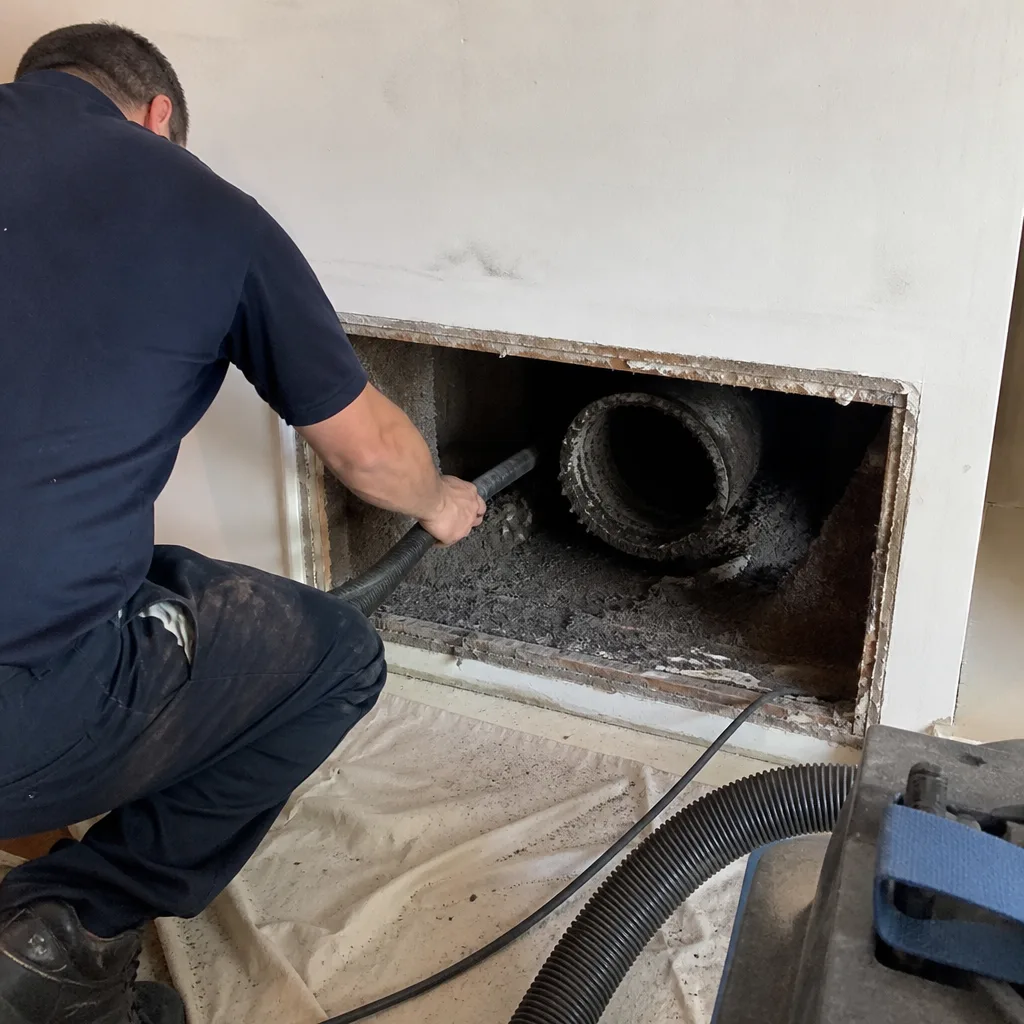 Before
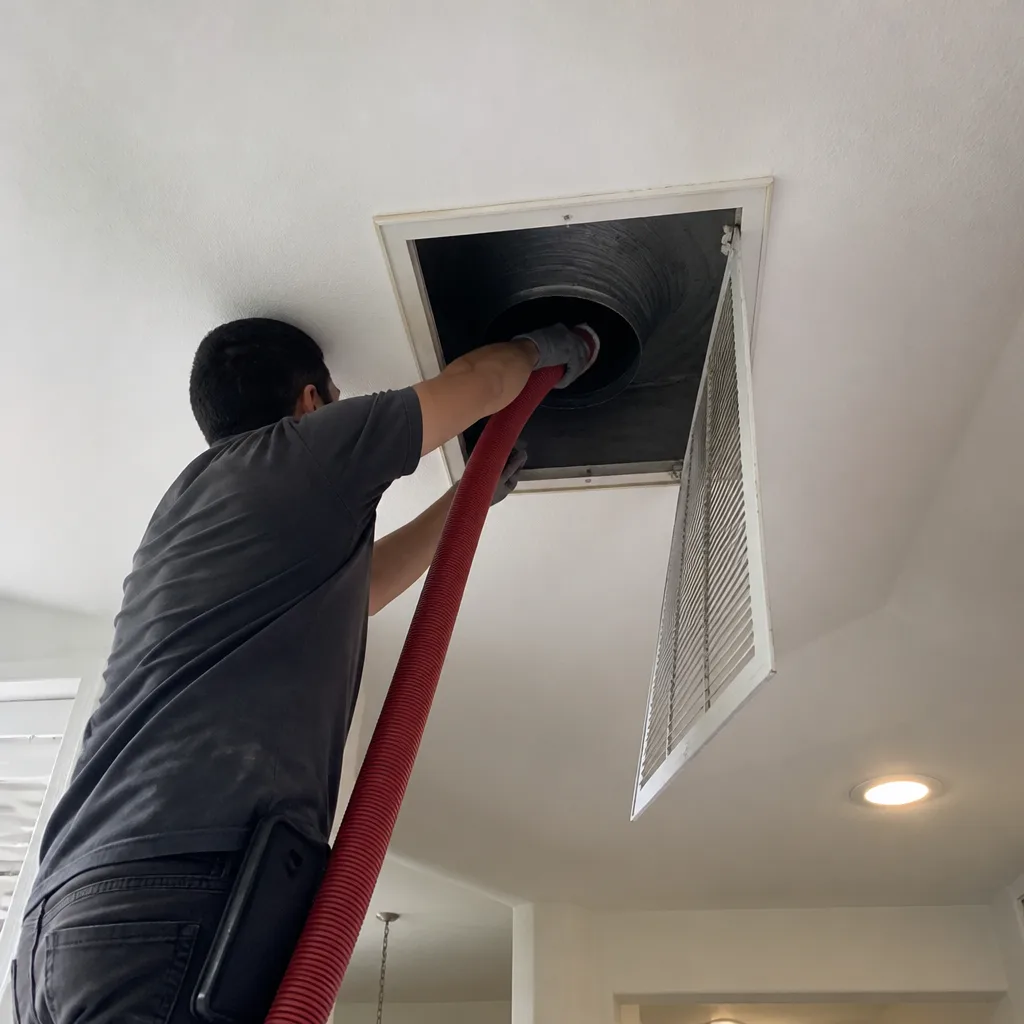 After
After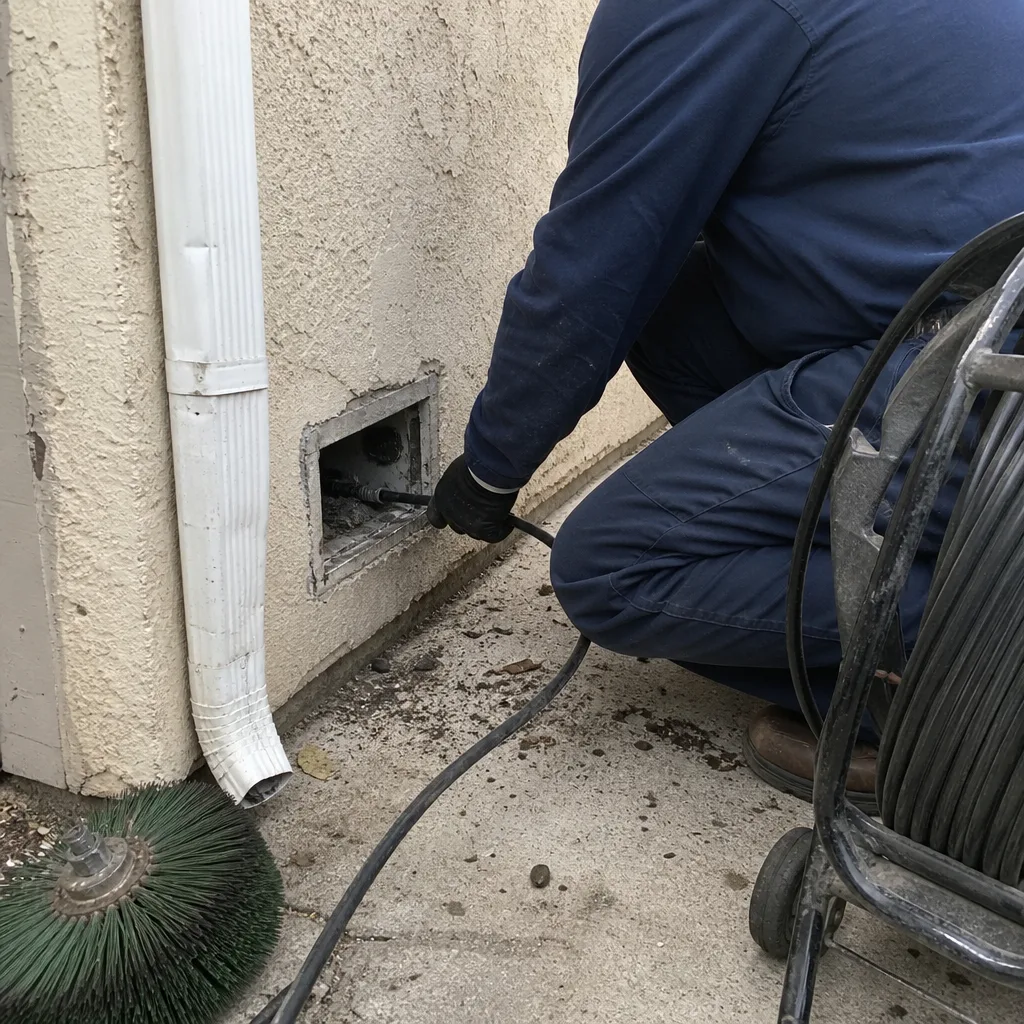 Before
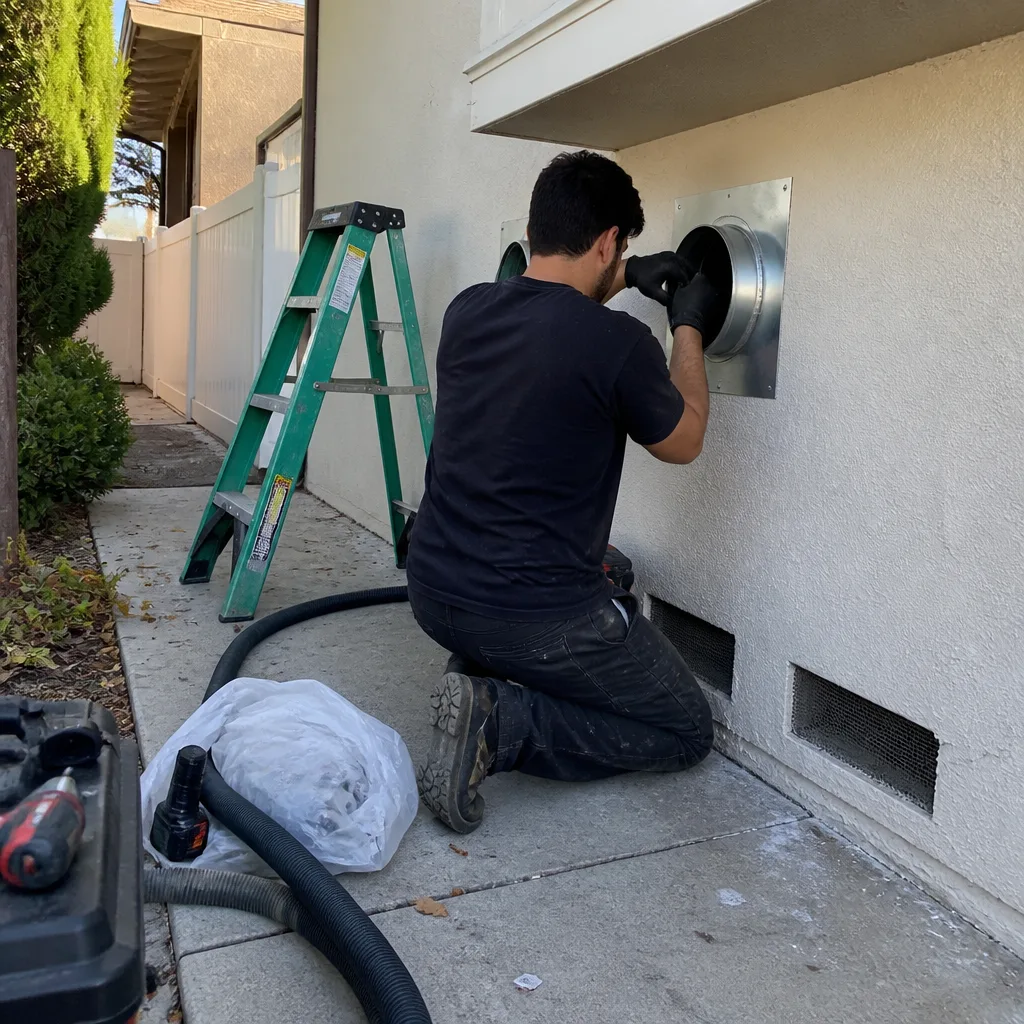 After
After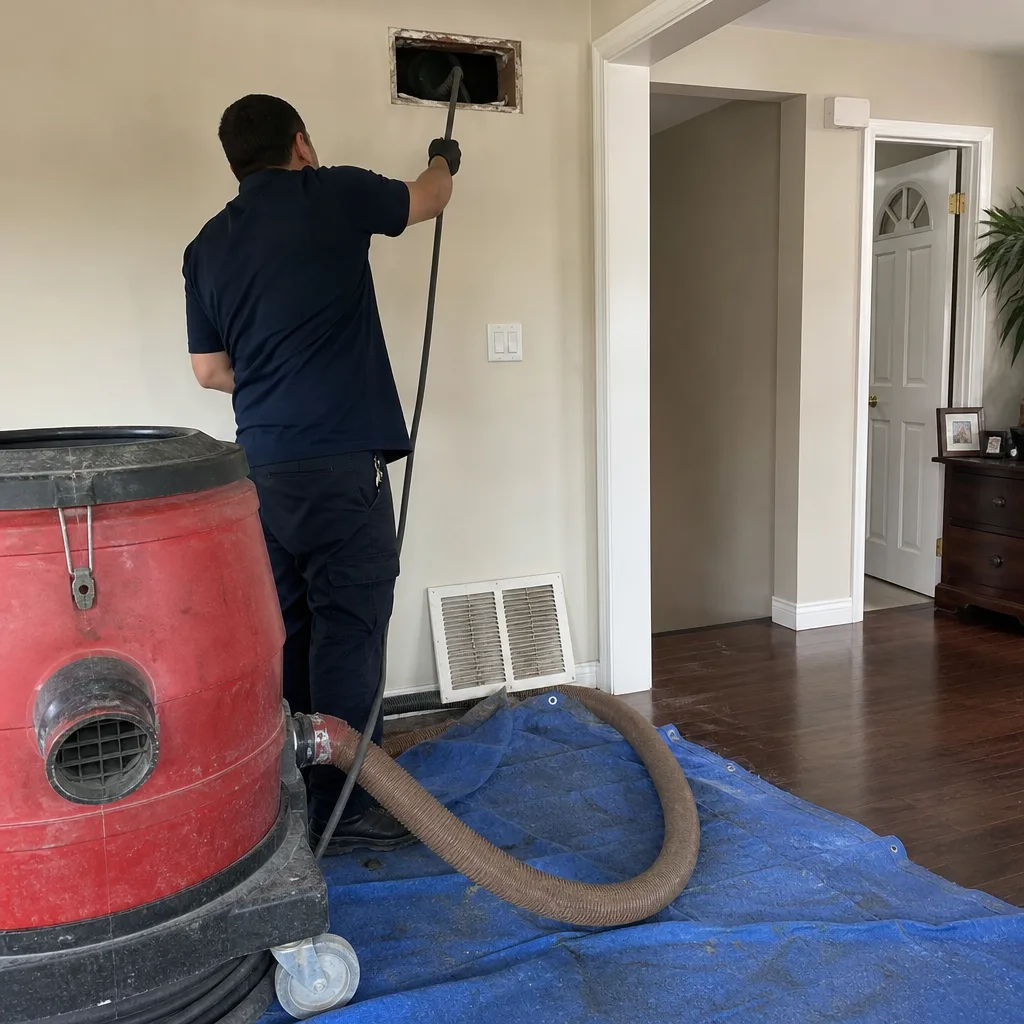 Before
 After
After